Skull & Crown Motif /
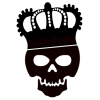
The Skull & Crown Motif in My Work and Logo
The skull and crown motif—sometimes referred to as a memento mori with regalia—is rich with symbolism drawn from art history, religion, esoteric philosophy, and personal transformation.
It’s not intended to be “punk,” gothic, or countercultural. Instead, it speaks quietly and clearly about truth, mortality, and the legacy we leave behind.
The Skull as Memento Mori
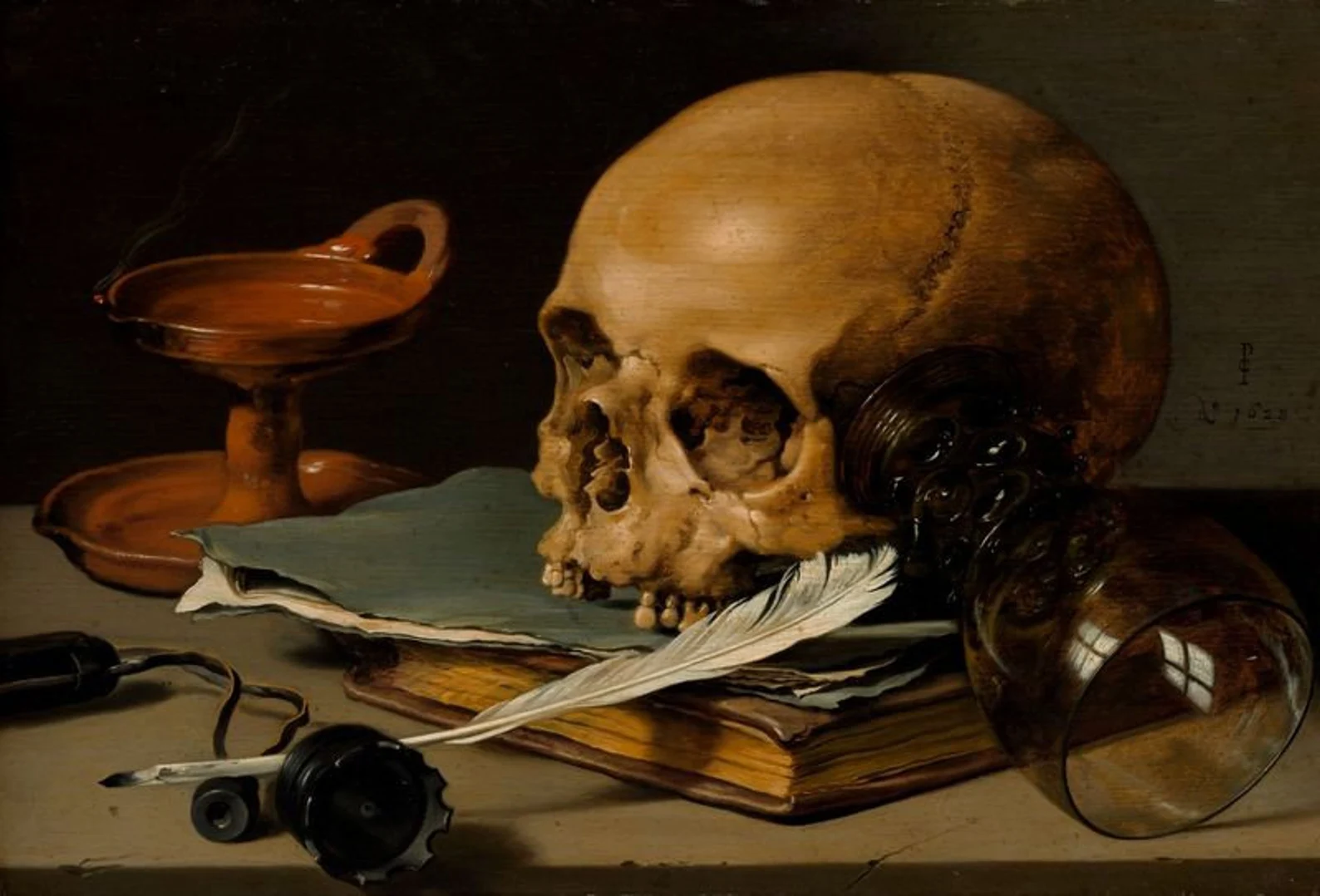
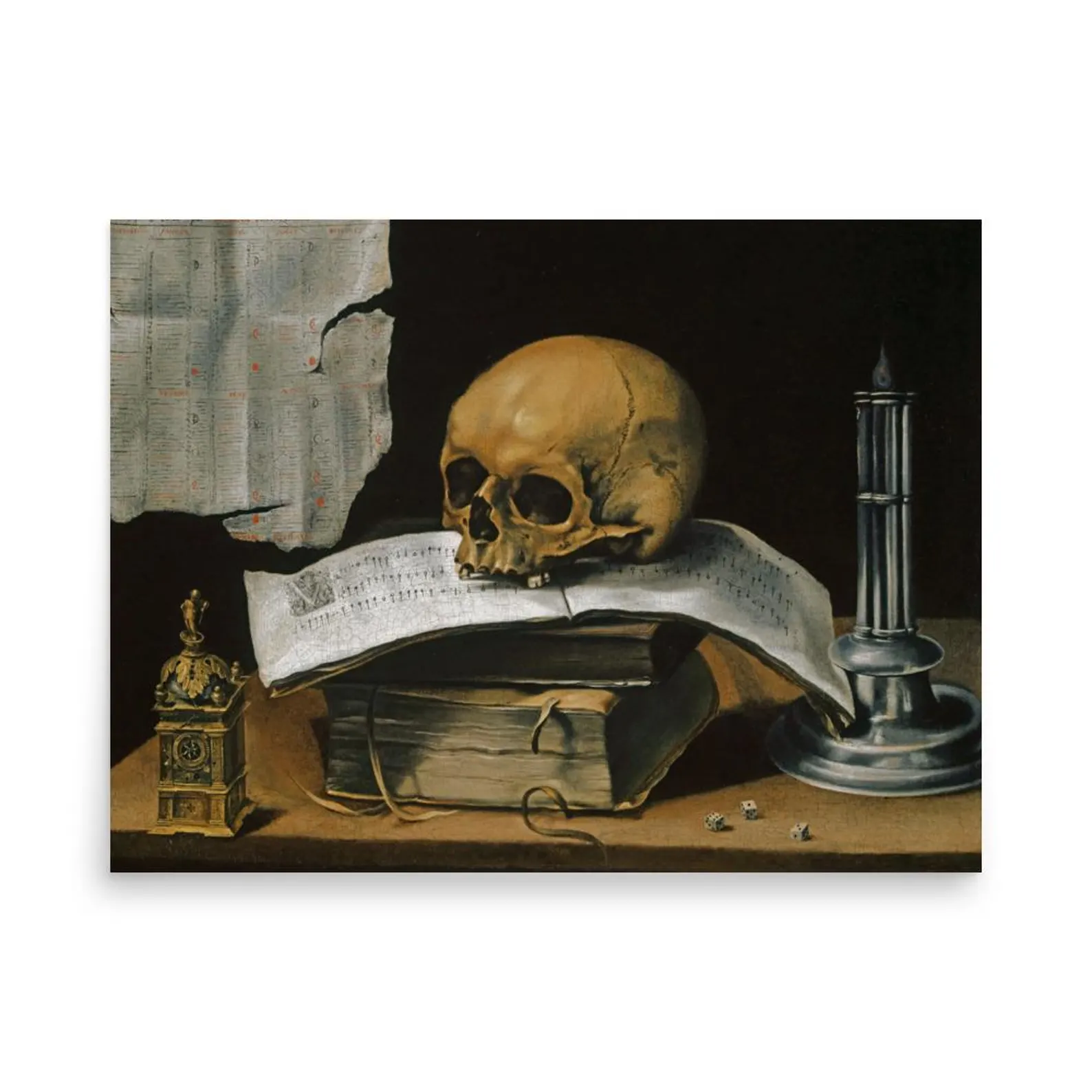
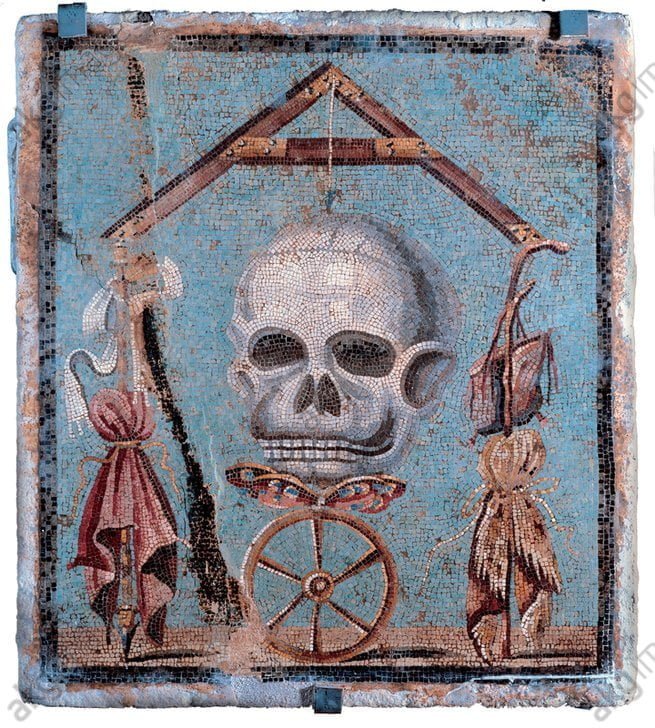
A skull alone is a classical memento mori—a reminder of mortality and the fleeting nature of life. This symbol has deep historical roots, appearing not only in Renaissance and Baroque painting but even earlier in Roman culture. Floor mosaics and wall paintings uncovered in Pompeii, for instance, include depictions of skulls as reminders of the inevitability of death—often positioned beneath symbols of power to emphasise life’s equalising force.
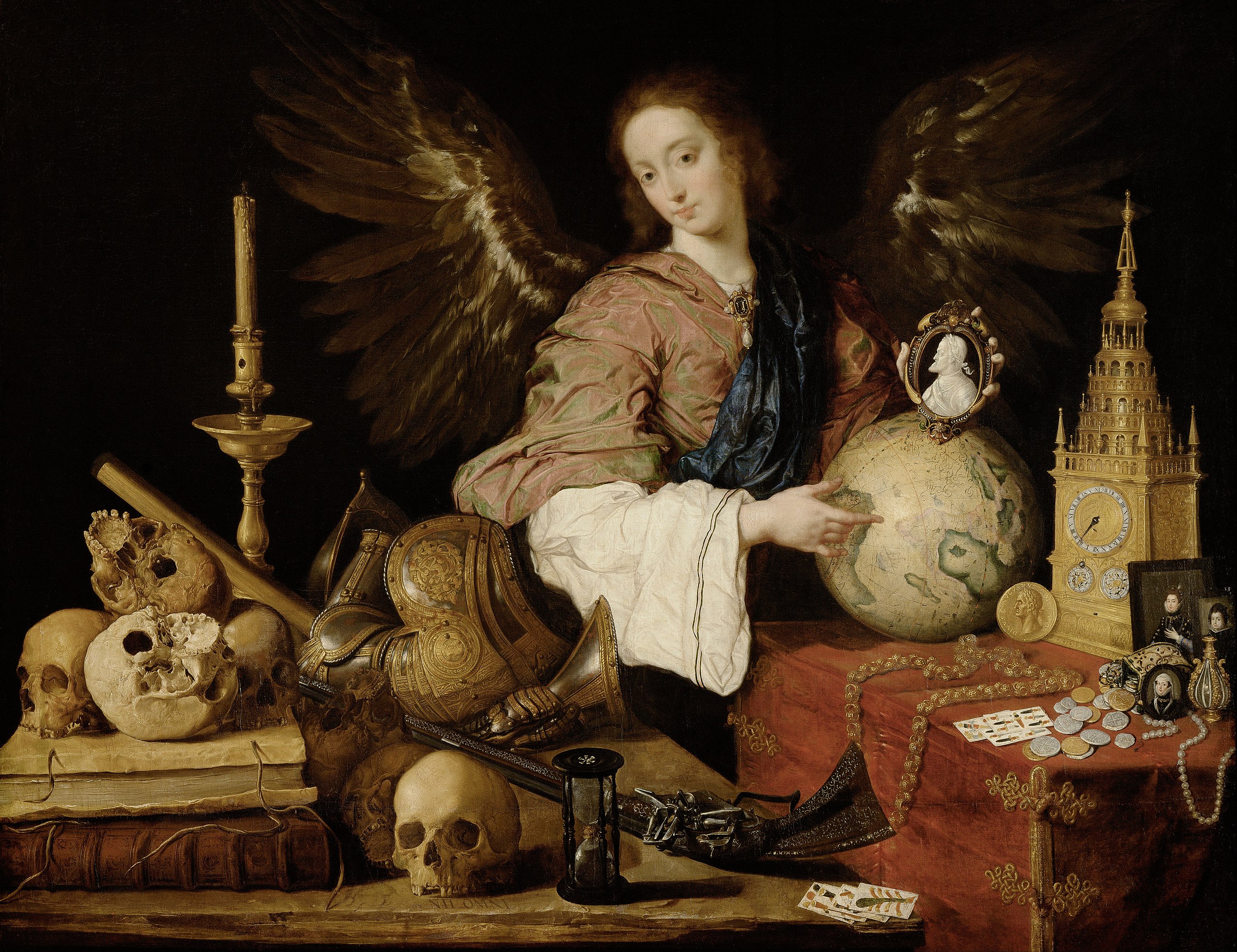
In later centuries, this theme re-emerged in Vanitas paintings, where the skull often sat beside extinguished candles, wilting flowers, or timepieces.
Vanitas—from the Latin for “emptiness” or “vanity”—was a still life genre that emerged in 16th-century Europe and flourished during the Dutch Golden Age of the 17th century. These works were filled with objects symbolising the impermanence of life and the futility of pursuing material wealth or worldly pleasures. At their heart, they encouraged reflection on death and the importance of living with purpose.
The Crown: Ego, Power, and Transformation
Adding a crown to the skull shifts the symbolism. It’s a provocative statement: even kings must die.
Status, power, and ego—all fall away.
In alchemical and Jungian traditions, the crown often represents the ego, the illusion of control, or worldly power. Placing it on a skull inverts that idea. Death dethrones us all—or perhaps true wisdom begins where control ends.
Esoteric and Mythological Layers
In some esoteric systems and secret traditions, the crowned skull symbolises the union of opposites—life and death, spirit and matter. It may also represent rebirth through the acceptance of death, a process akin to individuation or creative transformation.
In My Practice
As part of A Moment’s Existence, the crowned skull represents the dissolution of ego—the moment where identity is stripped back, and what remains is insight, honesty, and depth. It may also reflect the shadow self: fractured, real, and unadorned.
As a recurring motif in my work, it makes a quietly radical statement.
This isn’t about ego, legacy, or surface. It’s about truth.
The crowned skull reminds us that knowledge outlives us—and that wisdom, once earned, is meant to be shared. It’s not a warning.
It’s a calling.
A Symbol of Legacy—Not Loss
In my own practice, it represents the artist or mentor’s responsibility to transform lived experience into something meaningful for others. It marks the point where knowledge, shaped by time and reflection, becomes something to pass on.
This motif is a nod to the cycle of learning, teaching, and letting go.
It’s not about death.
It’s about what we leave behind in others.