

Karthik’s Journey — From India to London
(Mentoring, Materiality, and the Philosophy of Process)
Every so often, someone makes the journey that reminds me why I do what I do.
A few weeks ago, Karthik K Samprathi, a fine art photographer from India, flew to London for two days of one-to-one mentoring at my studio — one day focused on portraiture and lighting, and another dedicated to gum bichromate and cyanotype printing.
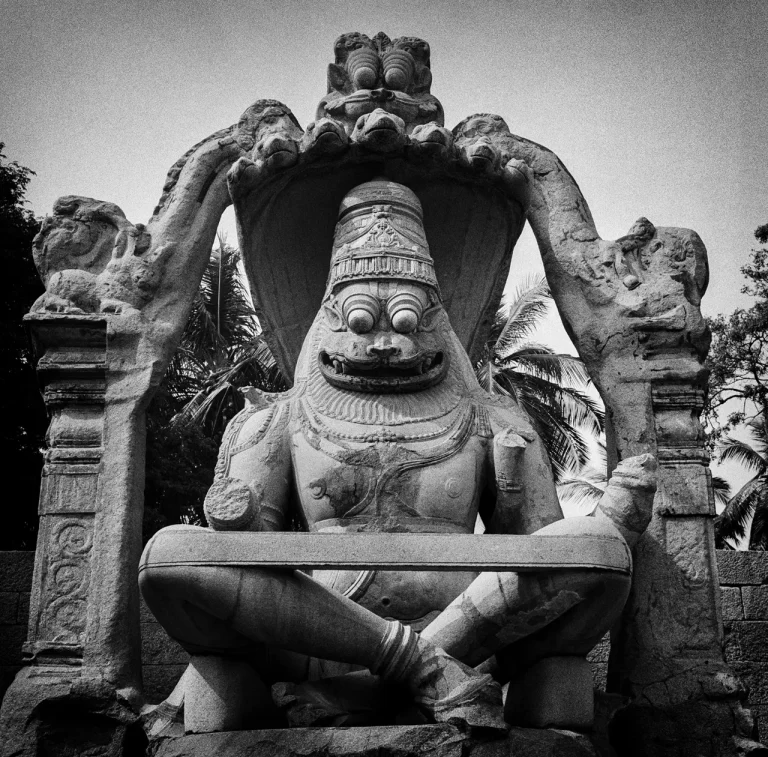
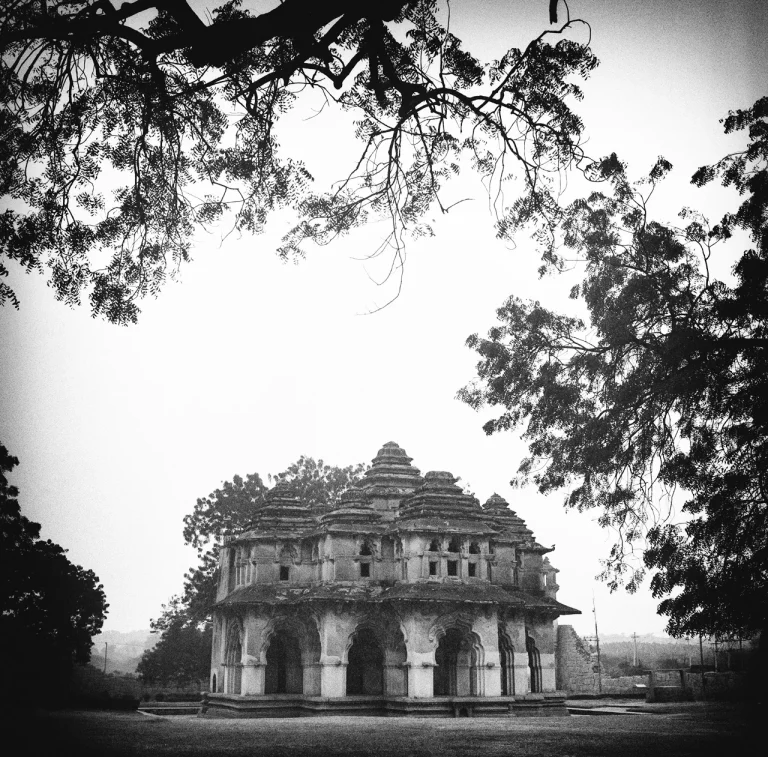
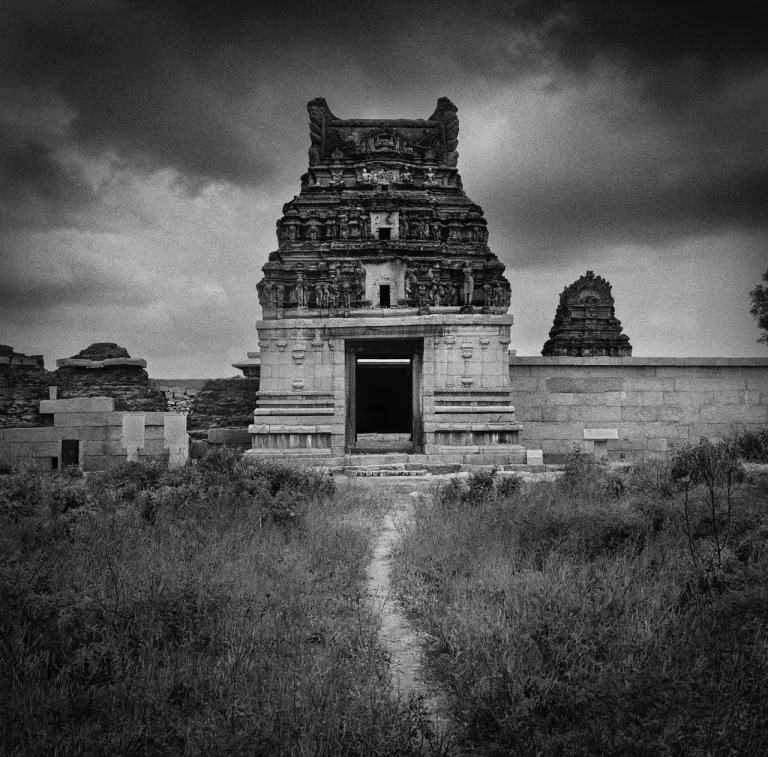
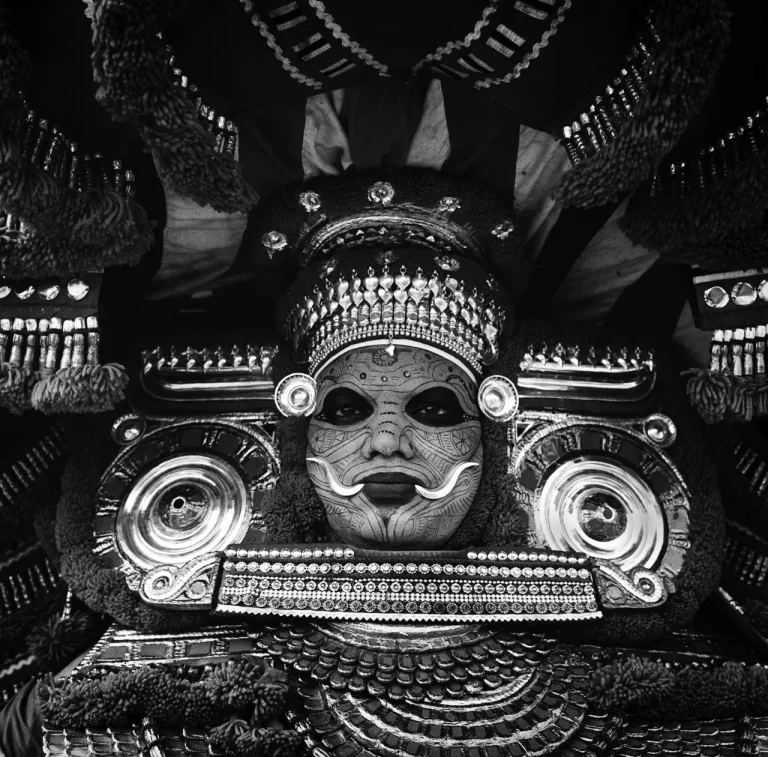
Karthik’s work bridges the tangible and the timeless. Rooted in black-and-white fine art photography, his practice explores the philosophy of life through nature, culture, and heritage — capturing human stories, rituals, and environments that embody creation, transformation, and continuity. His ongoing project on Hampi, the UNESCO World Heritage Site in Karnataka, examines the ruins, temples, and landscape that reflect a civilisation’s spiritual and architectural brilliance — an ideal subject for the texture and tone of hand-coated, alternative printing.
Our first day together explored the subtleties of portrait lighting — how gesture, atmosphere, and tone can alter presence within an image. The following day we moved into the darkroom, layering pigment and light through the gum bichromate process, and experimenting with cyanotype and toned cyanotype printing. The earthy palette of the toned cyanotypes resonated beautifully with the ancient stillness of Hampi — echoing both its fragility and endurance.
Then came an unexpected twist of timing and place. Just around the corner from my studio, photographer David George and curator Zelda Cheatle were installing Wonderland – The Joy of Analogue Photography, 1955–1995, a landmark exhibition celebrating the timeless power of analogue photography. The show brought together original prints by Sebastião Salgado, Nan Goldin, Duane Michals, David Bailey, and Andy Warhol — a rare glimpse into the golden age of portraiture.
By sheer luck, I was able to introduce Karthik to Zelda and David, who kindly invited him to preview Wonderland before it opened. They even signed his copy of the Squaring the Circles RPS publication — a fitting end to a week steeped in photographic craft, generosity, and synchronicity.
For me, teaching these processes is as much about dialogue as it is about technique — the shared curiosity and cross-cultural exchange that keeps analogue practice alive. Artists like Karthik remind me that the camera, chemistry, and hand-made print are still vital tools for thinking about time, presence, and transformation.
Below is our conversation, part reflection and part exchange, exploring the philosophy of process, the patience of analogue craft, and the enduring magic of photography made by hand.
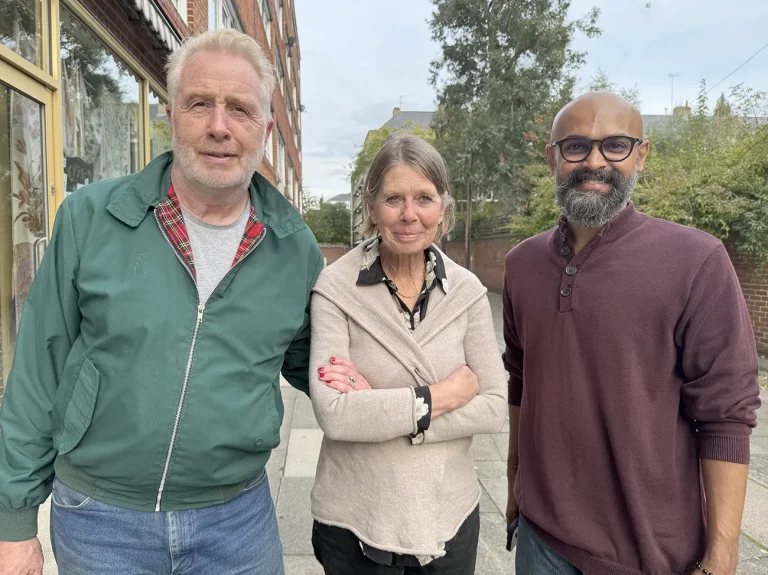
Q&A: In Conversation with Karthik K Samprathi
IPM: What made you decide to travel from India to London for one-to-one mentoring and analogue printing sessions?
KKS: Travelling from India to London was part of a personal quest. I’ve always believed that learning happens best when one steps out of familiar spaces. I wanted to refine my understanding of alternative printing — especially the relationship between material process and the philosophical depth that defines my work. The idea was to explore how hand-crafted processes could further align with the spiritual essence I seek in my photography.
IPM: Your photography is described as exploring the philosophy of life through nature, culture, and heritage. How do those ideas guide the way you see and photograph the world?
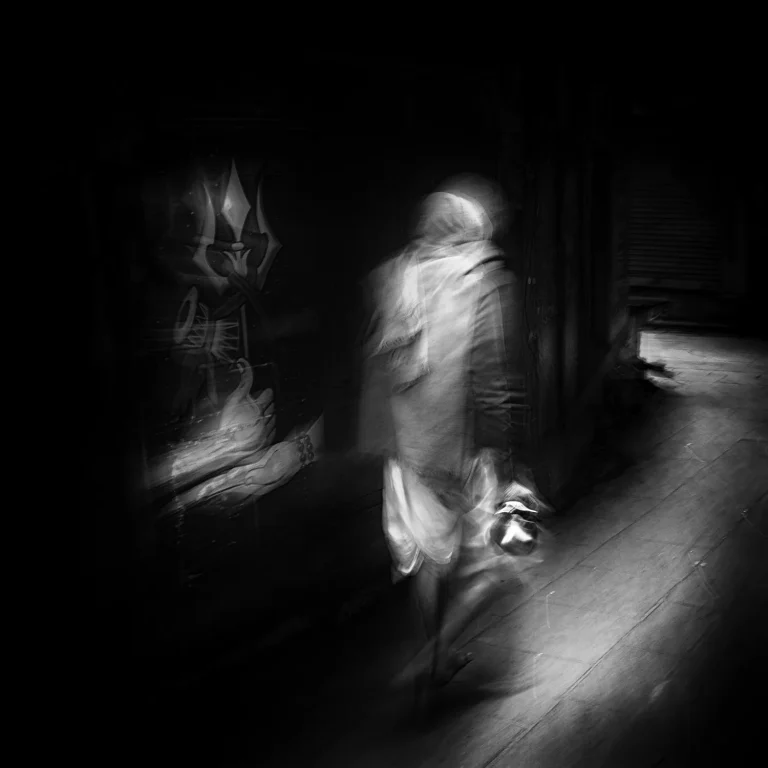
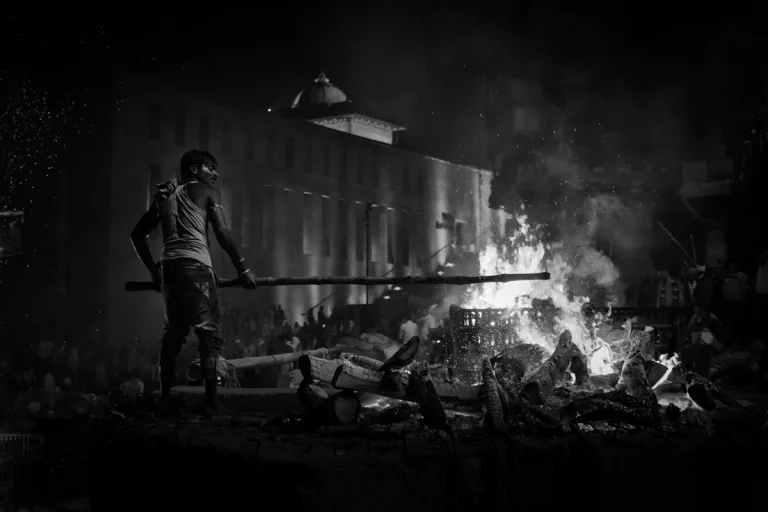
KKS: For me, photography is a form of reflection — a way to contemplate life’s impermanence, continuity, and transformation. Whether I’m photographing the ruins of Hampi, the rituals of Varanasi, or the quiet growth of nature, I see everything as part of one continuous flow. Much like the life of a flower — from bud to bloom, and then to wither — human life too moves through its own cycles of becoming and fading. Yet, even in what seems like an end, there is renewal, a persistence of spirit. Through black-and-white, I try to distill the noise and reveal that essence — where culture, nature, and time meet in stillness.
IPM: Tell us about your ongoing Hampi project — what first drew you to it, and what it represents to you both personally and artistically.
KKS: Hampi, once ruled by the greatest of the Kings, was the capital of the Vijayanagara Empire and now a UNESCO World Heritage Site, is more than a landscape to me. Since 2013, I’ve spent months living among its people, listening to their stories, and walking its silent paths. The temples, boulders and the spaces between them speak of creation, glory, and decay — yet what endures is a continuity of renewal. Through this ongoing project, I’ve sought to translate that philosophical depth into visual form — presenting Hampi not as a ruin, but as a breathing entity that continues to evolve. Using both analog and digital tools, and printing through historic processes such as cyanotype, platinum-palladium, and contemporary inkjet techniques, I try to connect photography’s evolution with Hampi’s own continuum.
IPM: You’ve worked primarily with analogue photography for some time now. What continues to draw you to it — the physical process, the discipline, or something more philosophical?
KKS: Analogue processes resonate deeply with my way of seeing. There’s patience, discipline, and humility in working with hands, chemicals, and light. The process mirrors life itself — imperfect, unpredictable, yet profoundly rewarding. It keeps me grounded in the tangible, reminding me that every image is a slow dialogue between intention and surrender.
IPM: During your time here, we covered portrait lighting, gum printing, and cyanotype (including toning). Was there a moment in the process that surprised you — something that shifted your understanding of image-making?
KKS: The most meaningful moment was discovering how calibrated precision and creative spontaneity coexist in the printing process. Your systematic approach to printing opened a new dimension for me. It reminded me that control and chaos are not opposites, but complementary forces in both art and life.
IPM: When we began experimenting with toned cyanotypes, you mentioned how they seemed to fit your Hampi series beautifully. What about those tones and textures felt right for the work?
KKS: When we began experimenting with toned cyanotypes, I felt an instant connection with my Hampi series. The shift from Prussian blue to aged, earthy tones carried a sense of time suspended — not past, not present. The tea and coffee toning, while one brought deeper browns and warmth enhancing the textures of boulders and temple walls, the other produced gentler greys and muted browns, bringing a subtle depth to skies and stone surfaces. These variations revealed another way of seeing Hampi.
IPM: You had a wonderful bit of luck while you were here — meeting Zelda Cheatle and David George as they were installing Wonderland – The Joy of Analogue Photography. How did that experience feel?
KKS: Meeting Zelda Cheatle and David George, and seeing Wonderland before its opening, was a rare and beautiful coincidence. Thanks to you for making this possible. It felt as though my journey had come full circle — from learning traditional craft to standing amidst the legacy of masters. It reaffirmed my belief that photography transcends generations — it’s a shared language of wonder. I loved the book and the gesture of all three of you signing it for me.
IPM: Looking ahead, how do you see analogue and alternative processes fitting into your future work?
KKS: I will continue working with hand-coated processes like toned cyanotypes and platinum-palladium across my projects. My upcoming Hampi and Varanasi books will explore the spiritual and cultural essence of these places, while my commercial portrait work (Black and White Baba) combines traditional and contemporary techniques. I also plan to exhibit my work in London galleries and the Nehru Centre in 2026, sharing these explorations with a broader audience.
IPM: Finally, if you had to summarise what you took away from these two days — both as a photographer and as a person — what would it be?
KKS: These two days taught me far more than technique — they reinforced curiosity, generosity, and shared learning. Your portrait photography guidance was clear and approachable, breaking complex ideas into simple, practical steps. Every question — about lighting, printing, or process — was met with patience and insight. I would highly recommend learning from you because your approach is not just to teach, but to share — an exchange that’s both personal and profound.
Closing reflection
Working with artists like Karthik reaffirms why I continue to teach and share these historical processes. The craft of analogue photography — whether through gum bichromate, cyanotype, or salt printing — is more than a technique; it’s a way of thinking and seeing. Each workshop becomes its own collaboration, an exploration of both image and meaning.
If you’re interested in learning gum bichromate, cyanotype, or salt printing, or would like to book a one-to-one mentoring session in my London studio, you’ll find full details on the Mentoring Page
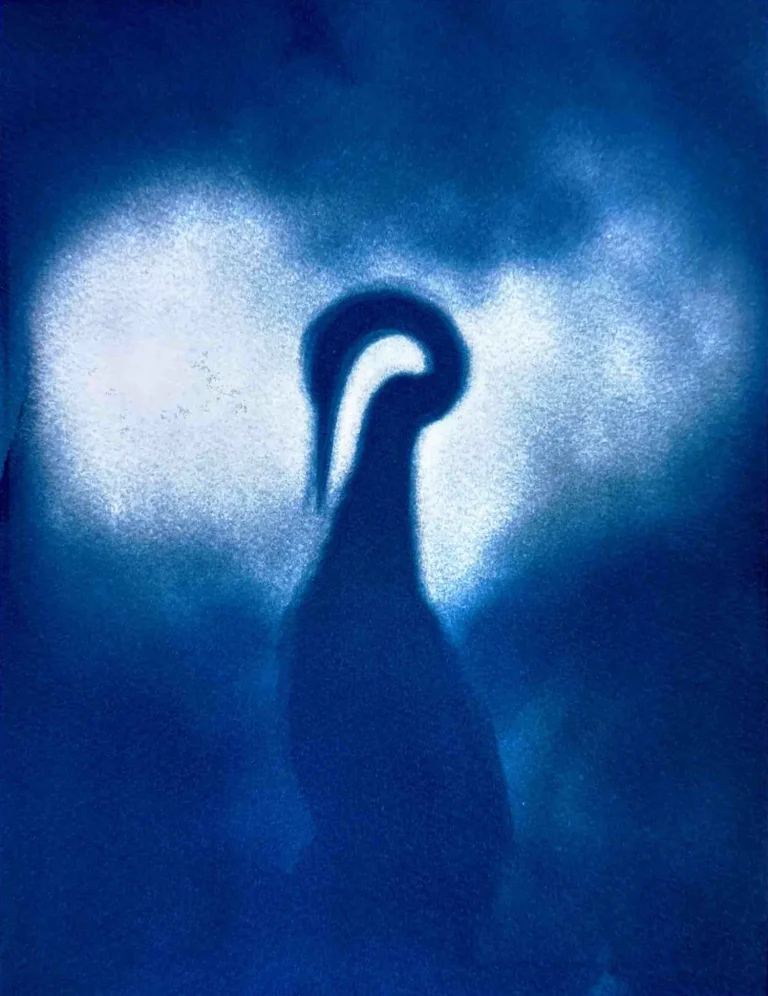
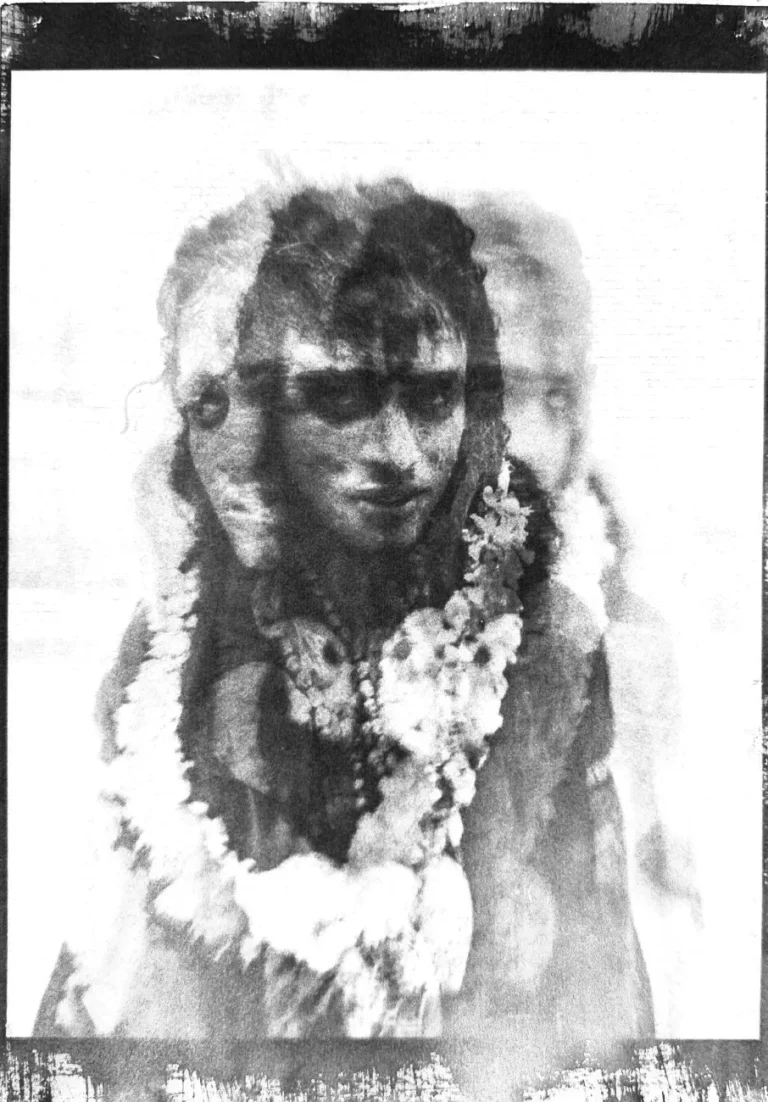
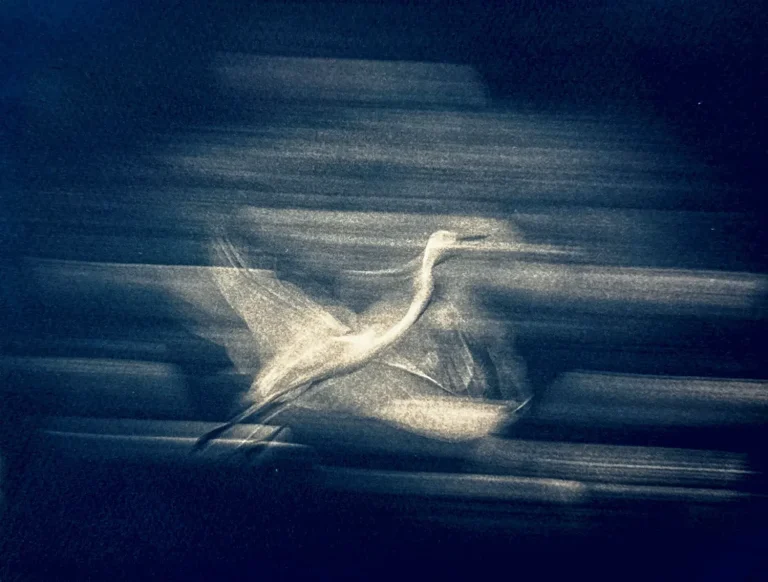
Below ⤵︎ are some of the prints Karthik created during our session.
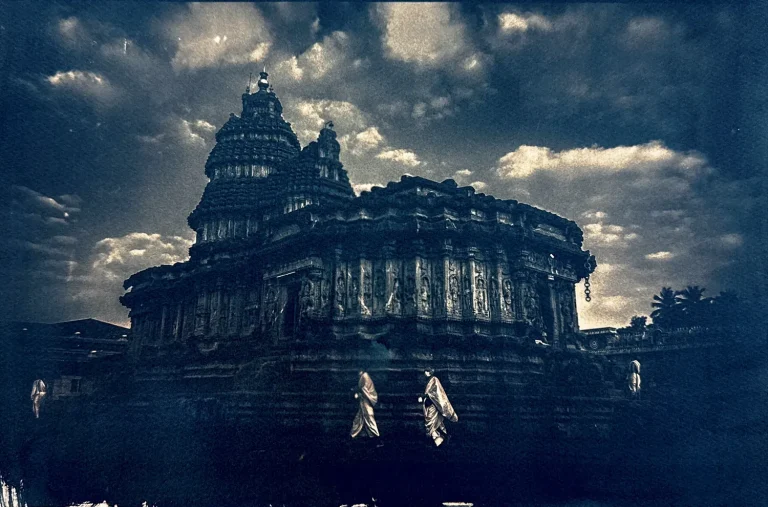
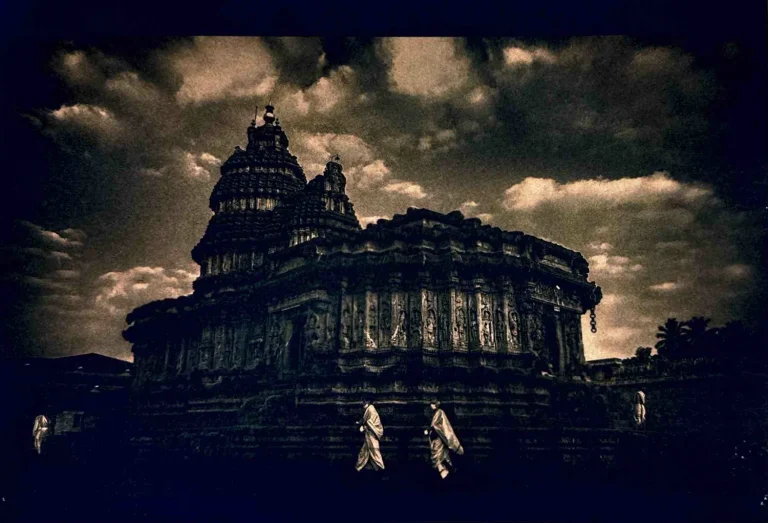
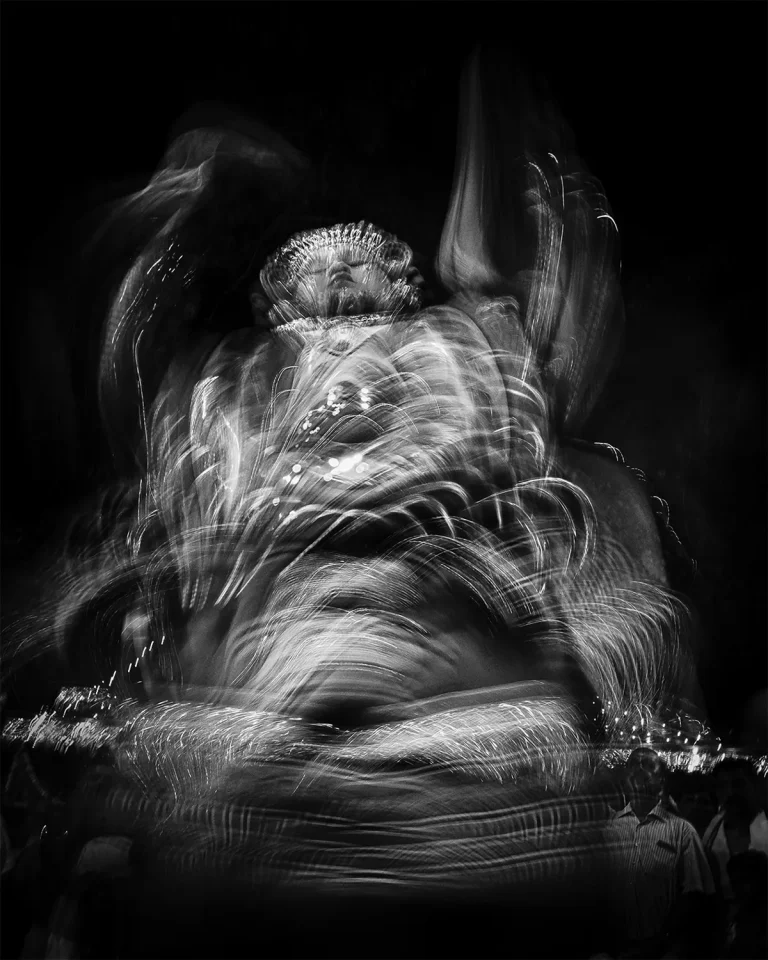
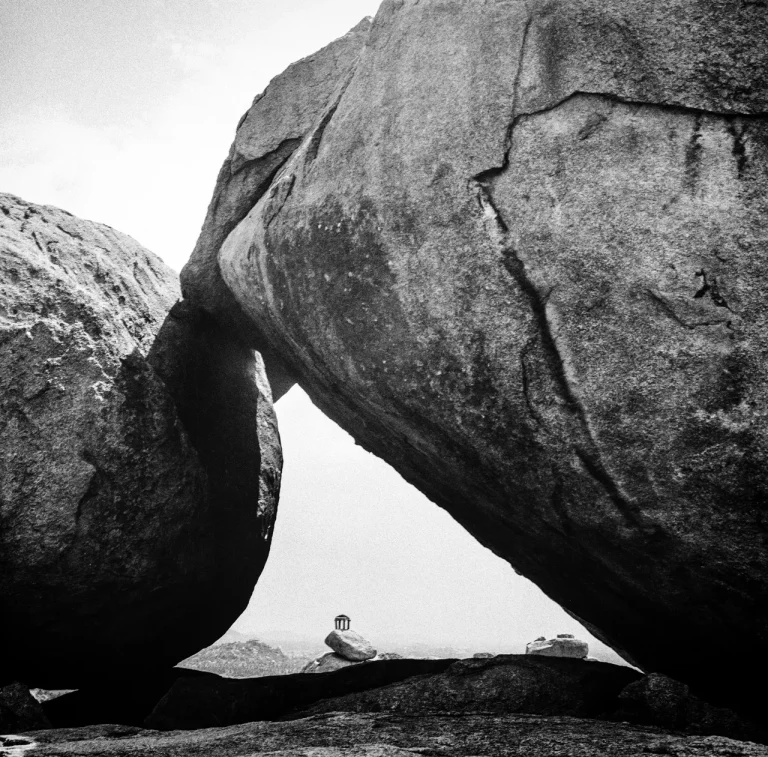
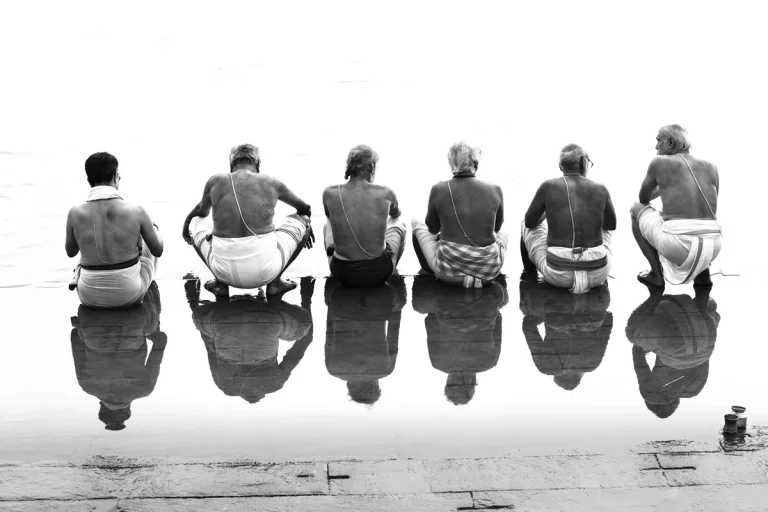
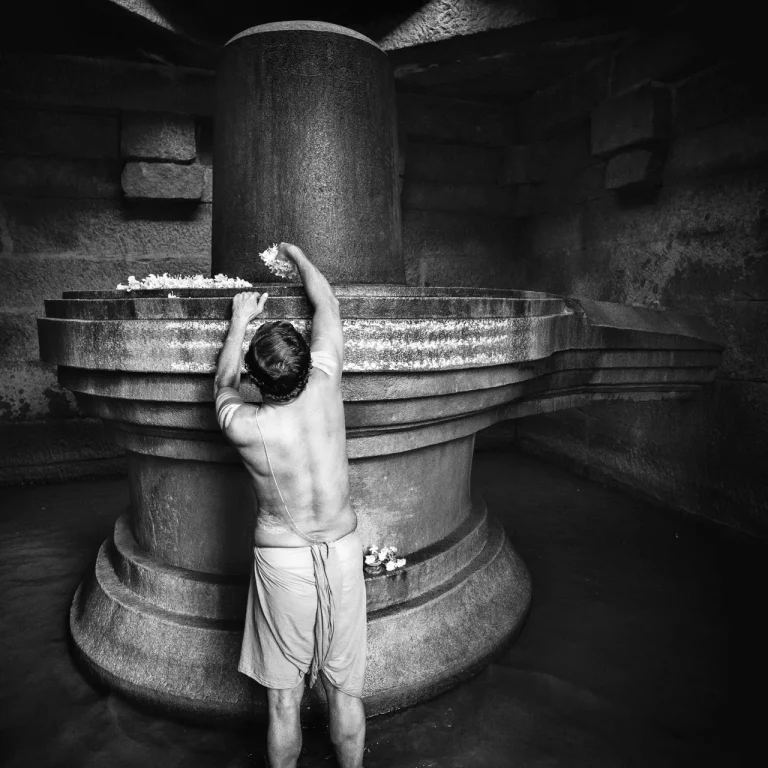
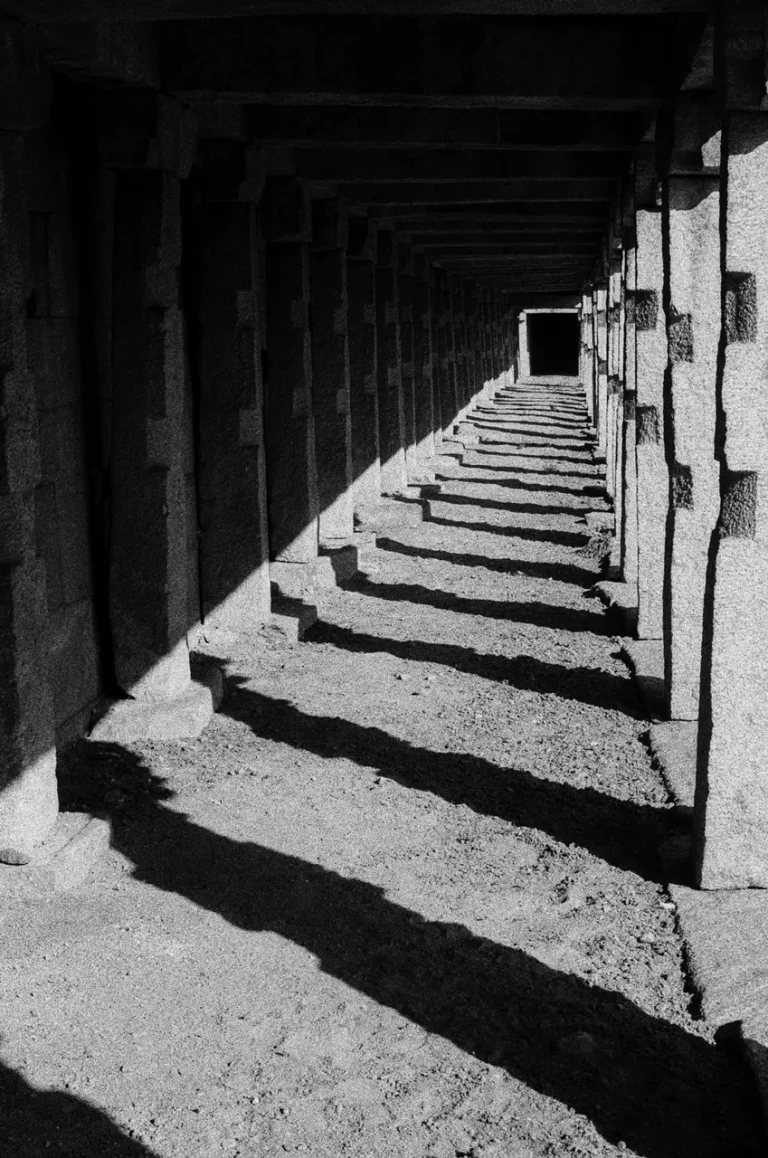
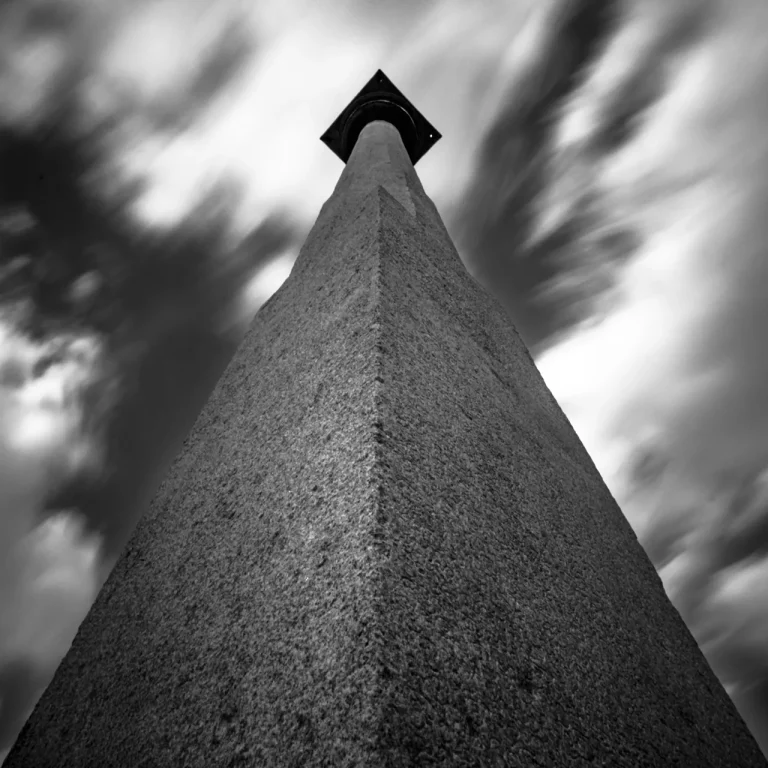
Below ⤵︎ are images from Karthik’s Hampi series — where stone, silence and time whisper of ritual and renewal.
You can see more of Karthiks work here ↗
and on instagram @karthik.samprathi
Related Field Notes
If you enjoyed this story, you might also like:
Elizabeth Zeschin — The Art of Gum Printing (coming soon)
Award-winning photographer Elizabeth Zeschin joined me for a two-day session exploring gum bichromate printing, working from 10×8 negatives to create layered, painterly prints.Blair — Cyanotypes on Cotton (coming soon)
Student artist Blair returned to the studio for her fifth session, creating large cyanotypes on cotton sheets for her upcoming exhibition.