

Cyanotype Workshops in Hackney, London /
With over 35 years’ experience as a professional photographer, and as a lecturer at London Metropolitan University and Cambridge School of Art, I offer workshops that balance technical craft with creative experimentation.
These workshops combine traditional methods with contemporary, expressive approaches — perfect for beginners, artists, and photographers wanting to explore one of photography’s most iconic alternative processes.
over 35 years’ experience
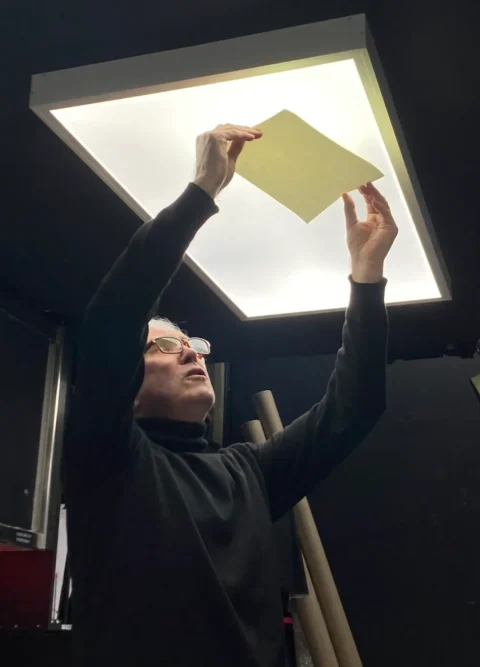
Why Learn with Ian
Professional Recognition
Featured in international exhibitions and publications including Studies in Photography (12-page artist feature), The Lancashire Times, and Artist & Arists book by AlternativePhotography.com.Flexible learning
Studio-based in Hackney or online with multi-camera demonstrations.
Individual Focus
Tailored feedback in small-group or one-to-one sessions.Creative depth
From classic cyanotypes to digital negatives, toning, and layering
What You’ll Learn
Cyanotype workshops are designed for anyone curious about hands-on photography, from beginners to practicing artists.
Cyanotype Basics
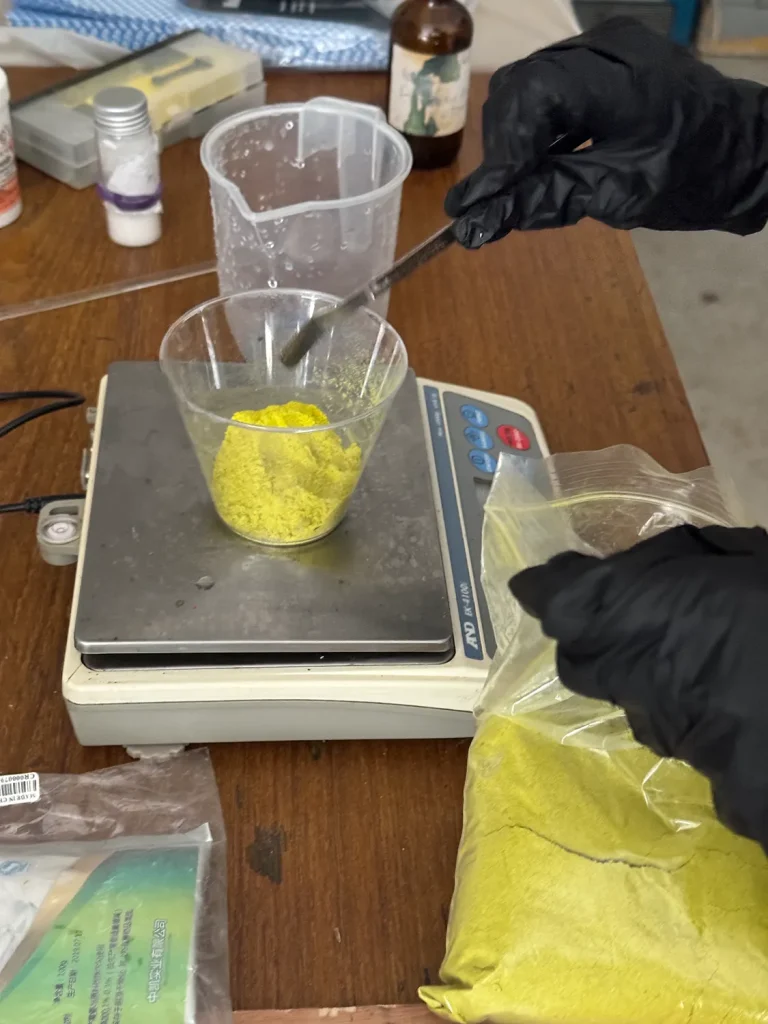
Mixing ferric ammonium citrate and potassium ferricyanide for hand-coated papersExposure Techniques
Working with sunlight, UV units, and everyday materials.Digital Negatives
Preparing files for precise photographic outcomes.
Surfaces & Papers
Choosing and preparing papers, textiles, and alternative.Tonal Control
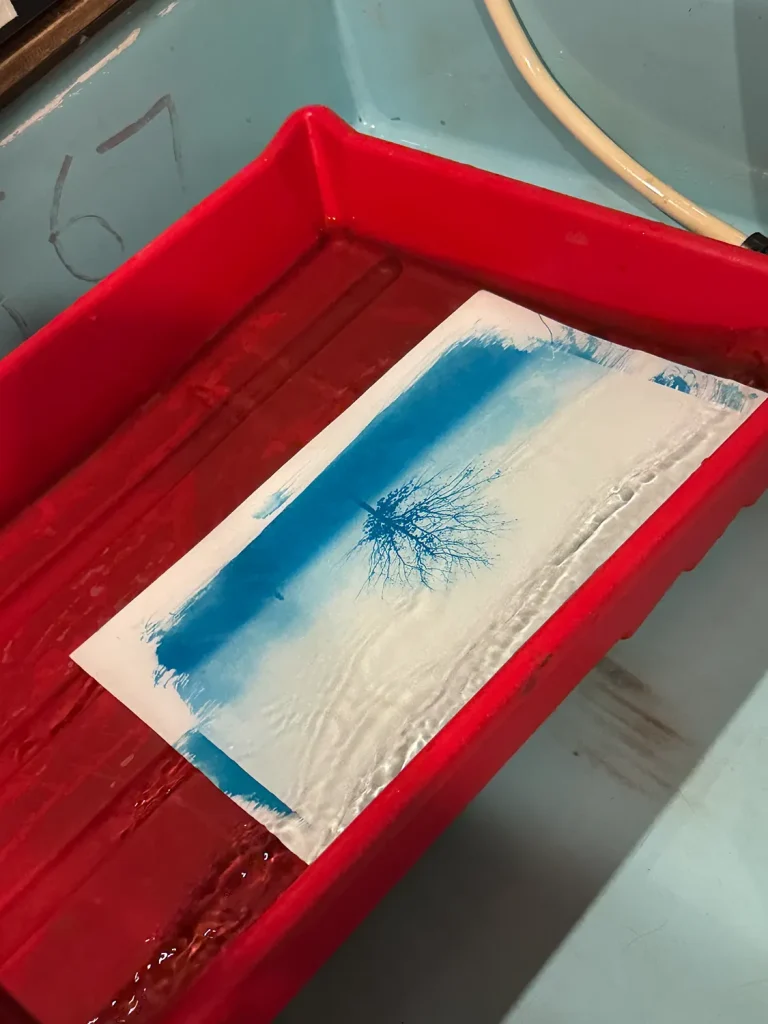
Washing, bleaching, and natural toning with tea, coffee, and tannin.Creative Play
Layering objects, stencils, painting, or collage for expressive results.
“Just so you know, today’s workshop was outstanding, we all really really enjoyed it. Thank you for this opportunity!”
— Marek Poradowski, Photography student, London Metropolitan University
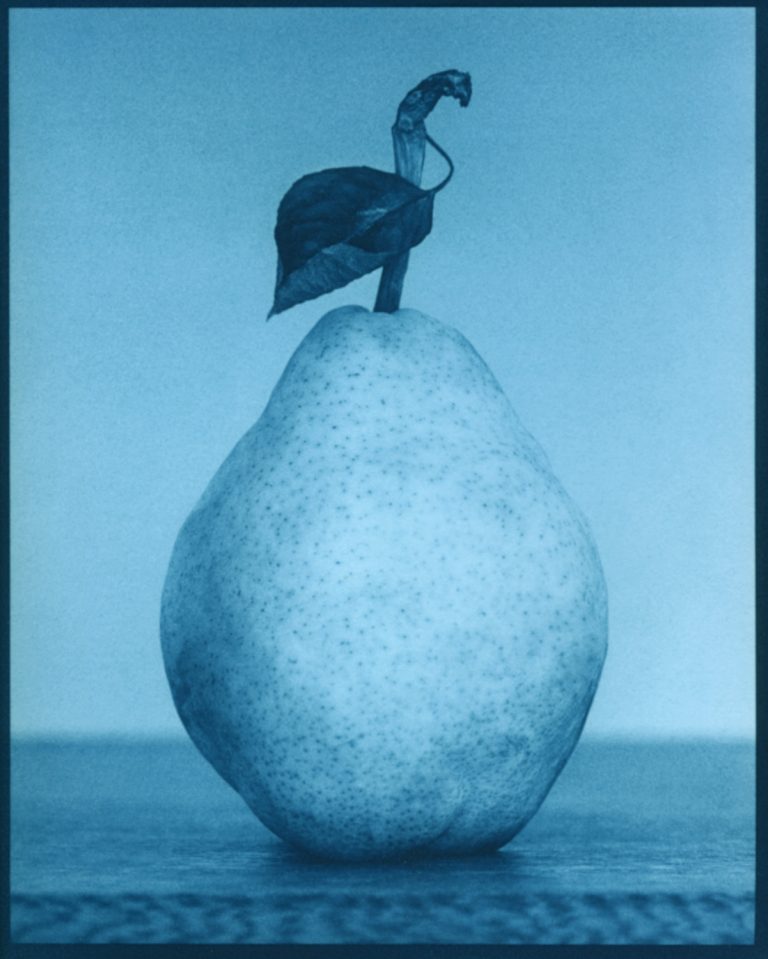
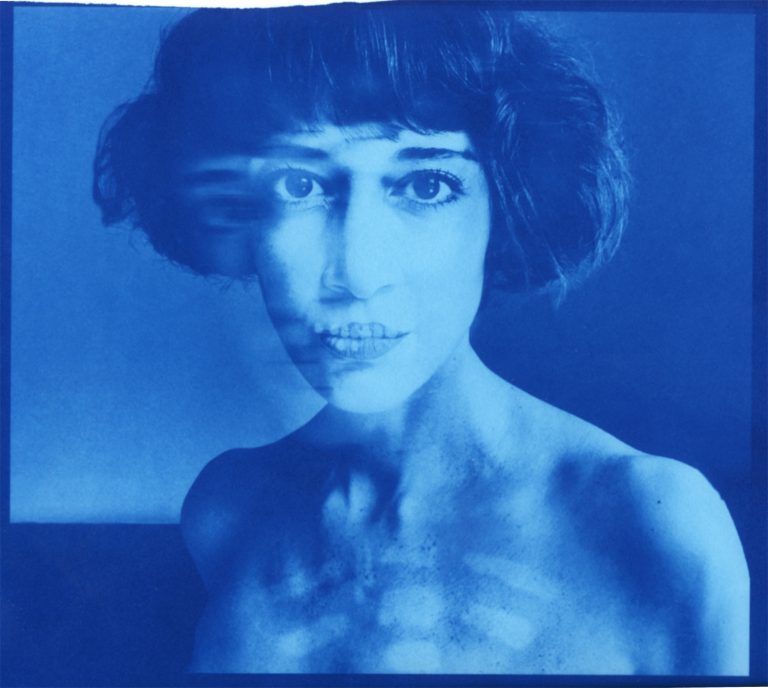
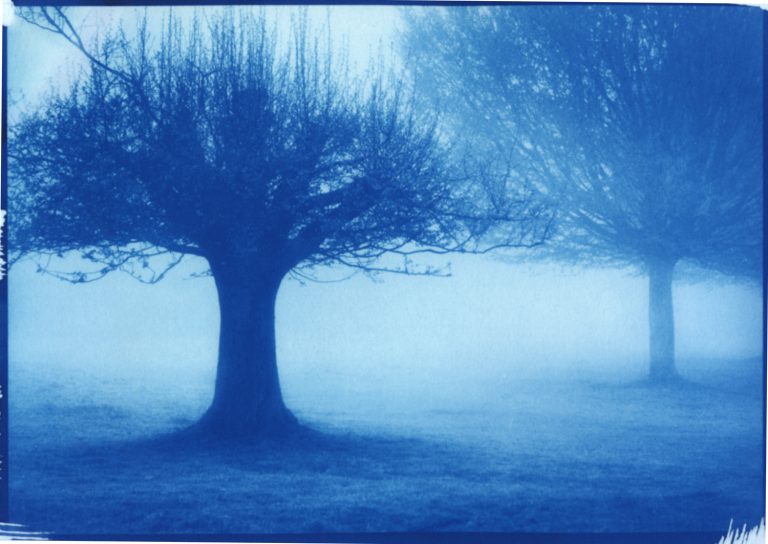
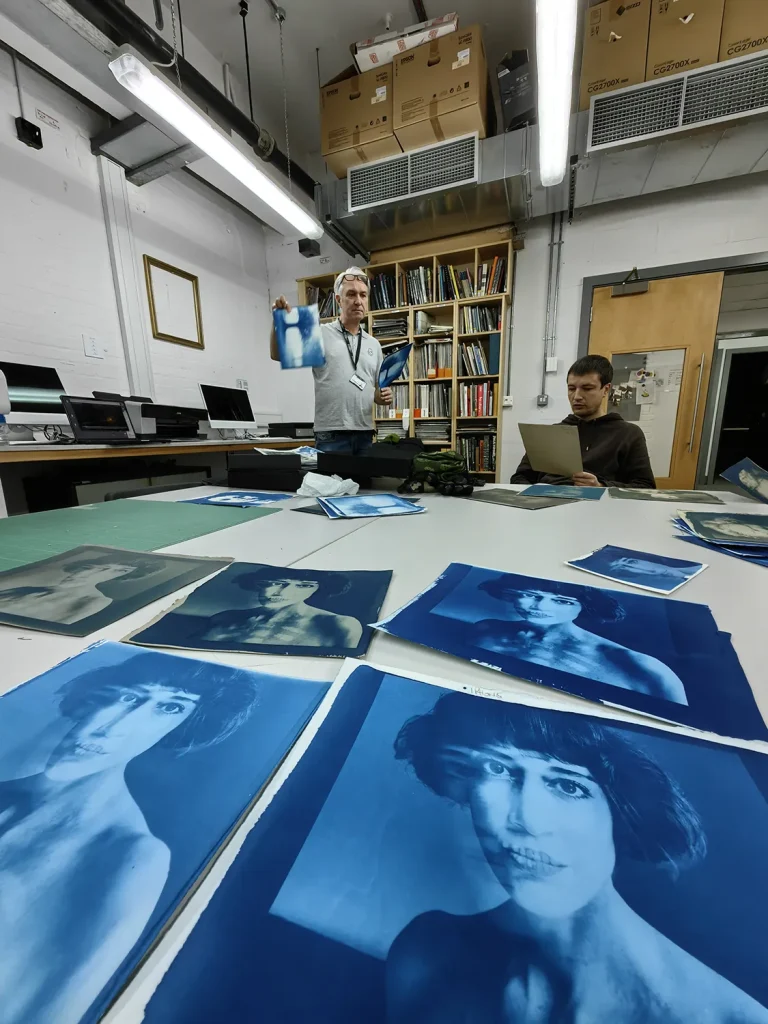
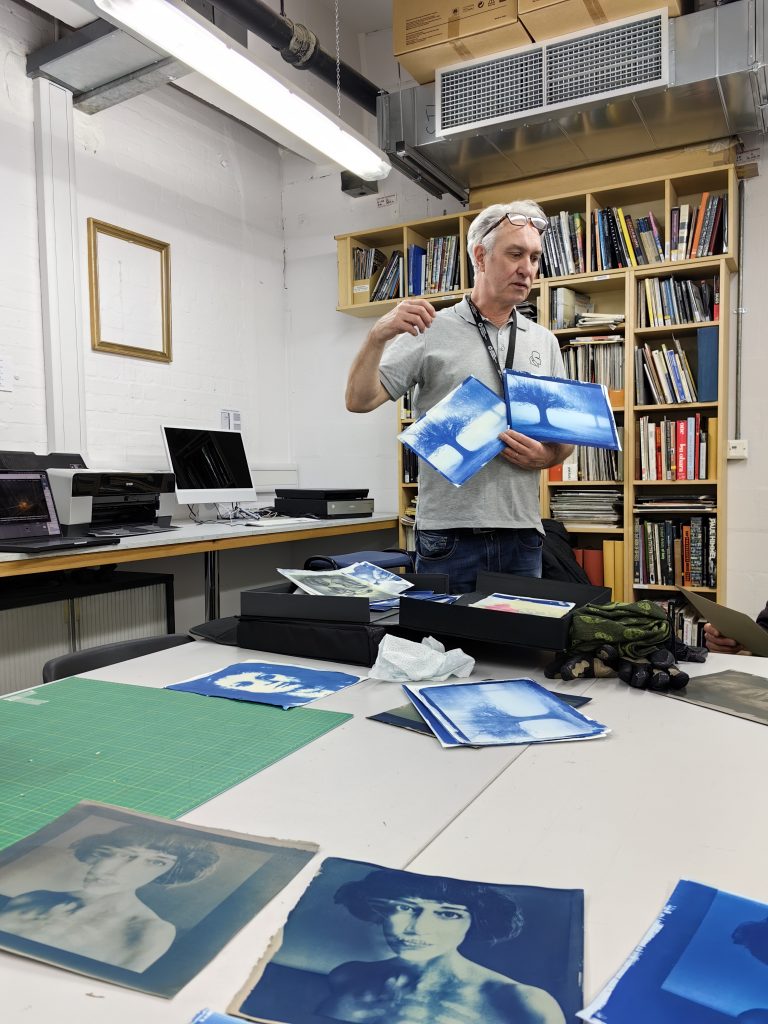
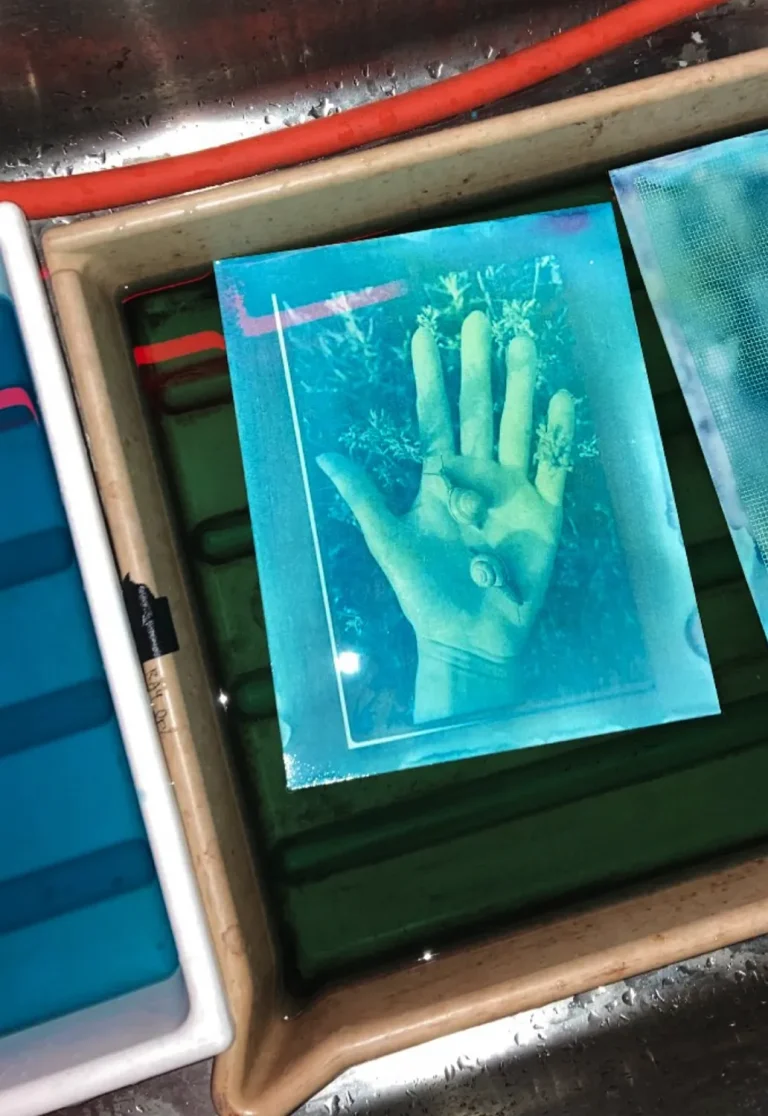
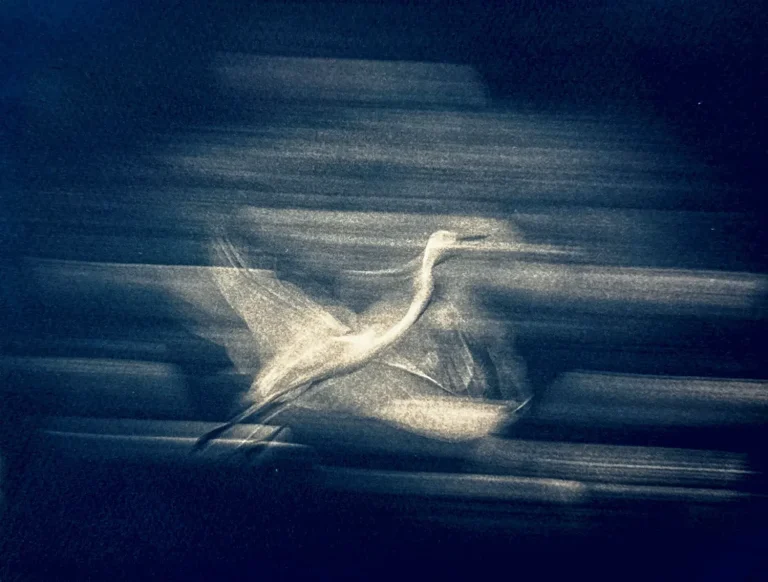
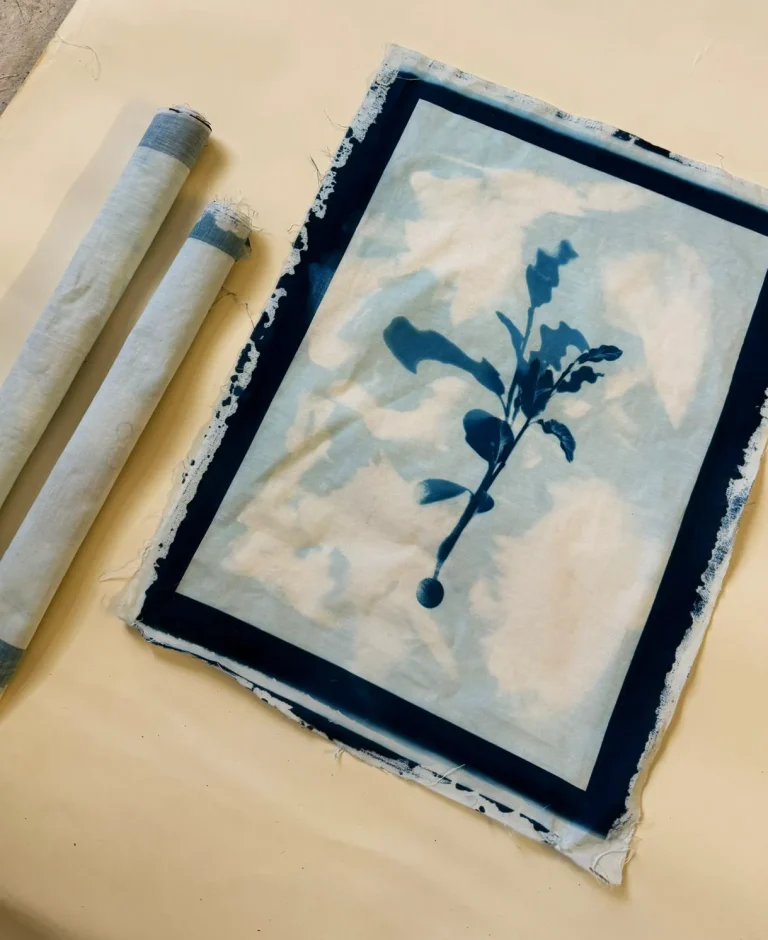
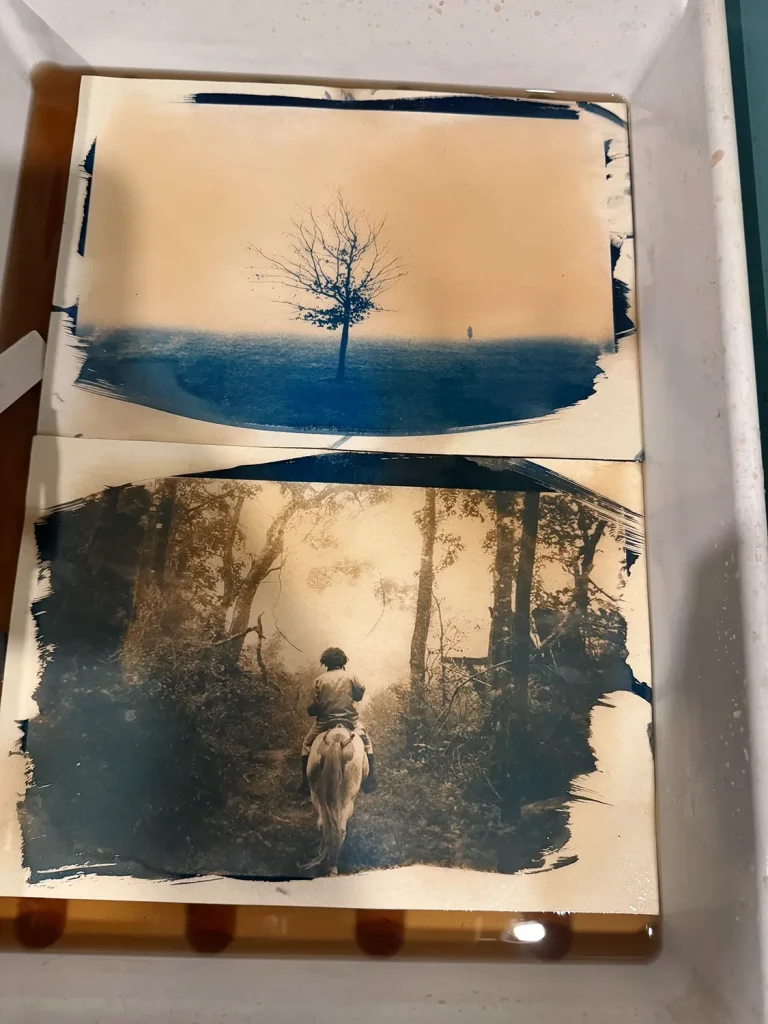
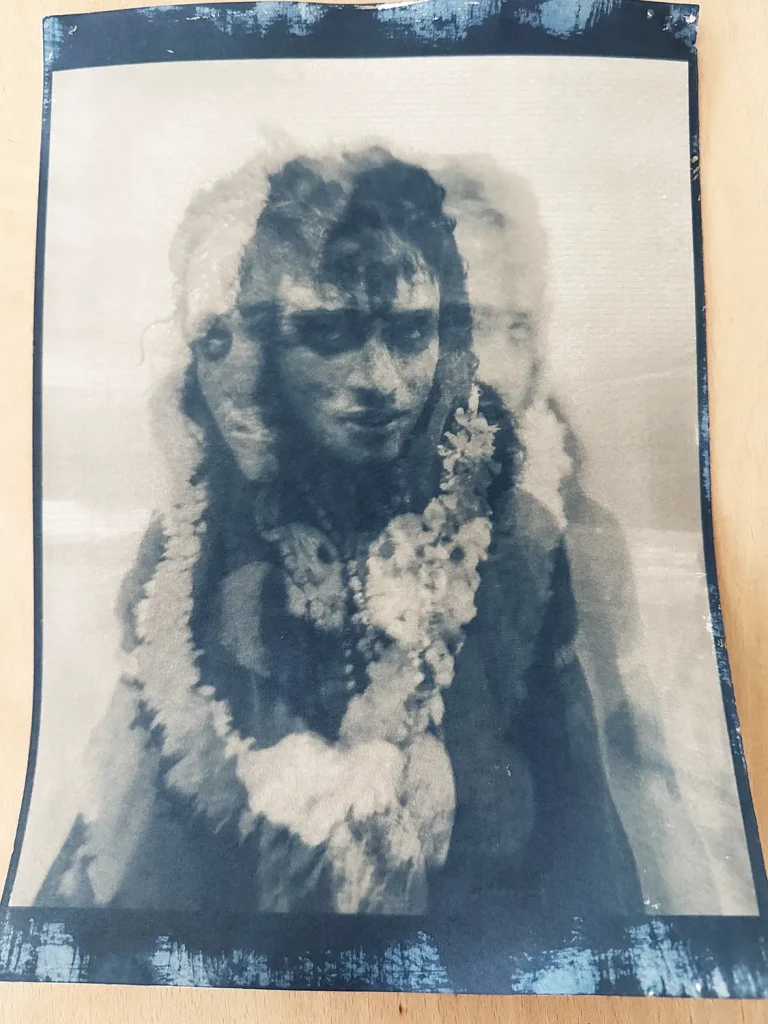
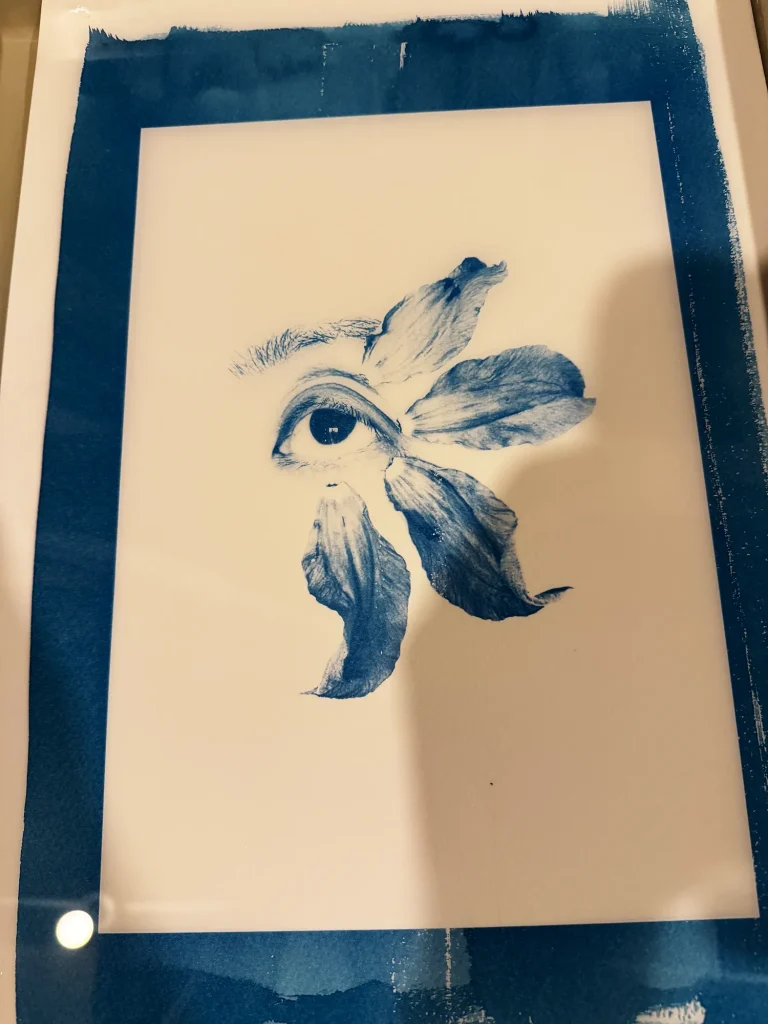
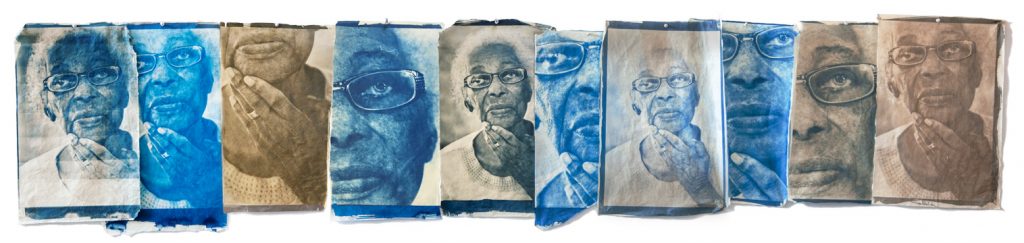
Below: Various cyanotypes, some toned


Workshop Options
Introductory Workshop
Explore sun prints, objects, and found materials to create expressive cyanotypes.Advanced Workshop
Learn digital negative workflow, UV exposure units, and toning techniques for refined prints.One-to-One Masterclass
Fully personalised tuition for artists developing a project.- Online Session
live demo with multi-camera setup via Zoom.
Frequently Asked Questions
How long does a cyanotype workshop last?
Most cyanotype workshops run for a full day (10am–4pm). Shorter one-to-one sessions can also be arranged.
Do I need a camera?
No. Cyanotype uses contact printing. You can work with provided demo negatives, objects, or digital negatives from your own files.
Will I learn toning techniques?
Yes. Alongside classic blue prints, you’ll explore bleaching and toning with natural substances to shift colours into sepia, grey, or warm black.
Booking & Terms
Workshop Fees (at a glance)
One-to-One: £350/day (save up to £100 on multi-day bookings)
Groups: £260 per participant/day (extra savings for 2–3 day bookings)
Deposit: £100 per participant to secure your place
Full Fee Structure
One-to-One Tuition
£350 per day
Save £50 on 2 days, or £100 on 3 days
Small Group Workshops
£260 per participant per day (for 2–4 participants)
Save £50 on 2 days, or £100 on 3 days (per participant)
Deposit
A £100 deposit per participant secures your place; the balance is due 5 days before the workshop.
- Cancellations:
- 14+ days: full refund/reschedule
- 7–13 days: transferable, non-refundable
- 7 days: non-refundable (unless you find a replacement)
- Materials: All provided
- Copyright: All images you create remain entirely yours
➤ View Full Terms & Conditions
Enquire & Register in the form below
Ready to dive into the blue? Spaces are limited.
Email: ian@ianphillipsmclaren.com
Cyanotype Images
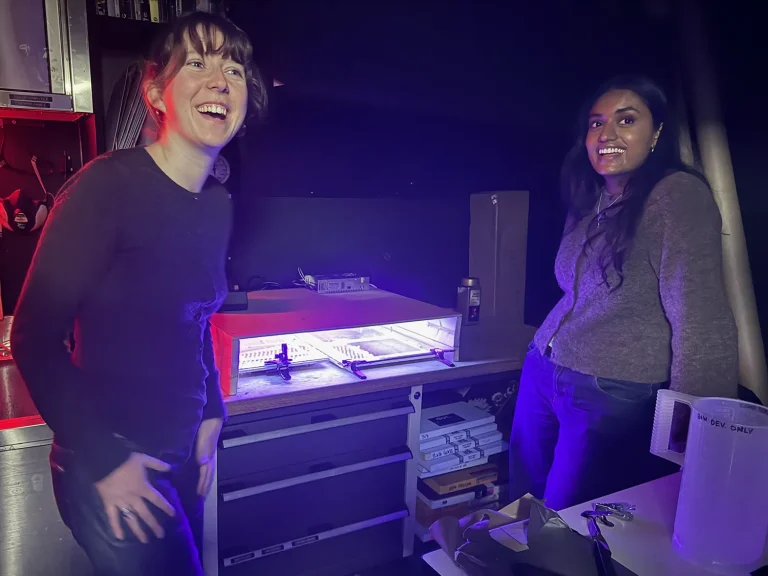
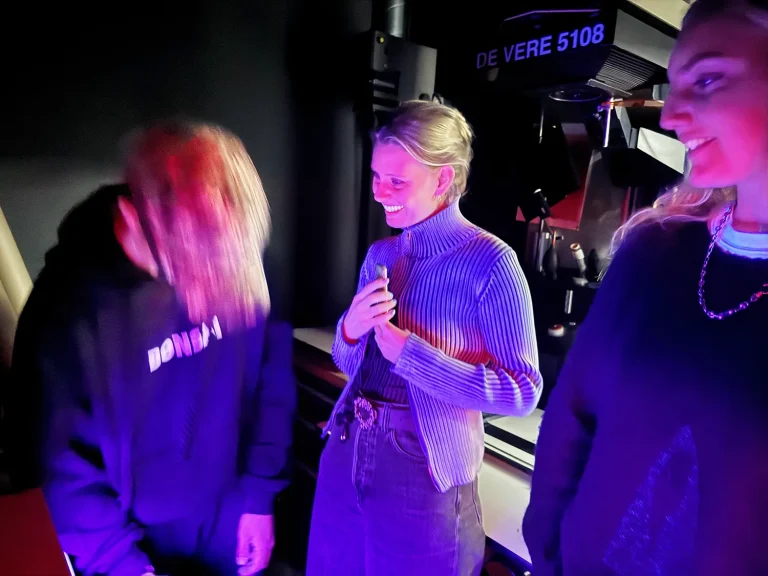
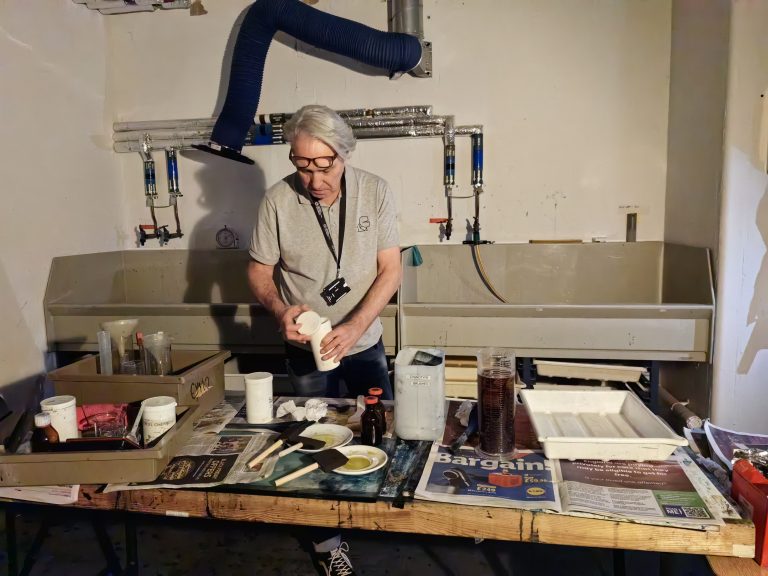
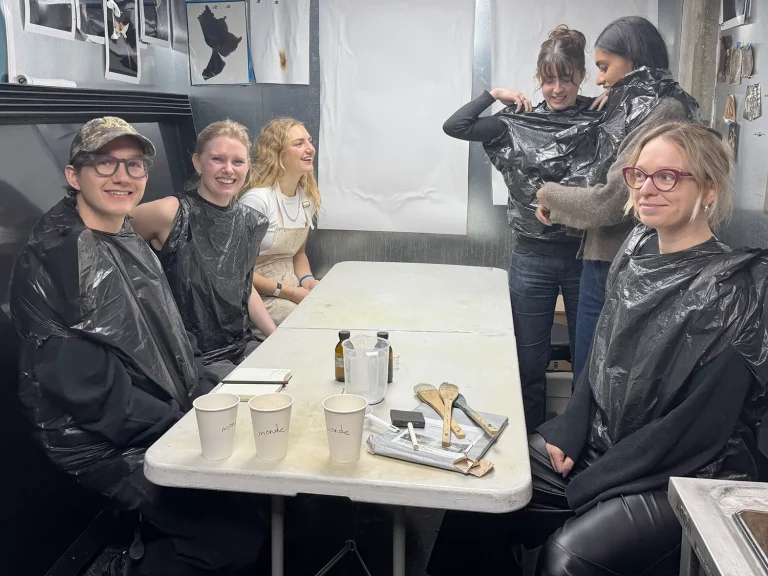
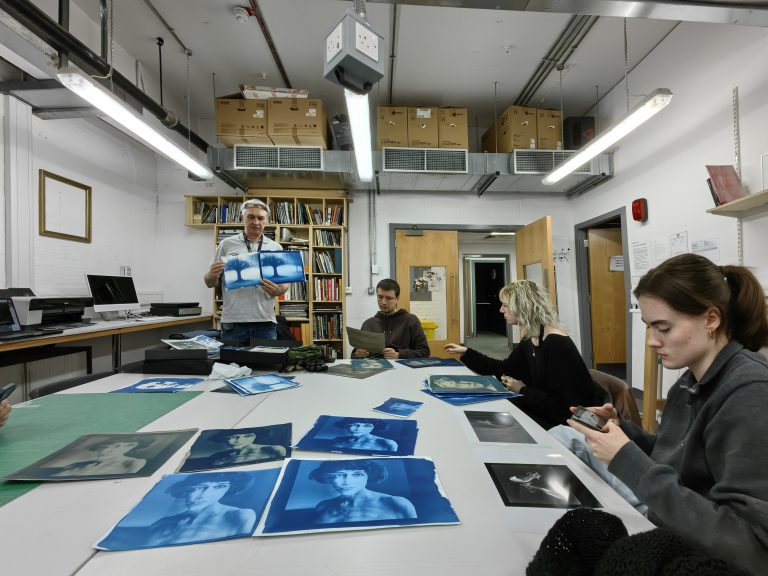
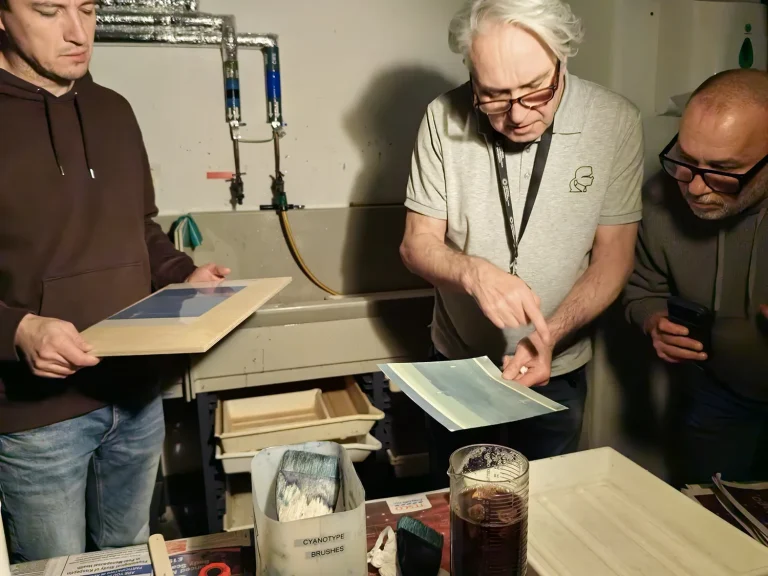
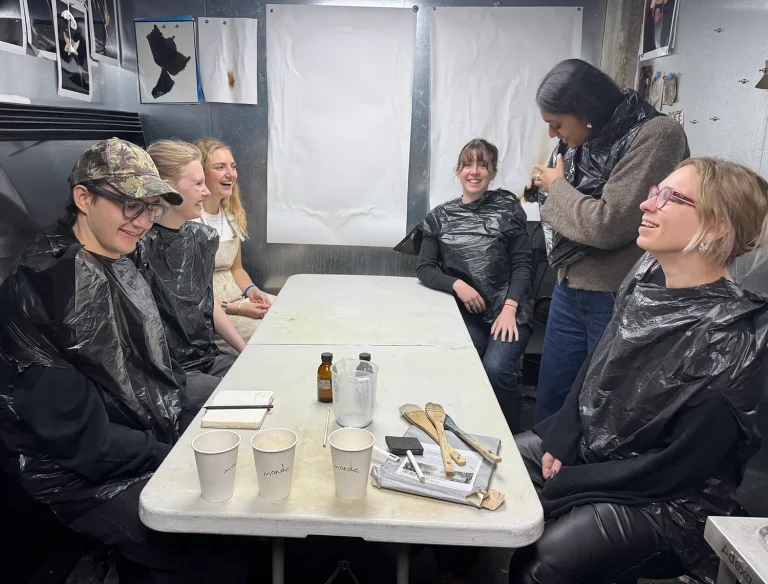
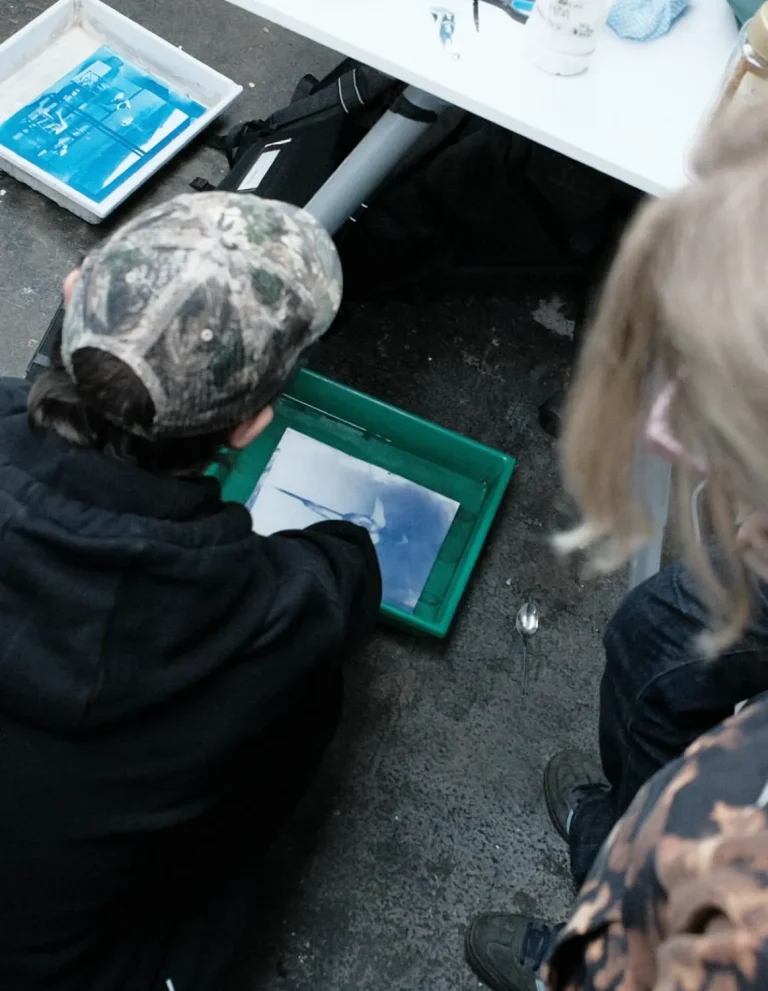
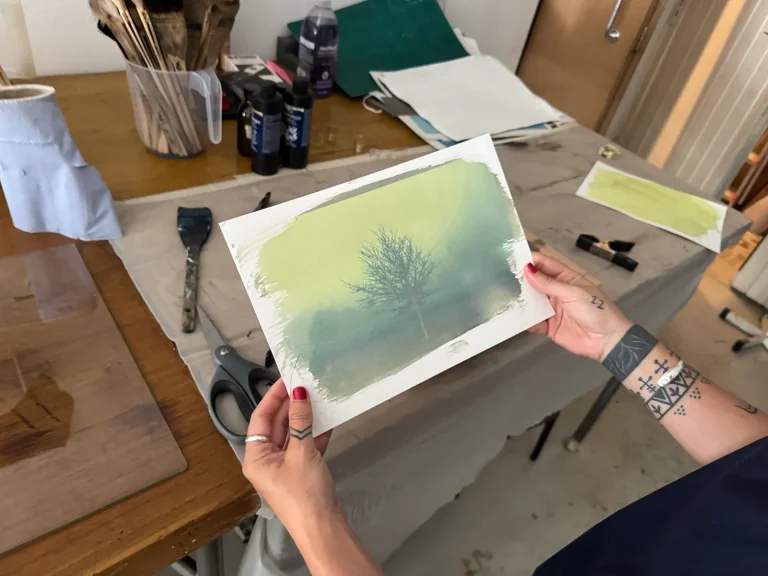
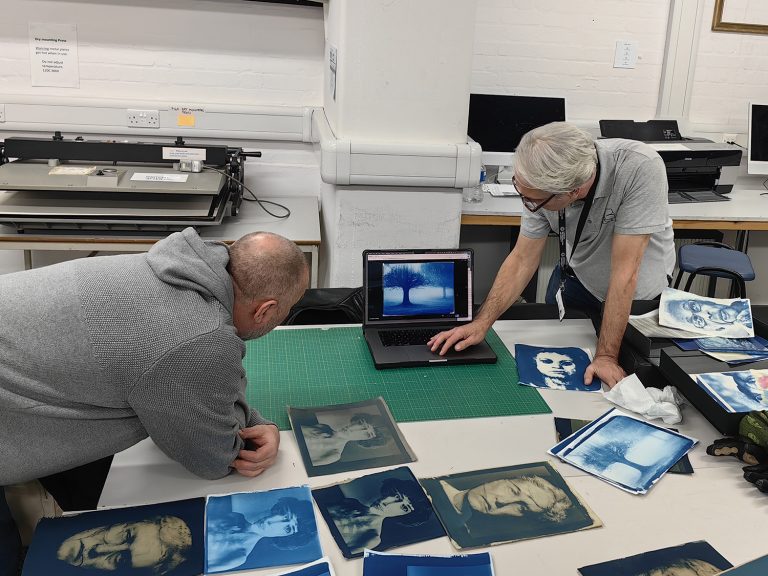
These images below are from recent cyanotype workshops and mentoring sessions in various studios. They give a glimpse of the hands-on atmosphere — the brushing, washing, toning, conversations, experiments and small discoveries that happen along the way as people learn, play and push the process further.




Workshop Enquiry Form
Workshop Location
These cyanotype workshops take place at my East London studio in Hackney, just a 4 minute walk from Hoxton station.
Online sessions are also available for those outside London, using a multi-camera Zoom setup for live demonstration and feedback.
👉 Also available: Salt Printing Workshops in London and Gum Bichromate Tuition
This cyanotype workshop is also offered as a course, class, or one-to-one tuition — ideal for those looking to explore traditional or toned cyanotypes in depth.