Analogue Film Photography /
A lifelong practice in craft, precision, and creative play.
Analogue Film Photography /
There’s something uniquely powerful about working with film. The slow process, the weight of the camera, the smell of developer in the darkroom — these tactile experiences shape not just how I work, but how I see.
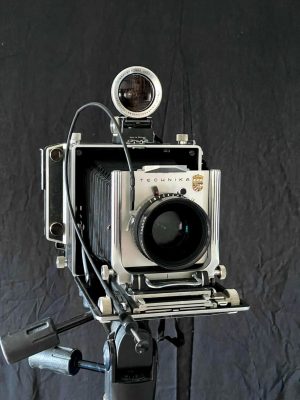

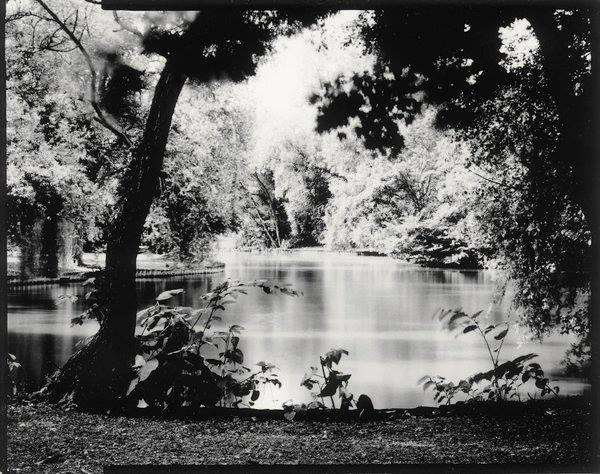
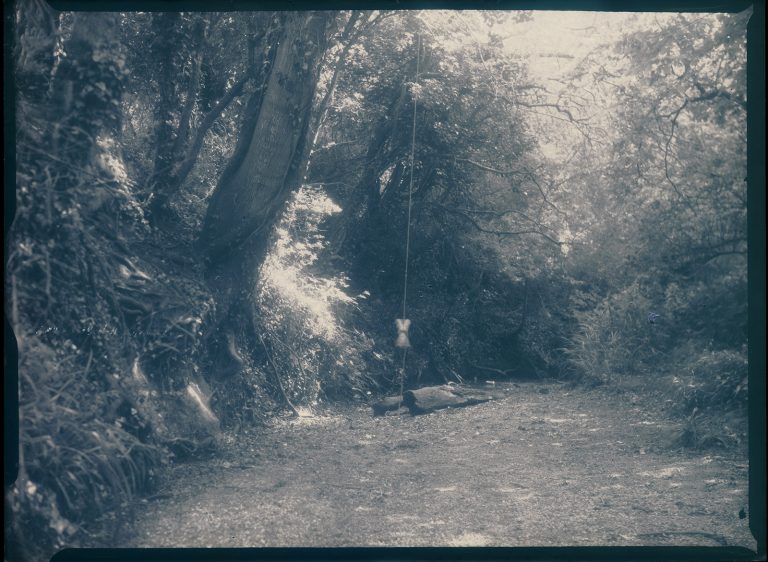
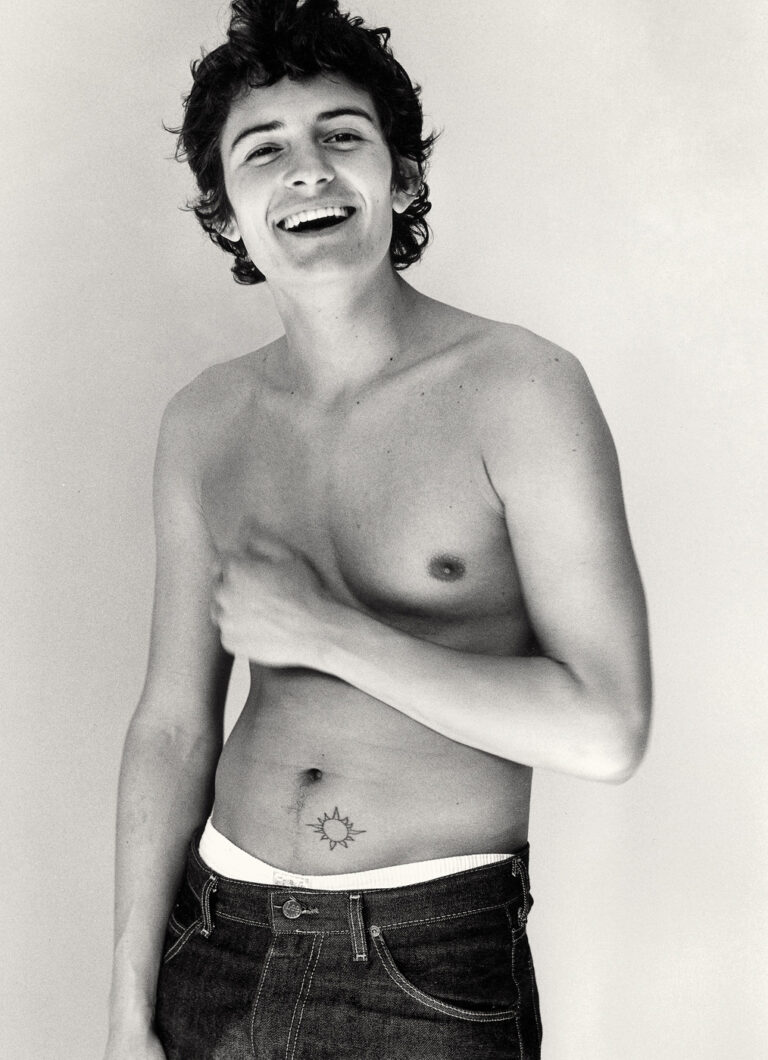
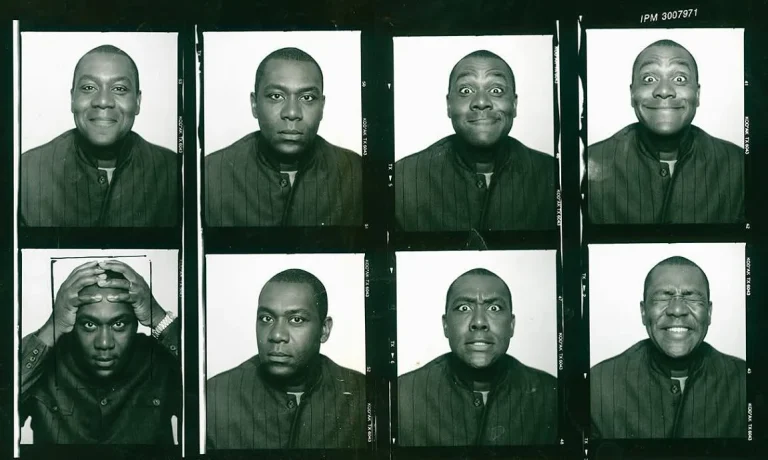
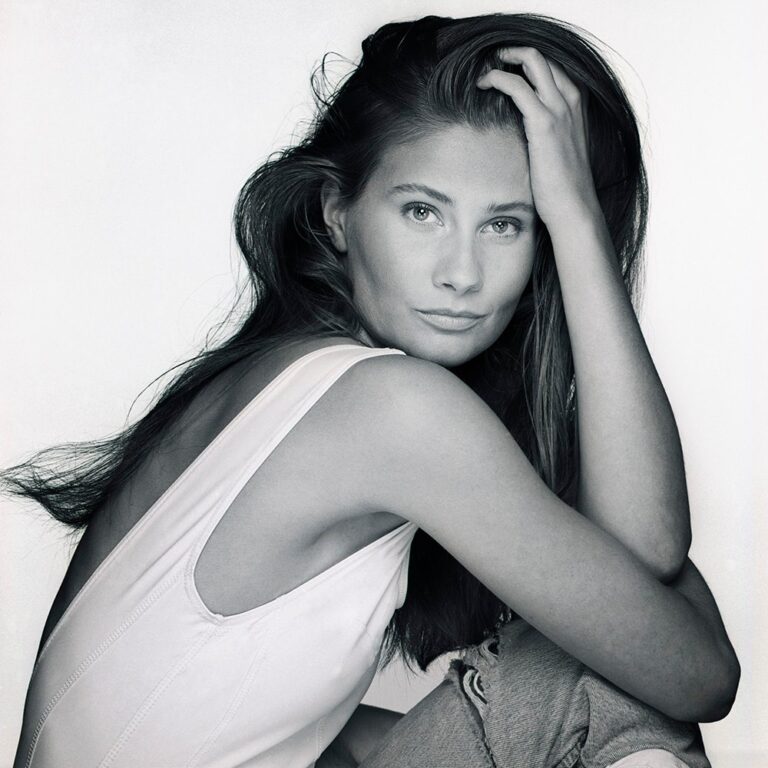
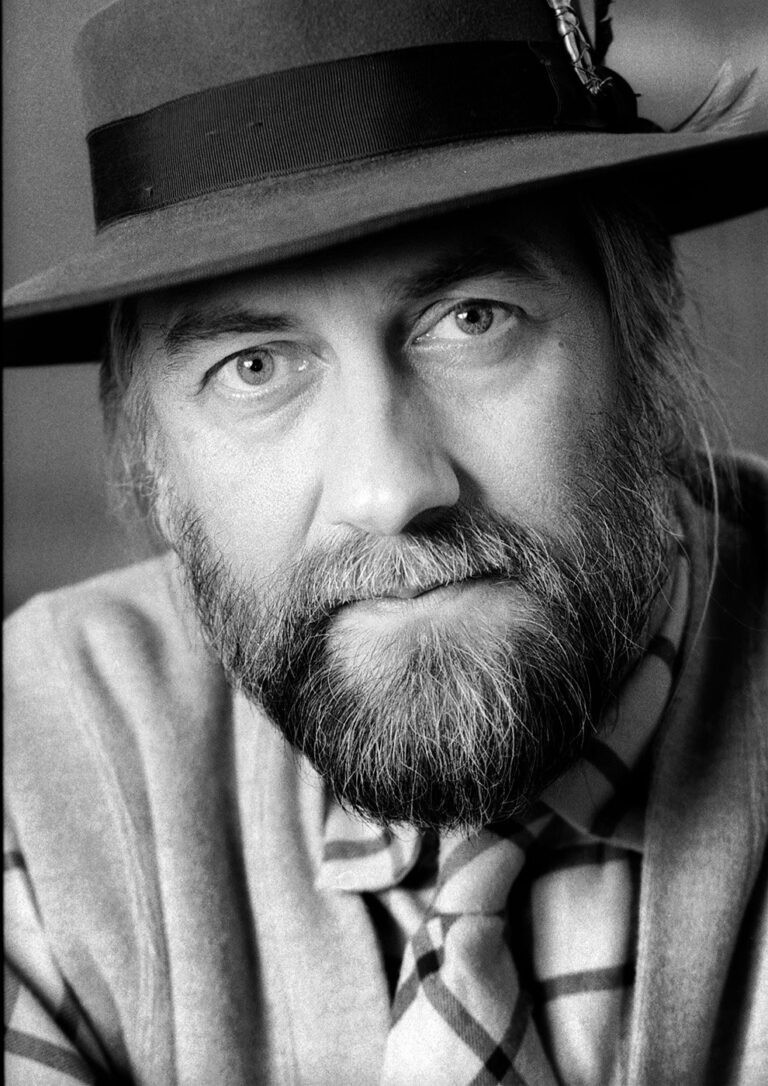
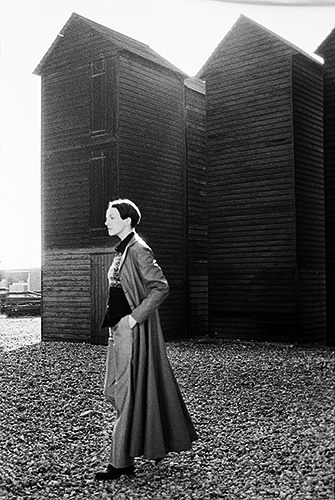
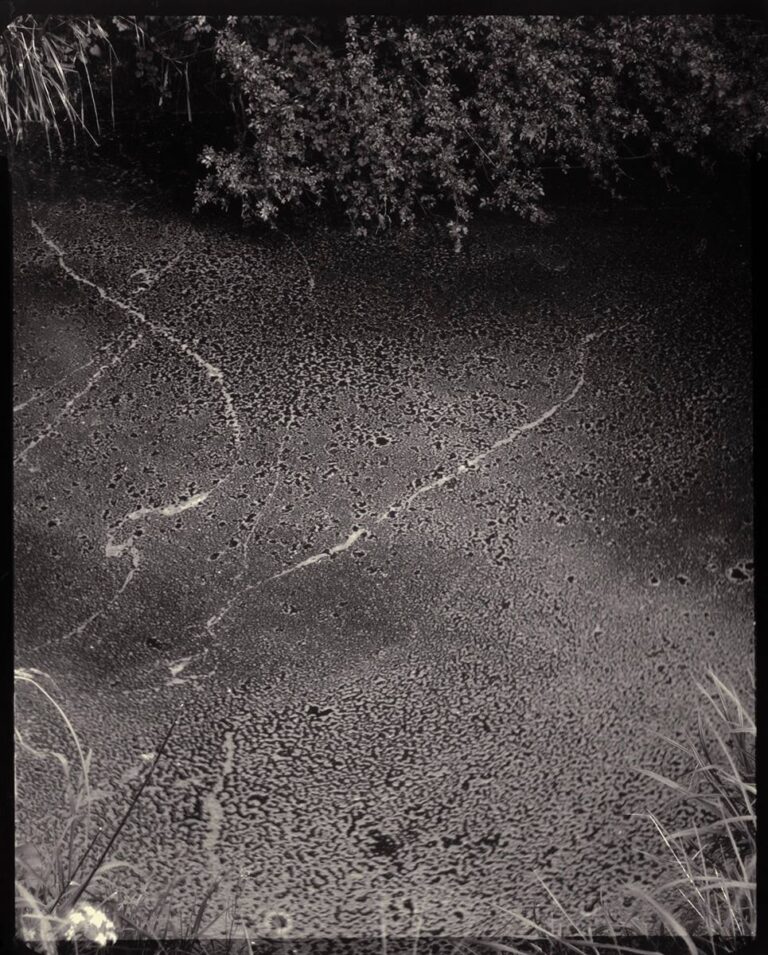
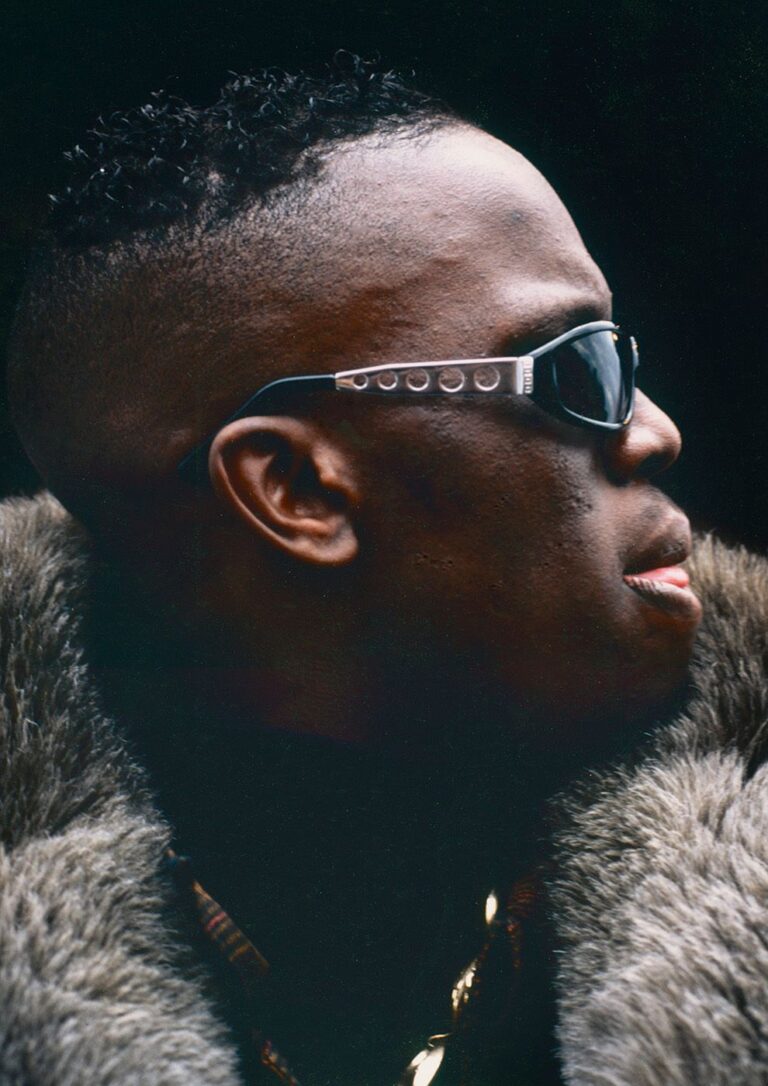
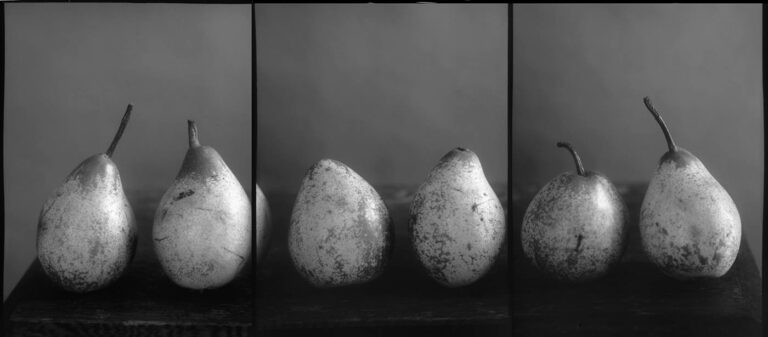
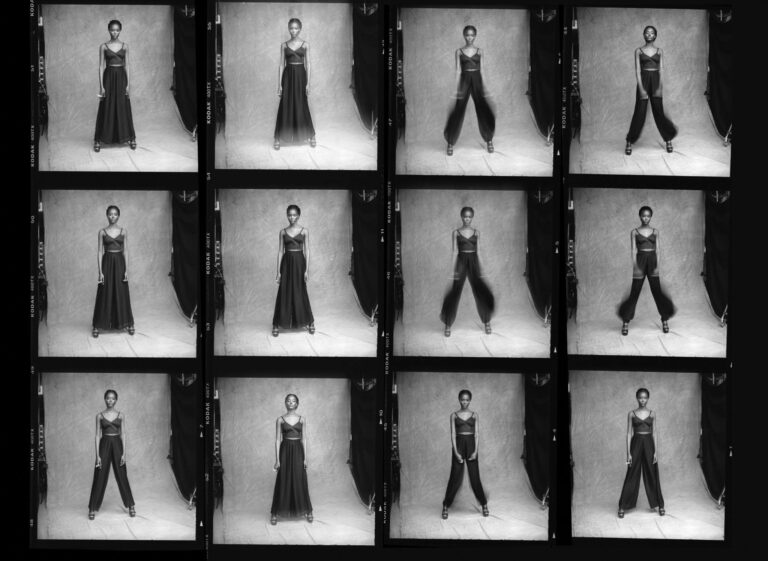
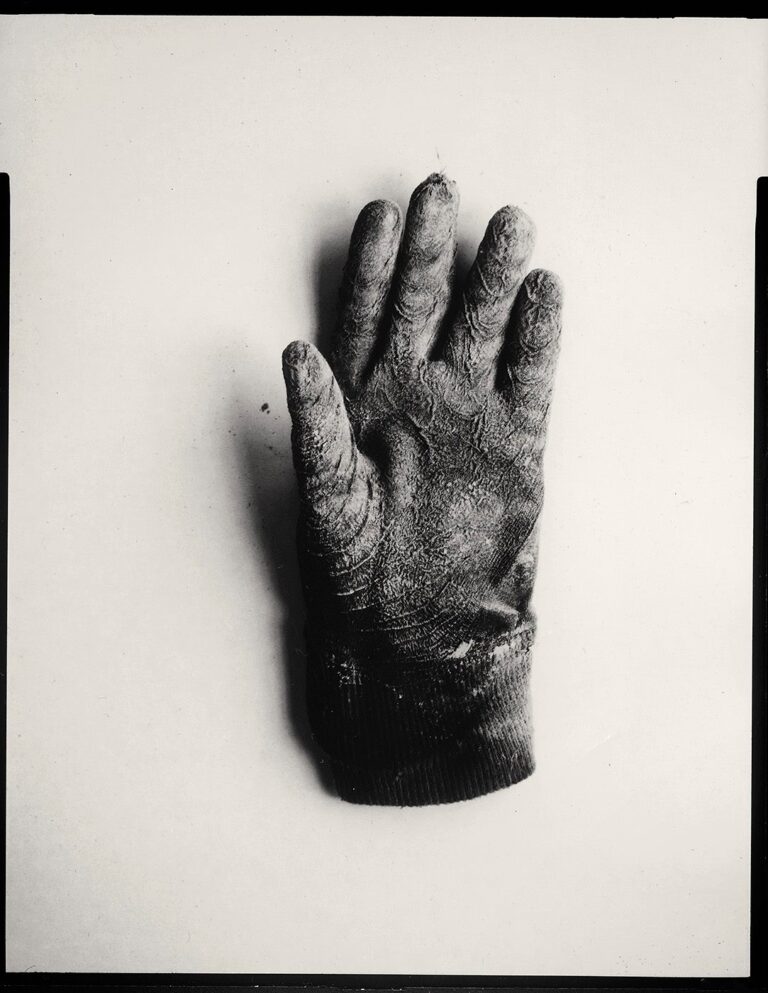
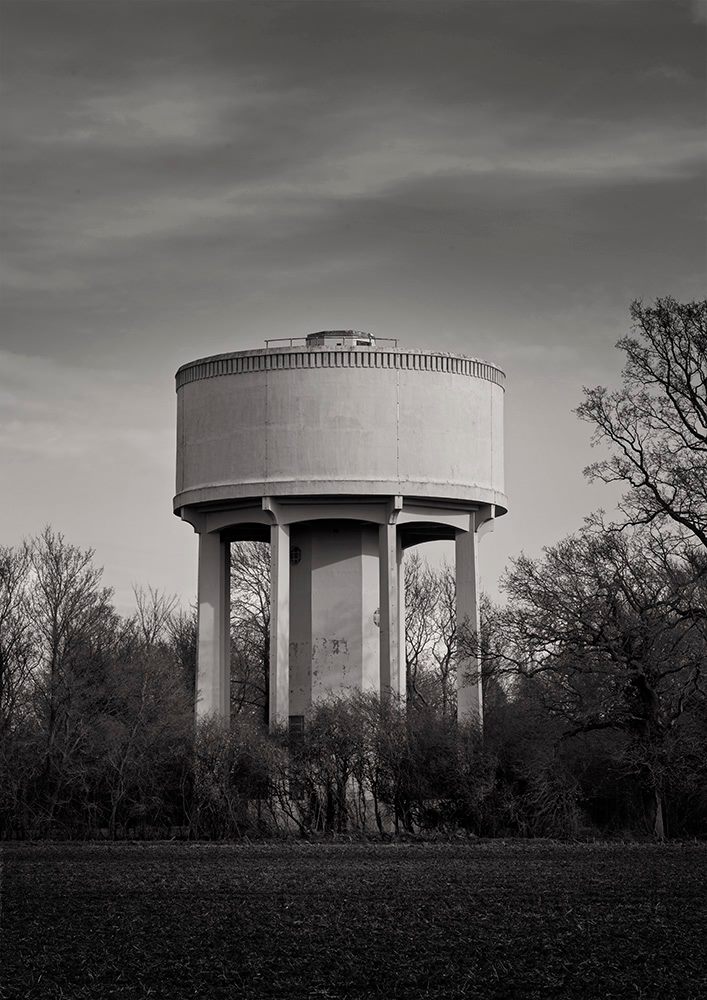
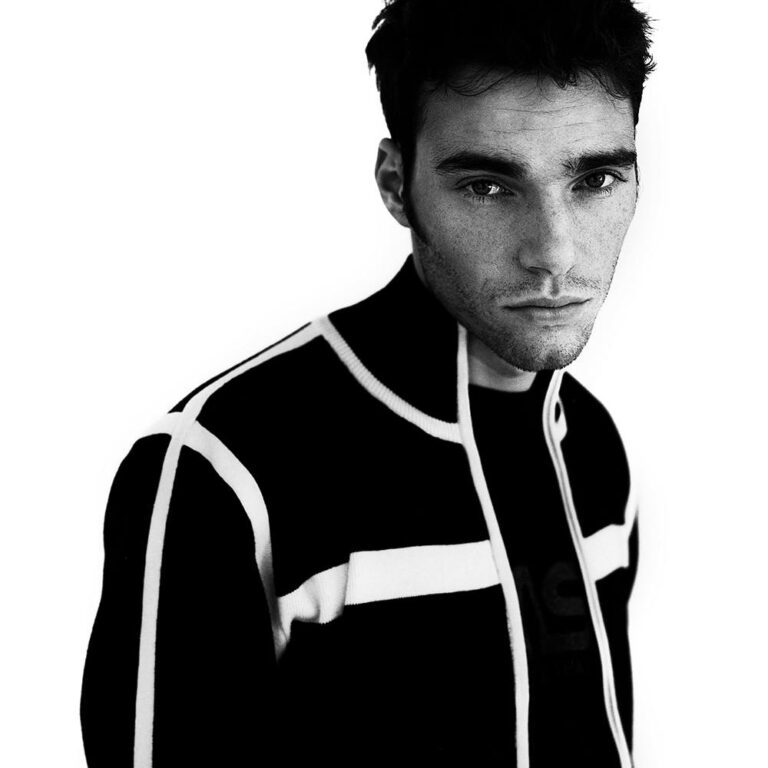
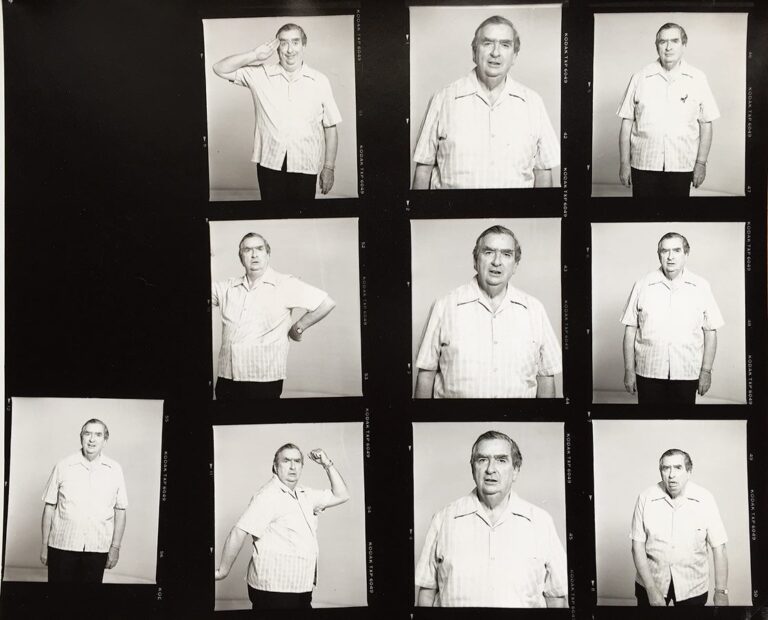
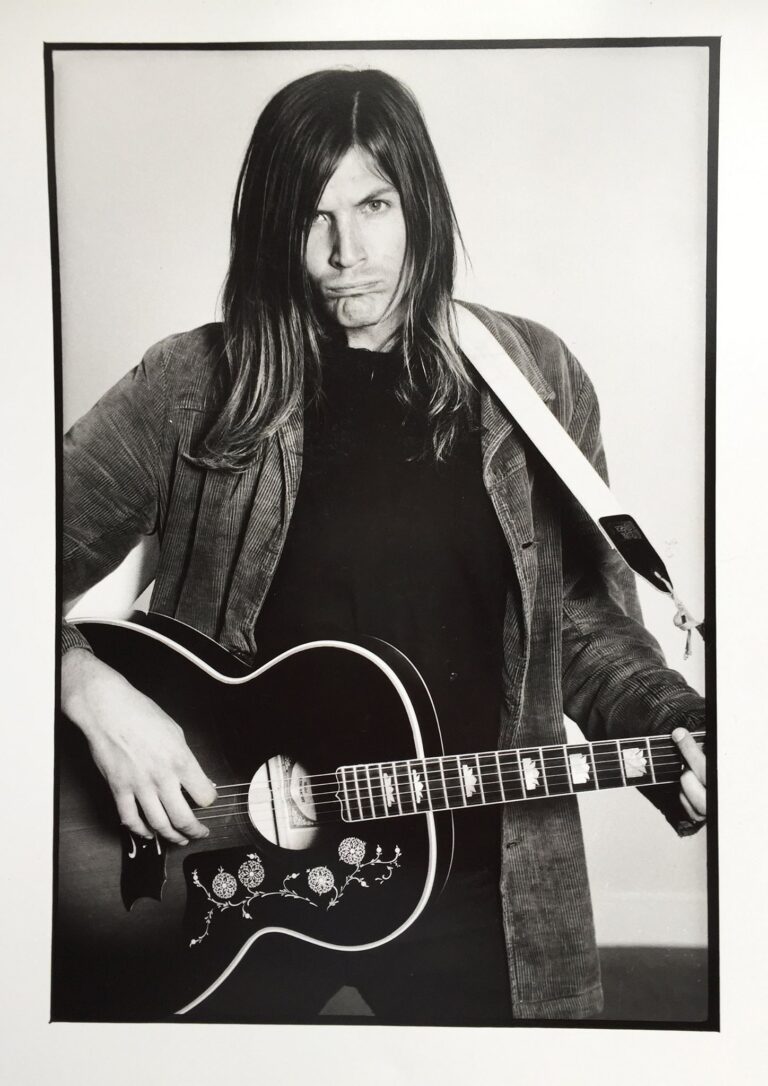
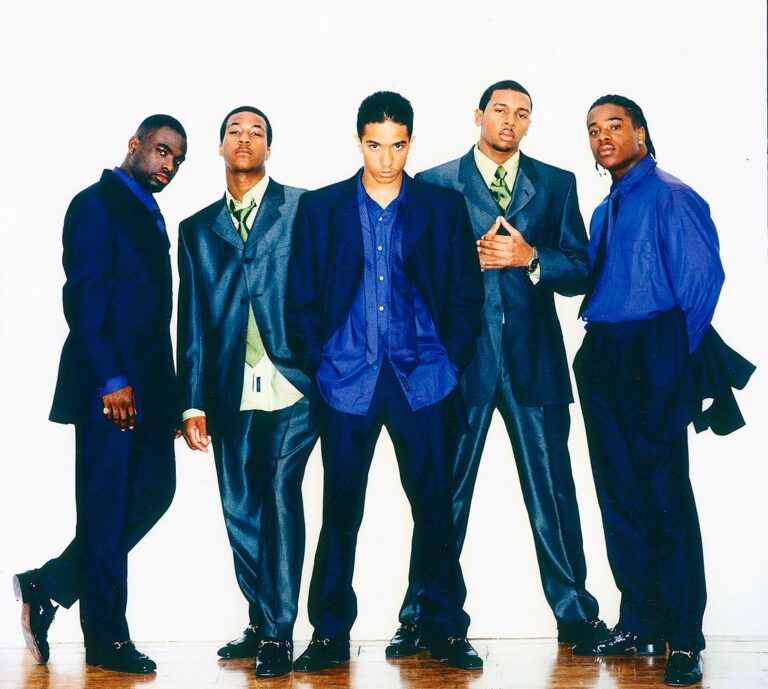
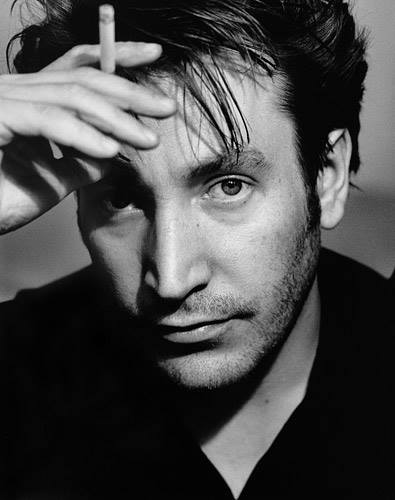
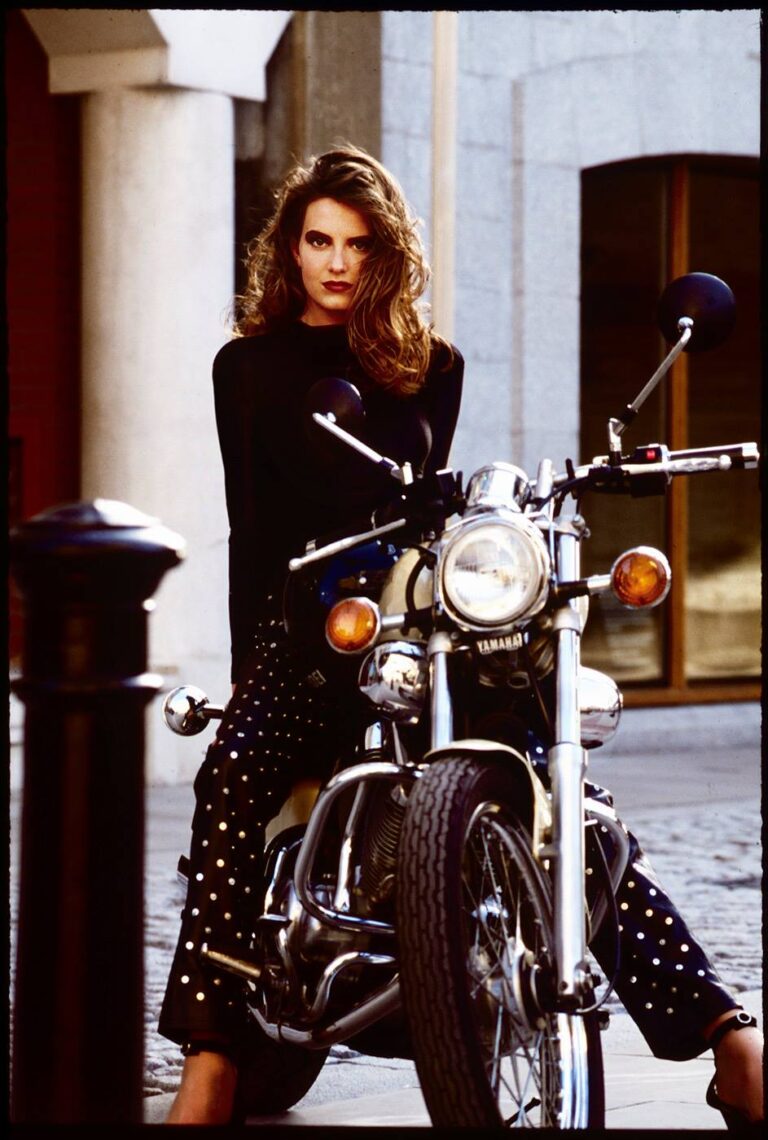
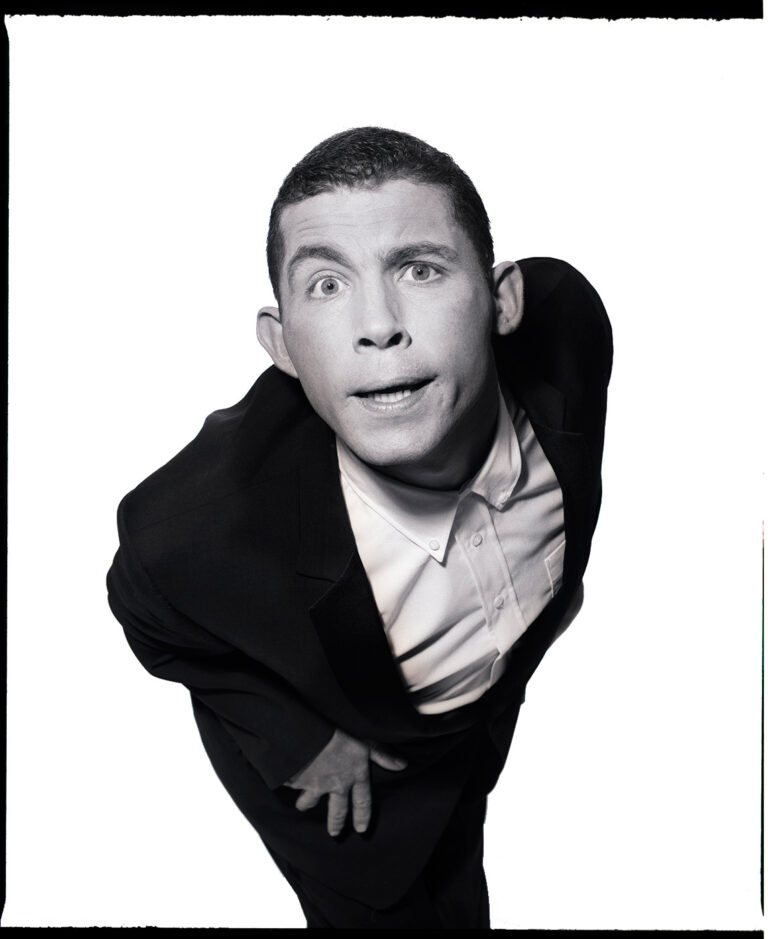
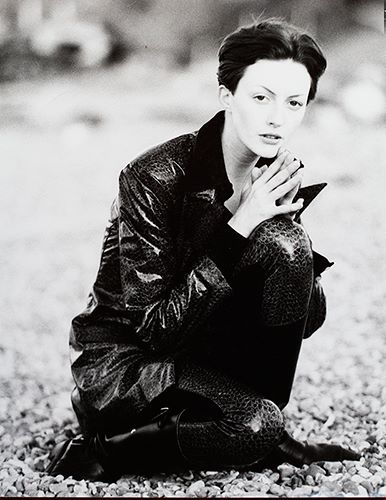
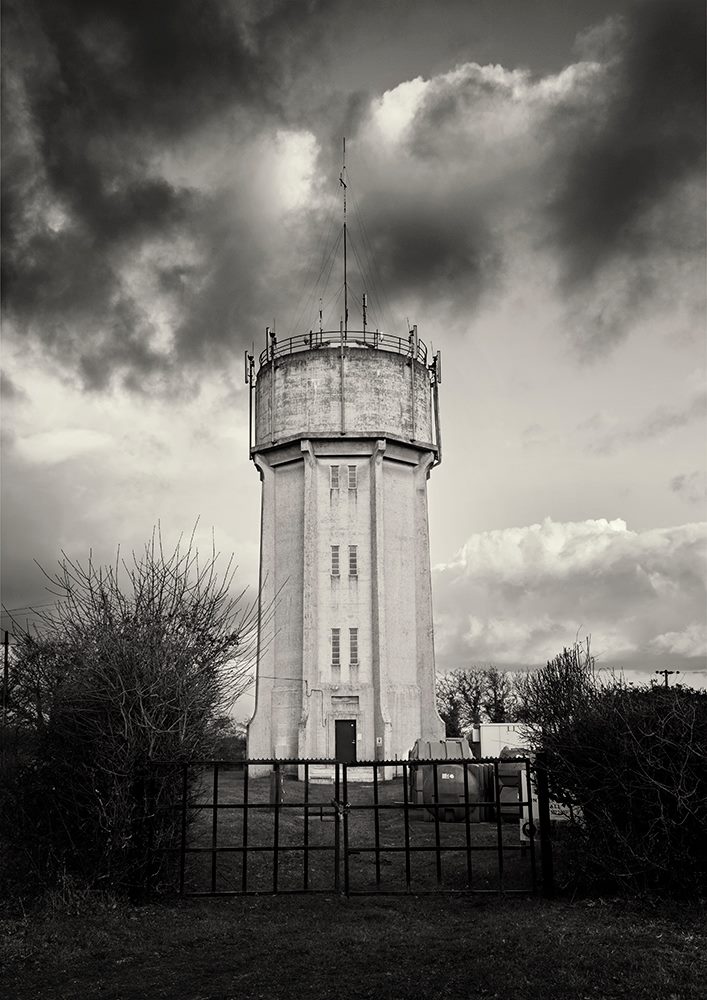
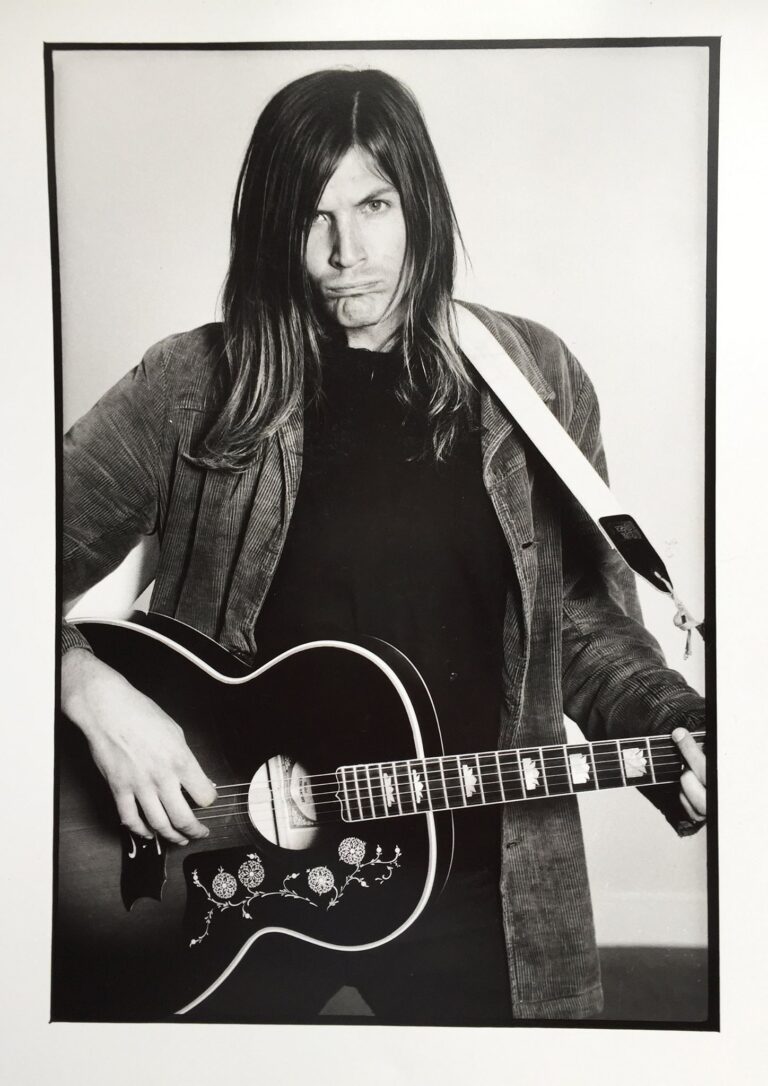
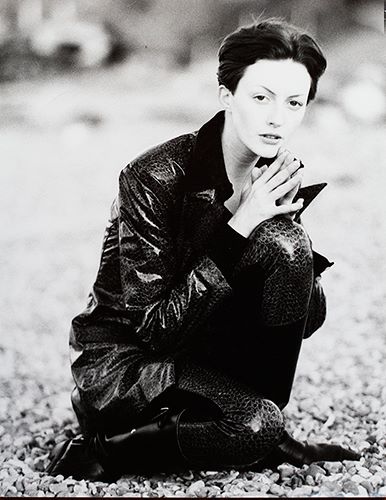
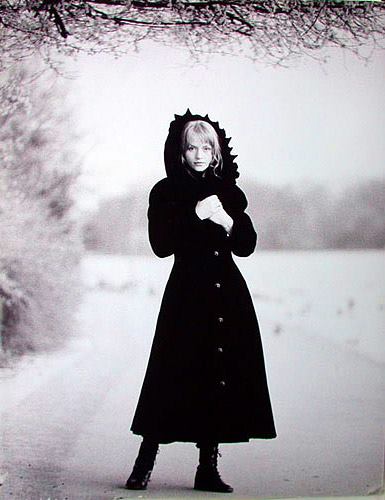
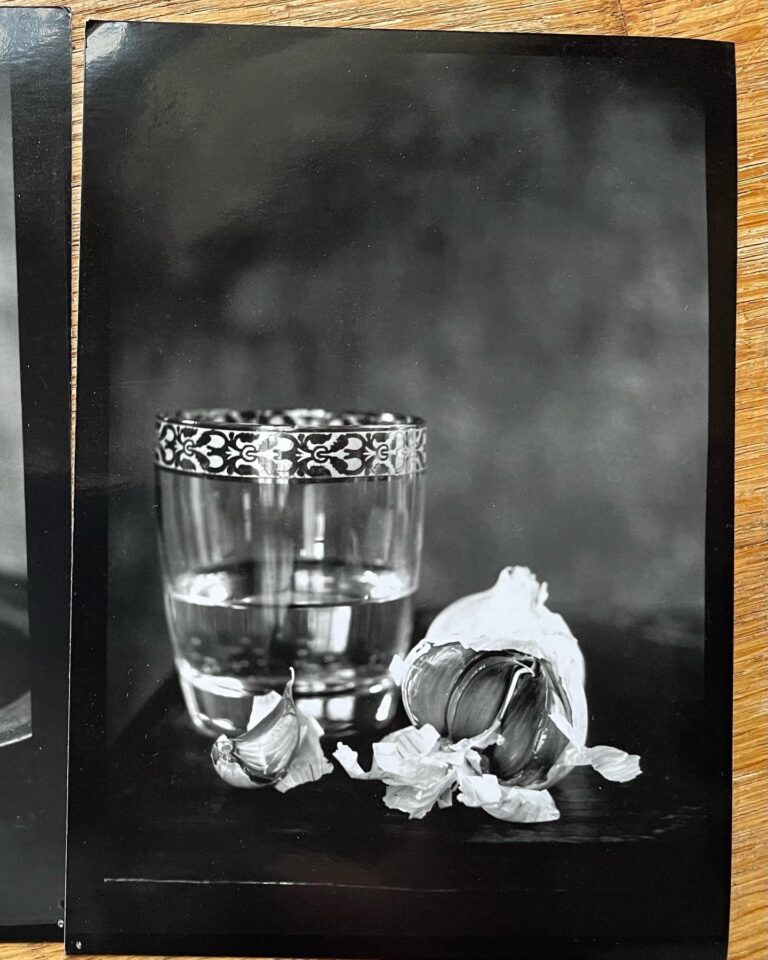
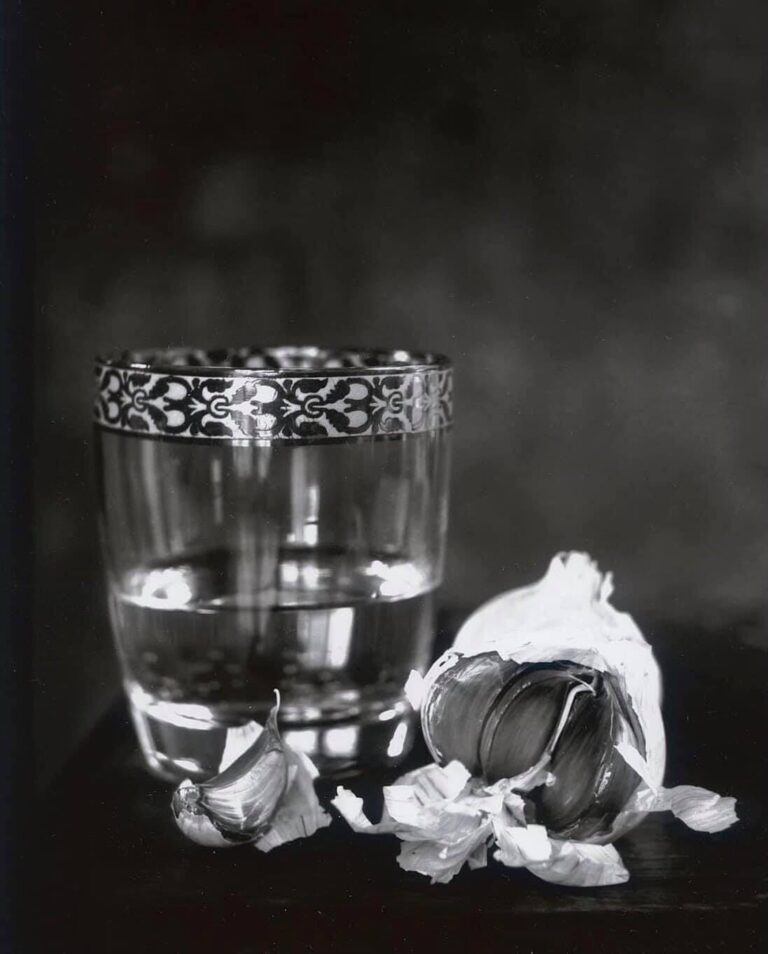
My analogue photography practice began in 1985 with a second-hand camera and a shared studio in Glasgow. Since then, film has remained central to my work — whether capturing portraits on 5×4 sheet film, or printing silver gelatin images by hand in the darkroom. This page brings together selected works from over the years, including personal projects, landscapes, portraits, and still lifes — all made using analogue methods.
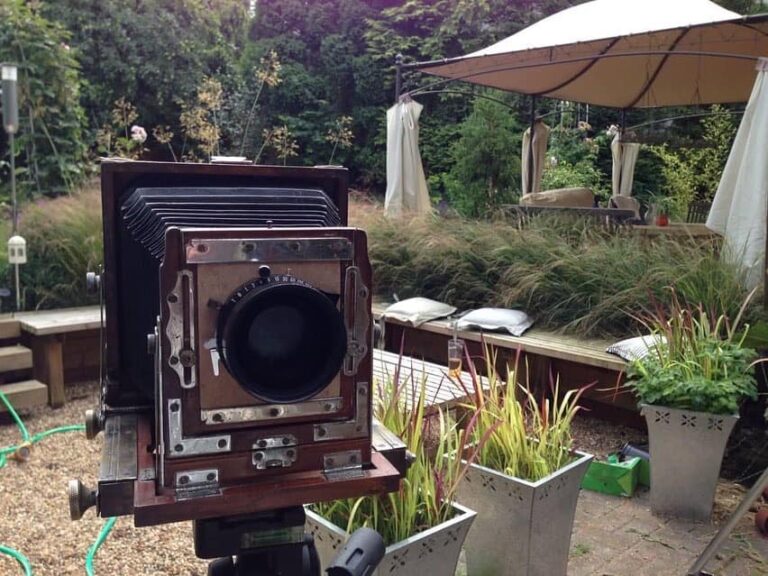
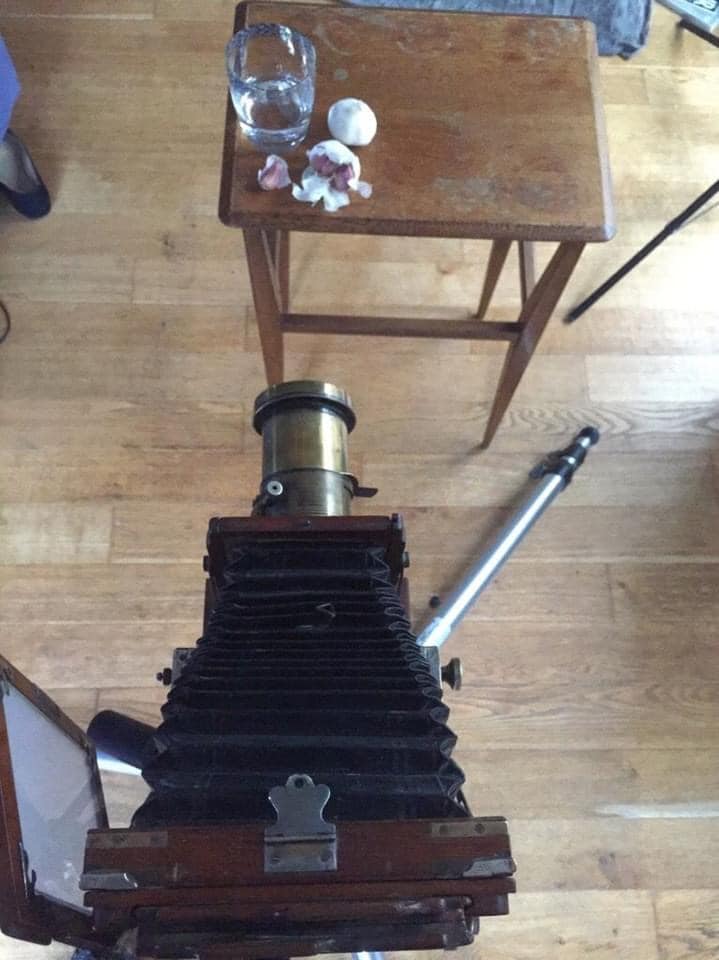
While much of my recent work incorporates alternative processes such as gum bichromate and salt printing, traditional black-and-white film remains the foundation of my practice. I continue to shoot with large-format film and vintage lenses, valuing their clarity, slowness, and unpredictability.
Why Film?
Film demands patience. It doesn’t offer instant feedback or endless frames — and that’s part of its strength. You measure the light more carefully. You observe more closely. The final image carries a sense of intent and presence that’s difficult to replicate digitally.
These images aren’t about nostalgia, but about materiality — the physical trace of light on film, the grain, the exposure, the print. Each negative is a small object in itself, and each print carries the imprint of time and hand.
The Process
I work with a range of cameras — including medium format and large format 5×4 — and print using traditional darkroom techniques. My film prints are hand-developed and printed on fibre-based paper, often toned or further worked into. In some cases, I use these analogue prints as a base for mixed-media work or alternative processes like gum bichromate or cyanotype.
Cameras & Formats
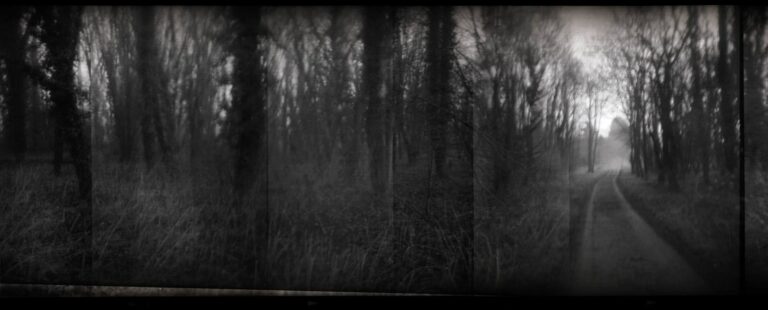
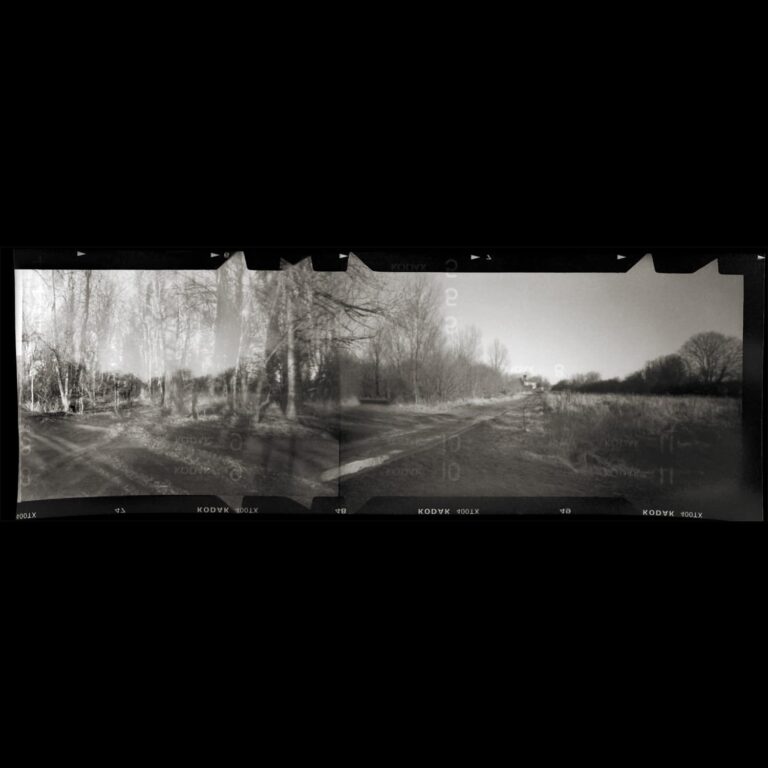
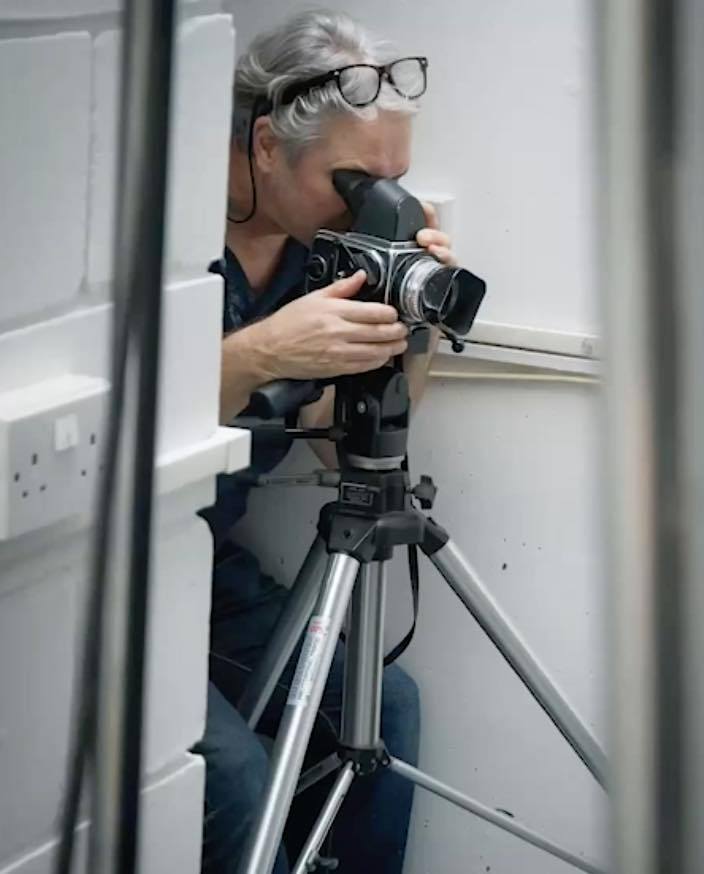
Over the years, I’ve worked with everything from 35mm Nikon SLRs and medium-format Hasselblads to pinhole cameras and plastic-lens toys. Each format offers its own texture, limitations, and rhythm. My large-format 5×4 camera allows for slow, deliberate portraiture and incredible tonal range — while my earliest images were often made with unpredictable plastic cameras that embraced blur and chance.
This diversity of tools is central to my process. I choose the camera that suits the subject — whether I’m working on a precise silver gelatin portrait, a looser landscape study, or something destined for alternative printing.
Want to Learn?
If you’re interested in learning analogue photography, from loading film to developing in the darkroom, I also run Analogue Photography Workshops from my studio in Hackney, London.
- Email: ian@ianphillipsmclaren.com
- Phone: +44 (0) 7889 861654