A Search for the Source /
River Chelmer Project
The project began with a suggestion: walk more. After a long flight and a hospital scare, a friend nudged me to find a project close to home — something to get me moving, keep the blood flowing. The River Chelmer, winding quietly through north Essex, became the thread I decided to follow.
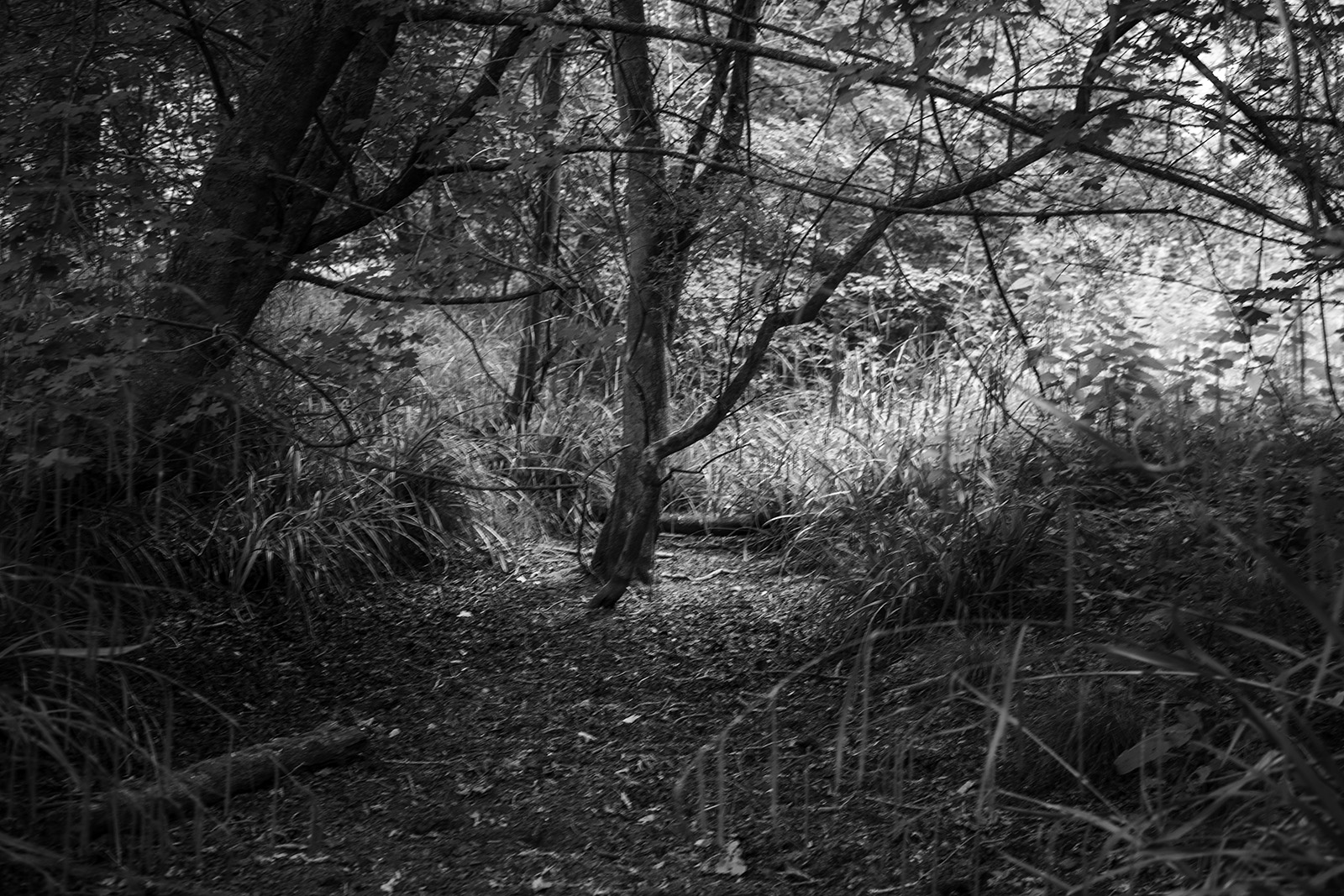
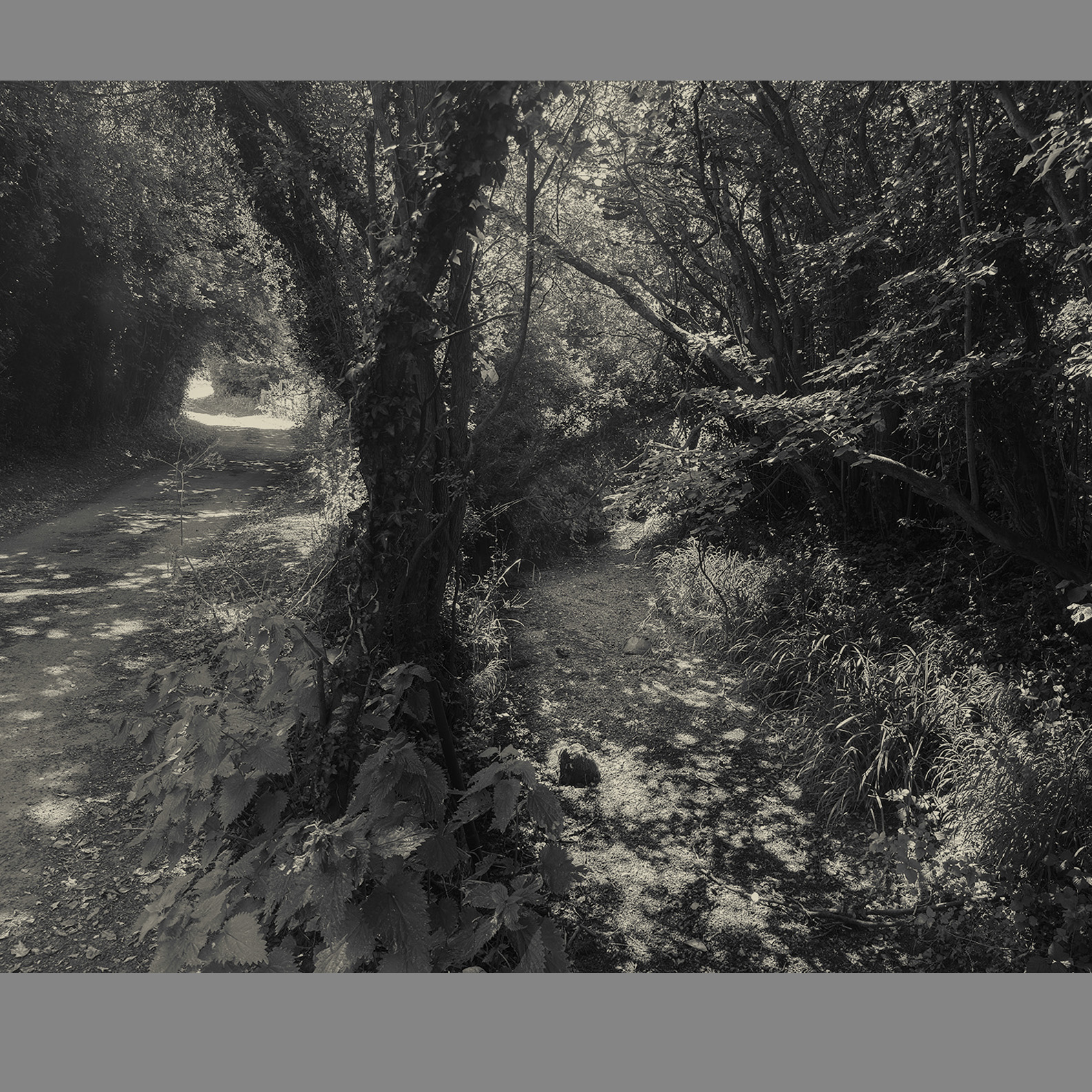
Over the past few weeks, I’ve been walking its upper reaches — tracing dry ditches, scanning OS maps, following half-forgotten footpaths. There are — depending on who you ask — two sources: one in the middle of a quiet wood, the other in Debden Green (both of which I found). Both had dried up in the heat, little more than ghosts of water. But I’ve found I enjoy the searching. The way a river can be something you imagine before it ever appears.
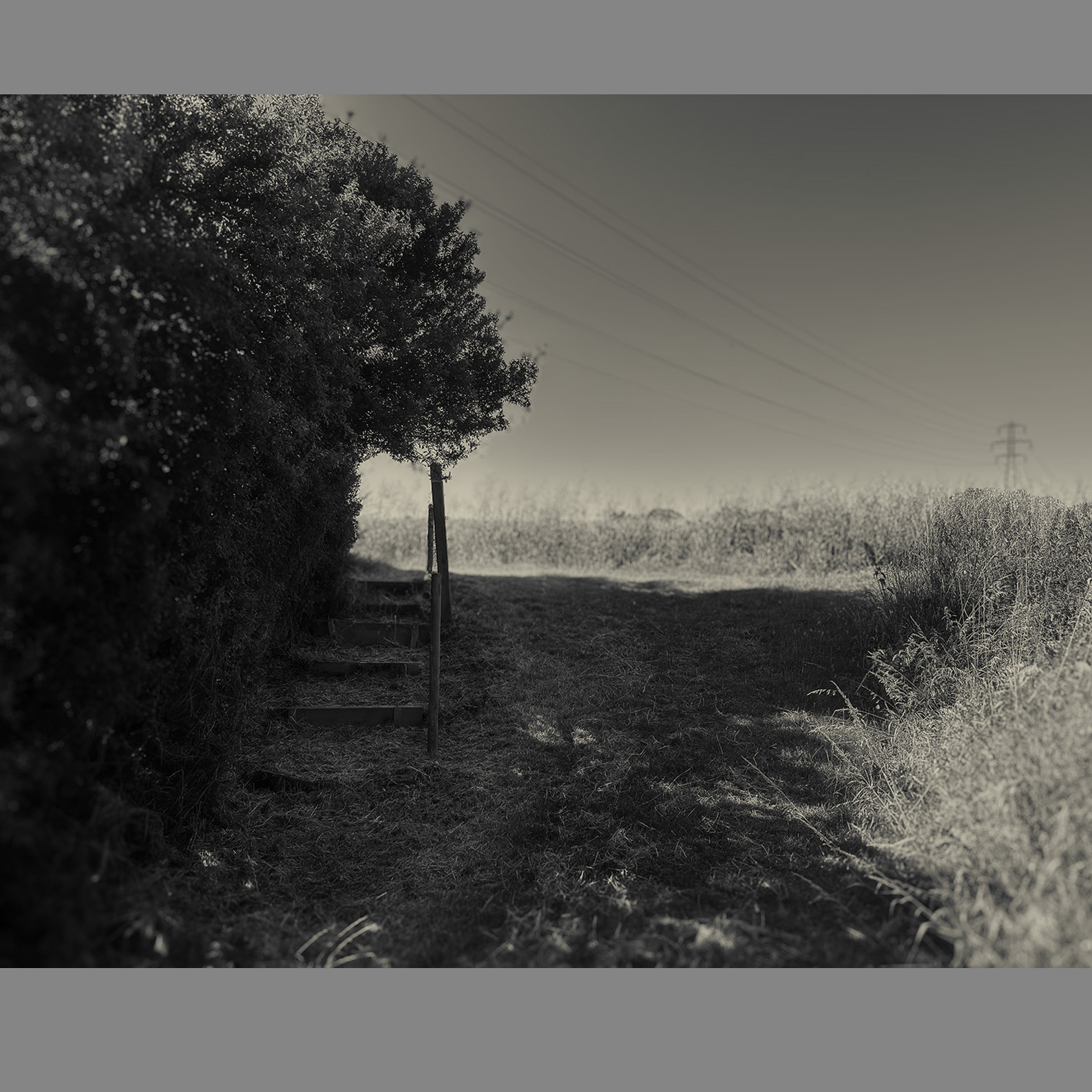
So far, the landscape is flat and rural — all green hedges and distant pylons. A bit too well-behaved. Not quite the kind of terrain that shouts. But I’m not looking for spectacle. I’m drawn to the edges — to what grows alongside the river, to overlooked details, to whatever history still clings to the banks. I’ve started collecting pigments from the land: iron-rich soil, chalk dust, crushed leaves. These will find their way into prints and paintings. I’ve begun sketching too — field studies made quickly, loosely, as the light shifts and the breeze lifts the paper.
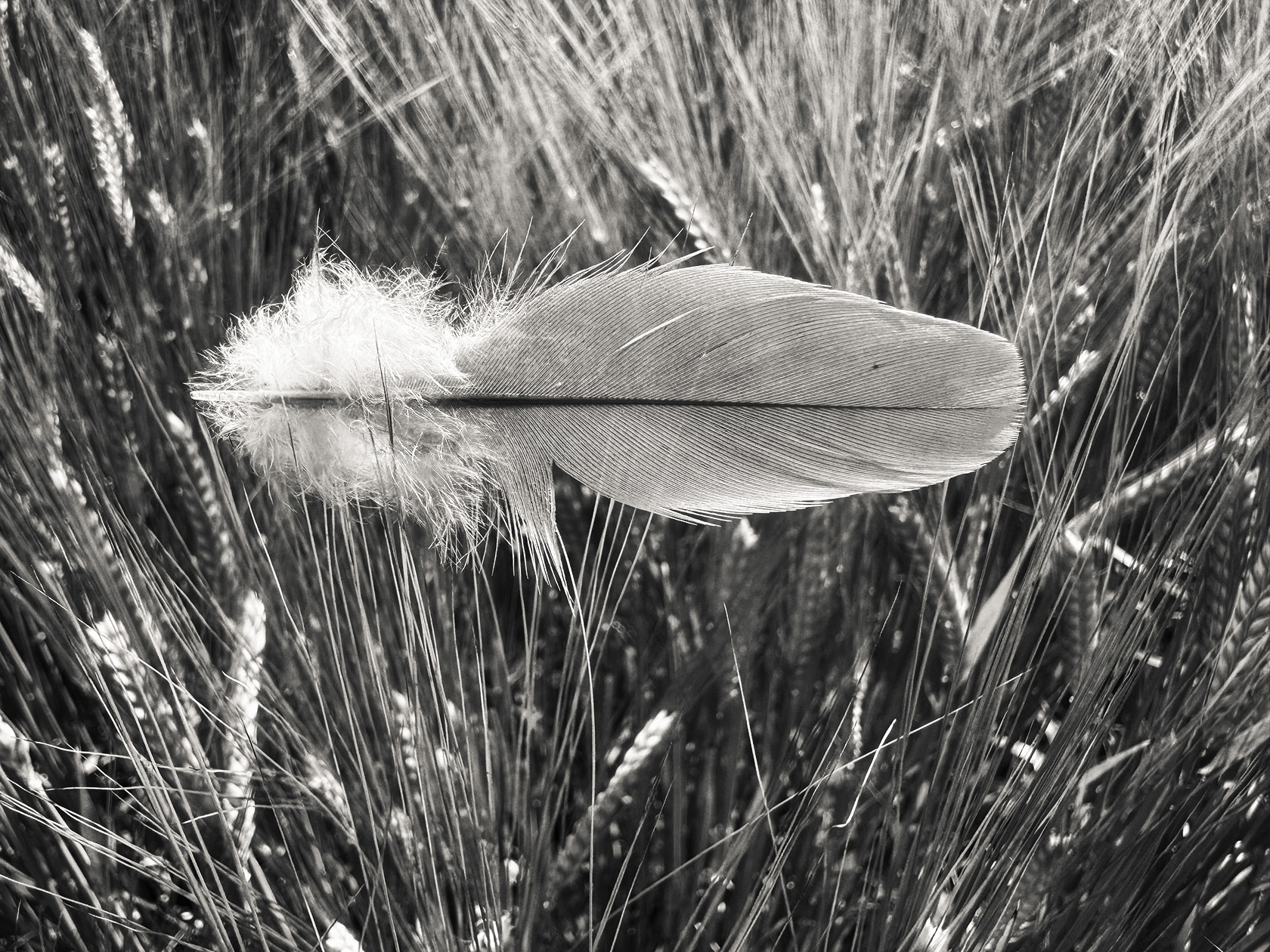
I carry a camera everywhere — usually more than one. A digital body, a film camera, sometimes my Diana: a plastic toy with a tendency toward happy accidents. On a few walks I’ve brought my hundred-year-old folding Voigtländer, shooting large format paper negatives. The images feel soft and slightly detached from time, like memories you can’t quite place. I’ve been filming too — fragments of movement and sound that may one day become part of a longer piece. There are audio recordings as well: birdsong, reeds, leaves in the wind, the hum of something distant, usually planes heading over to Stansted airport. All of it part of the river’s voice.
Alongside this, I’m searching for traces of human presence — both historical and contemporary. Disused mills, worn steps leading to nowhere, a name carved into wood. Housing estates, modern bridges, the logistics of flood control. The Chelmer carries both the old and the new — the planned and the accidental. I’m drawn to all of it. Not just the water, but everything it touches.
Nothing dramatic has happened yet. But something has begun. The rhythm of walking. The quiet act of noticing. The gathering of pigments, images, sketches, sound, and stories — a slow build toward something still forming.
The river will reveal itself — like a print, emerging one layer at a time.
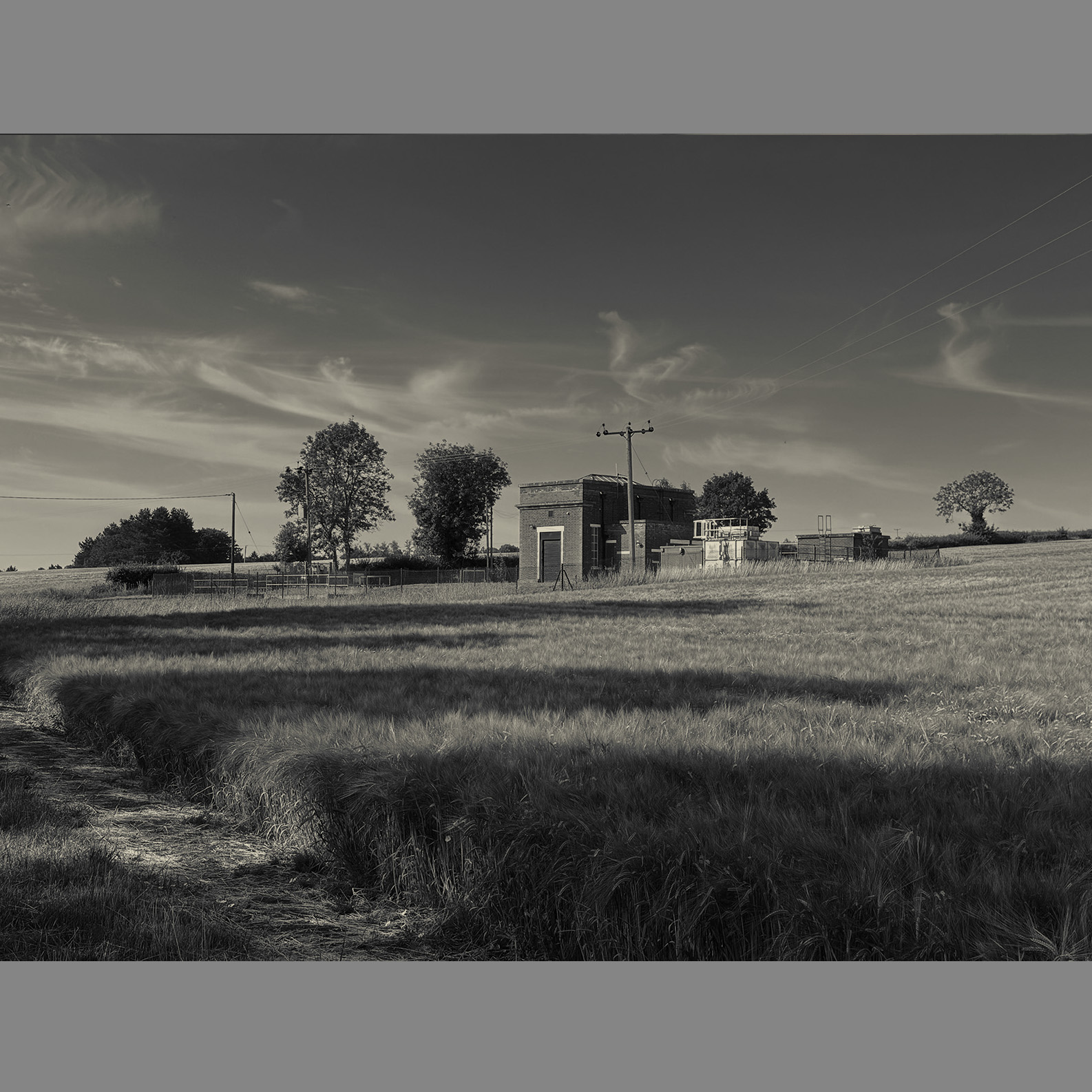
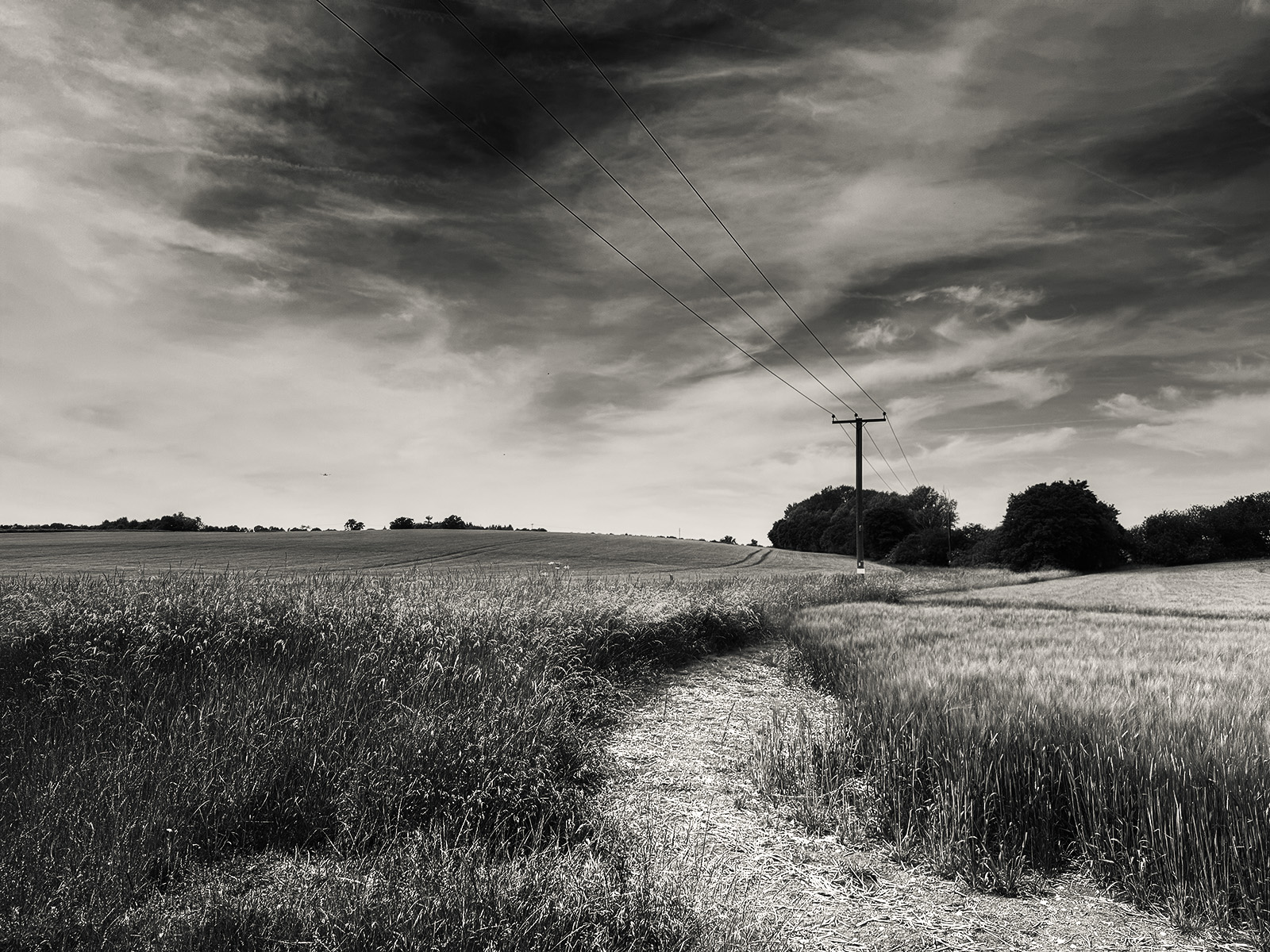
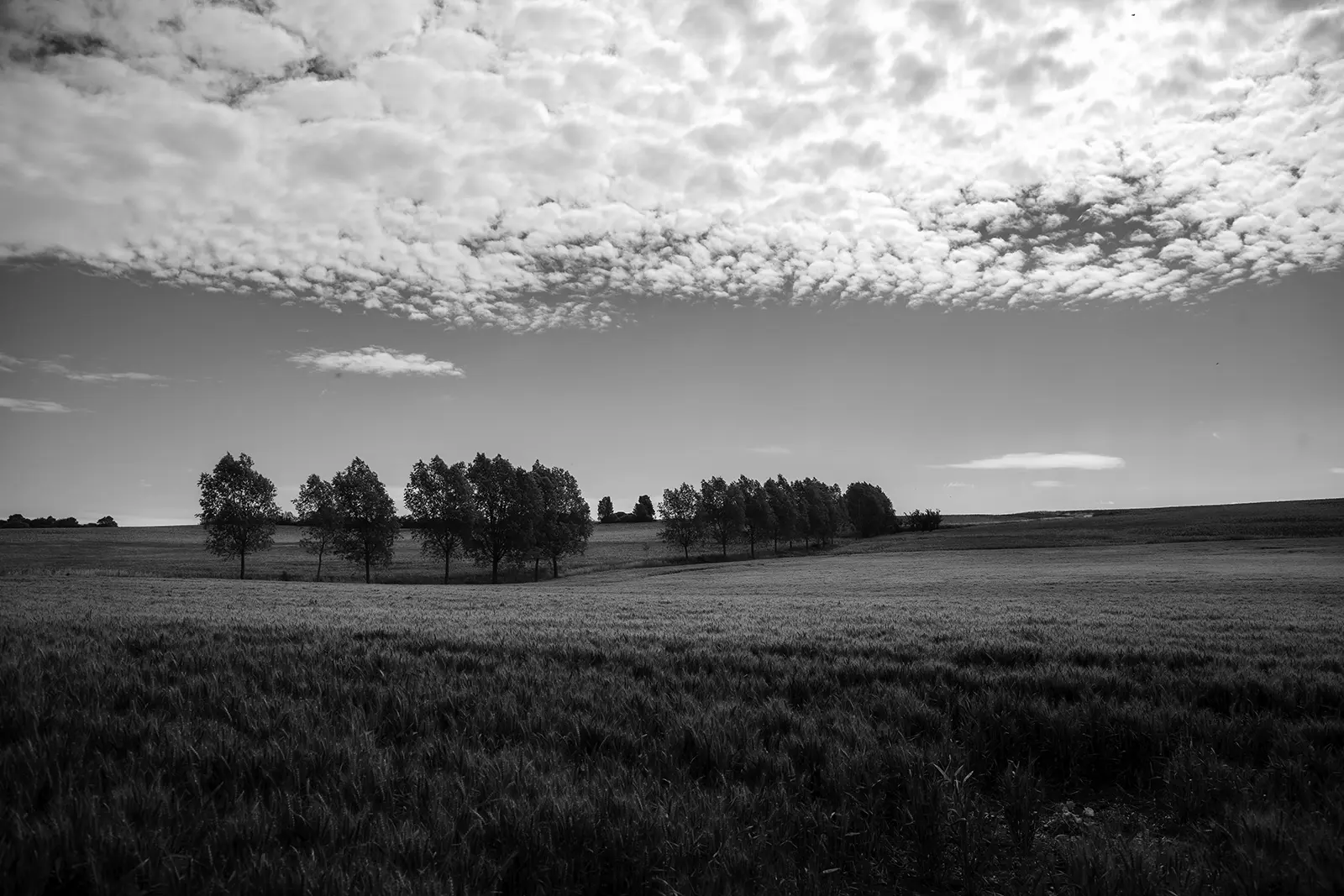
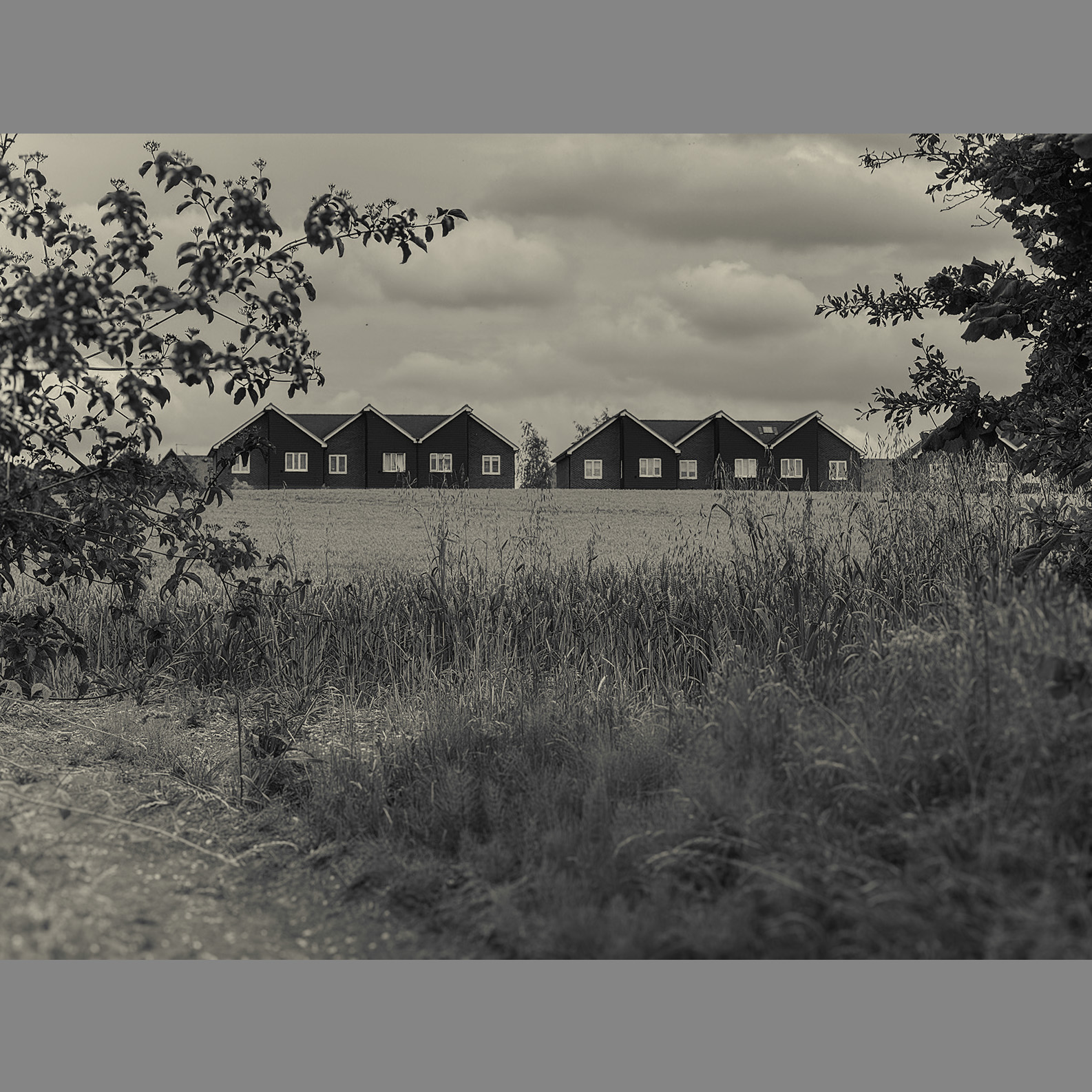
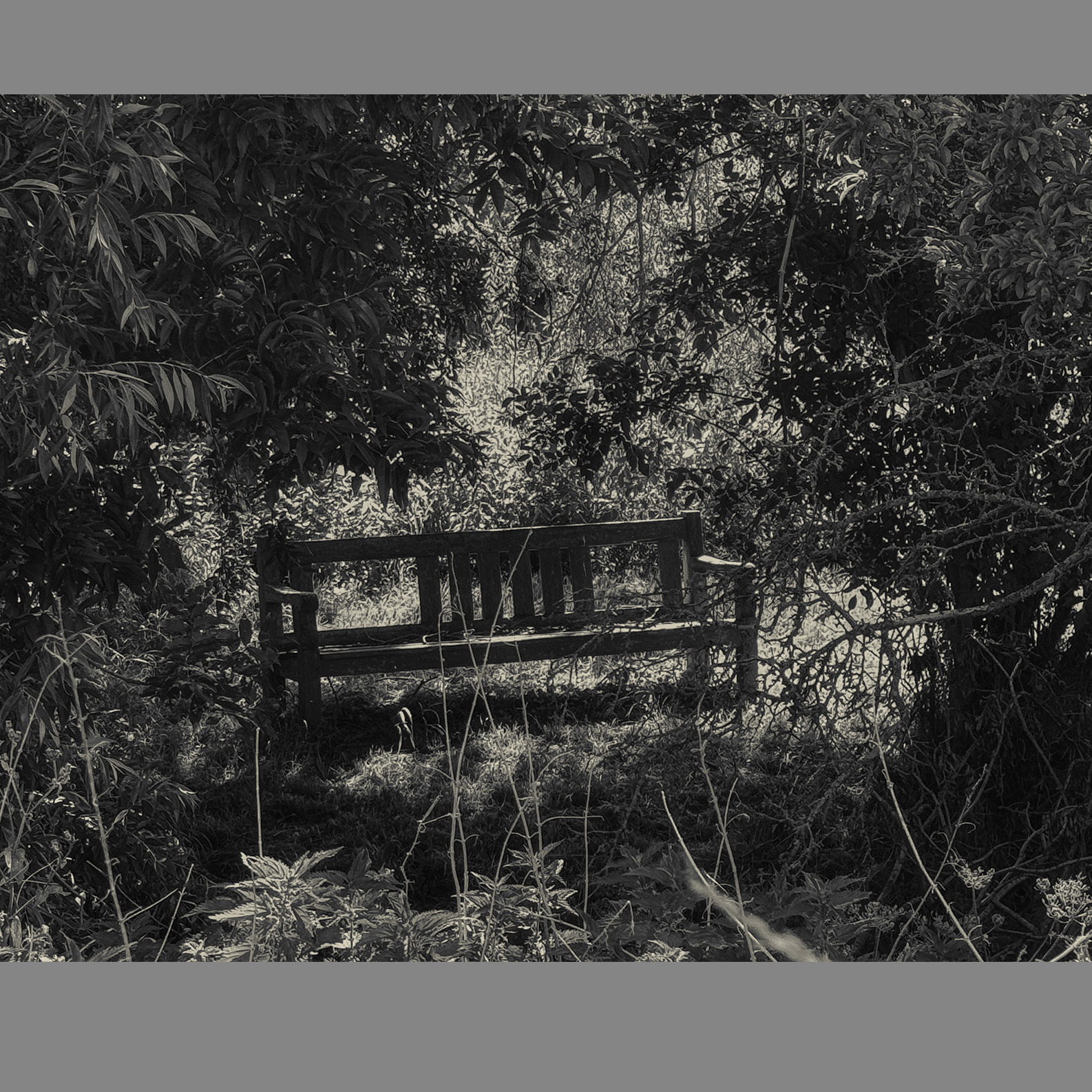
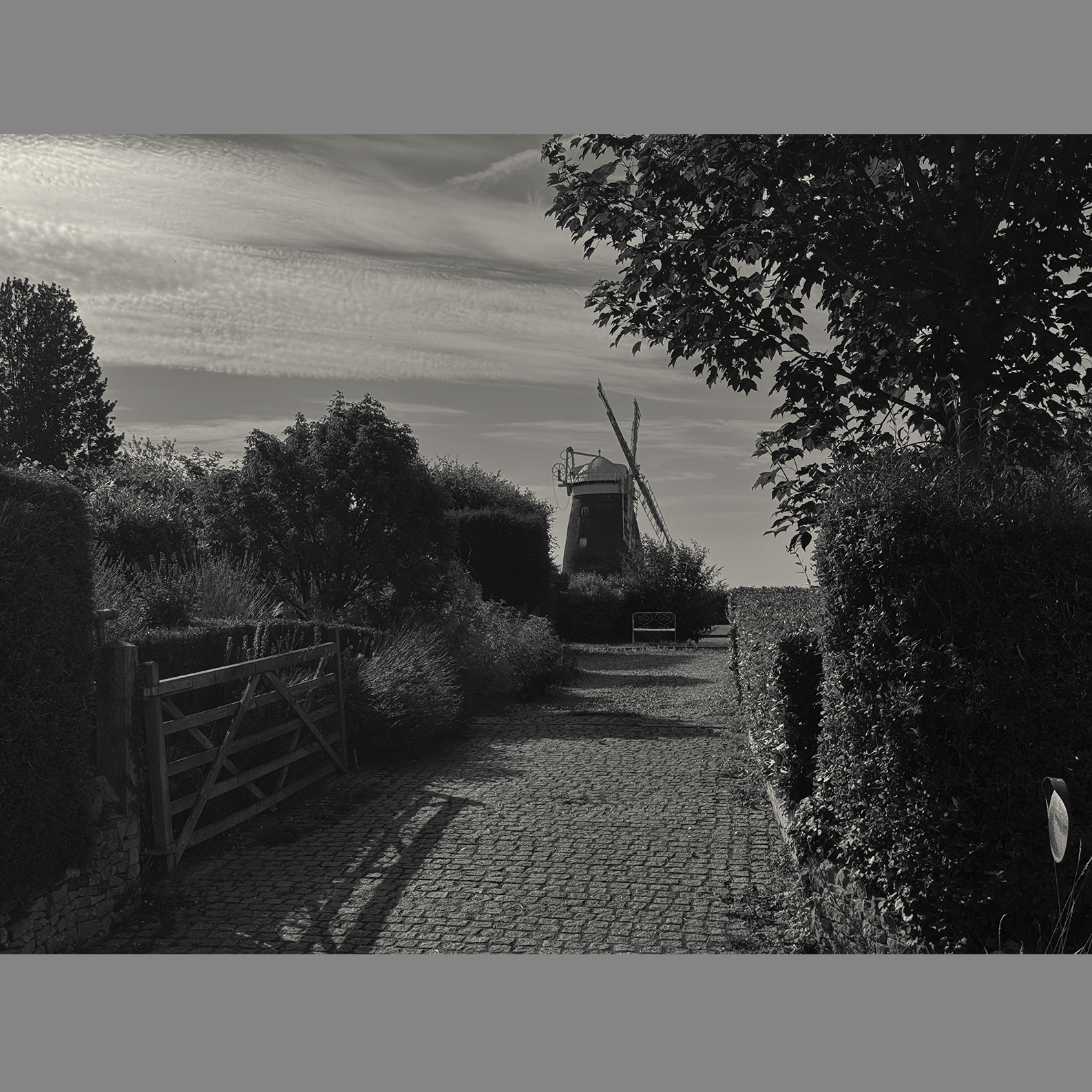
Below are some snaps from my first few days of doing recce’s