Looking Beyond the Water
The river shapes more than its banks.
When I first began walking the River Chelmer, I thought I knew what the project was about.
The idea seemed simple enough. Follow the river from its source to the sea and make photographs along the way.
For a while, that was exactly what I tried to do.
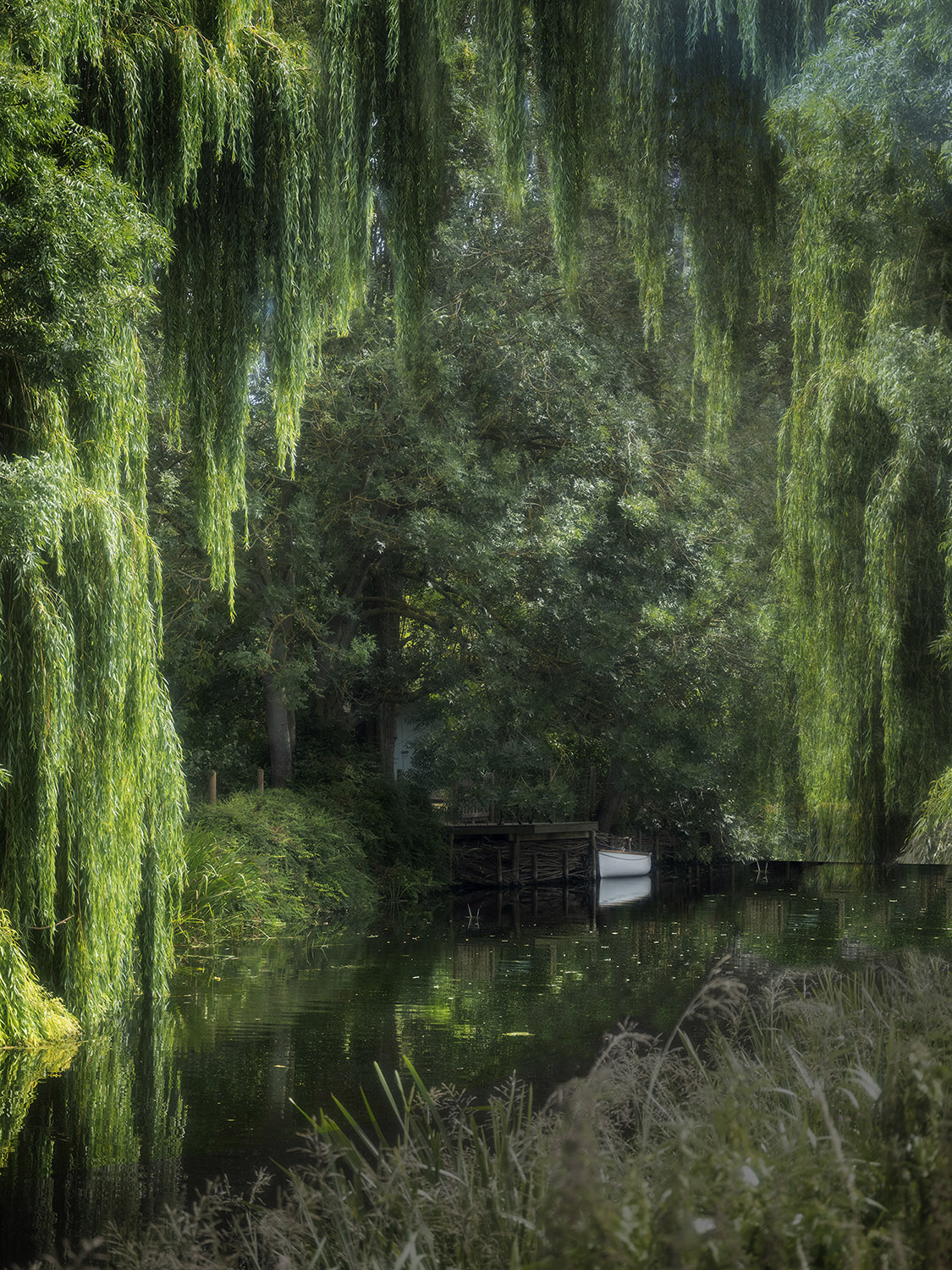
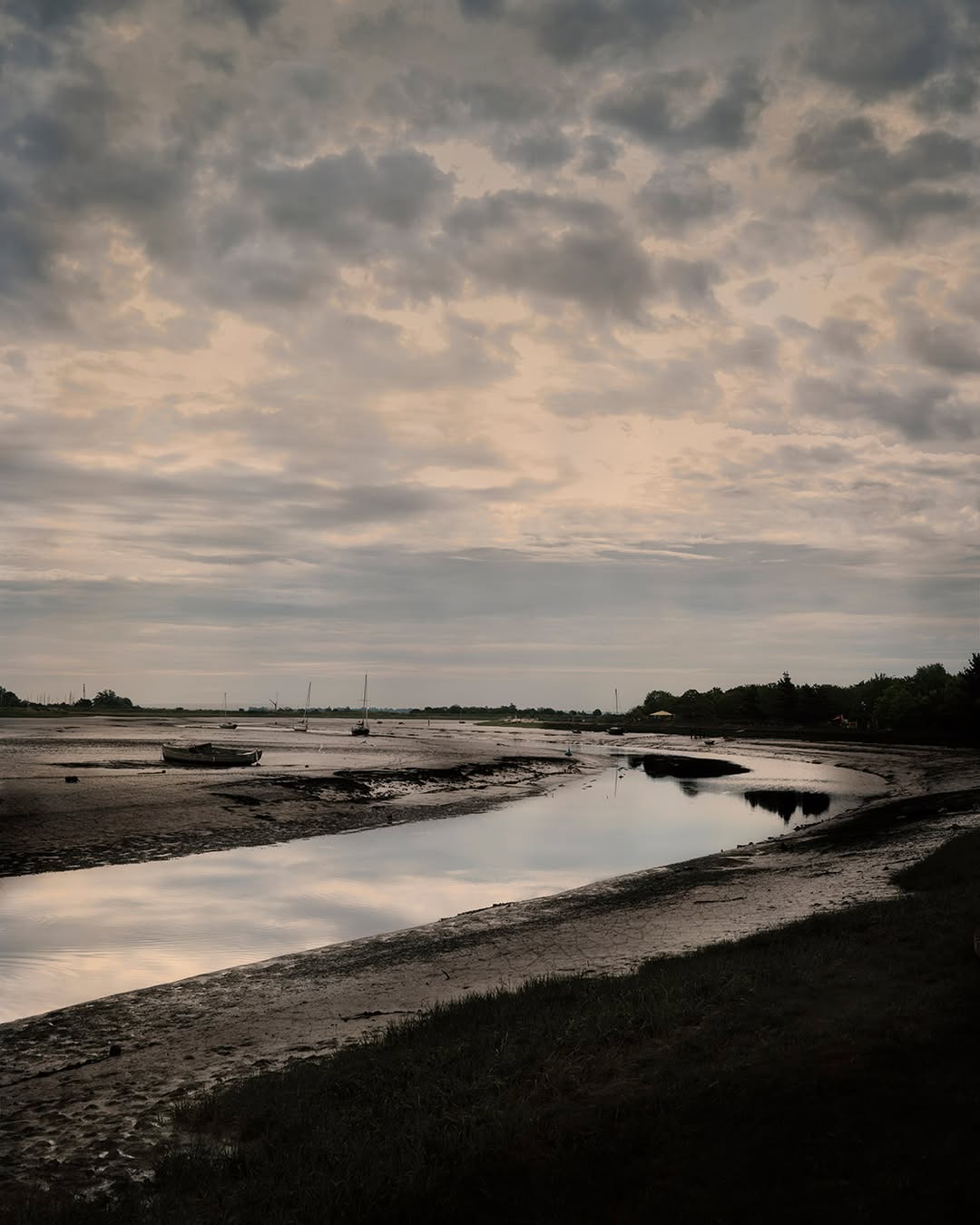
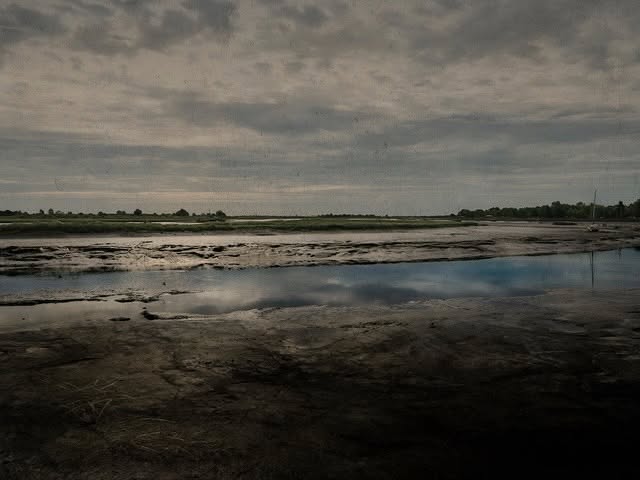
The problem was that I kept coming home wondering if I’d chosen the wrong project. All I seemed to see were green fields, a slow-moving river and a flat Essex landscape. More than once I found myself thinking, I can’t spend the next few years making photographs that all look the same.
Thankfully, I ignored that little voice.
Without really noticing when it happened, I stopped looking for photographs of the river and started paying attention to everything around it.
The old mills that once depended on the water. Lock gates worn smooth by generations of hands. Bridges, pumping stations, weathered timber, reflections, forgotten place names and the countless small details that reveal how deeply a river becomes woven into the landscape over time.
The river hadn’t changed.
The way I was looking had.
The more I walked, the more I realised this project wasn’t simply about documenting a stretch of water. It had become a way of exploring the history, industry and quiet traces that the Chelmer has left behind over centuries.
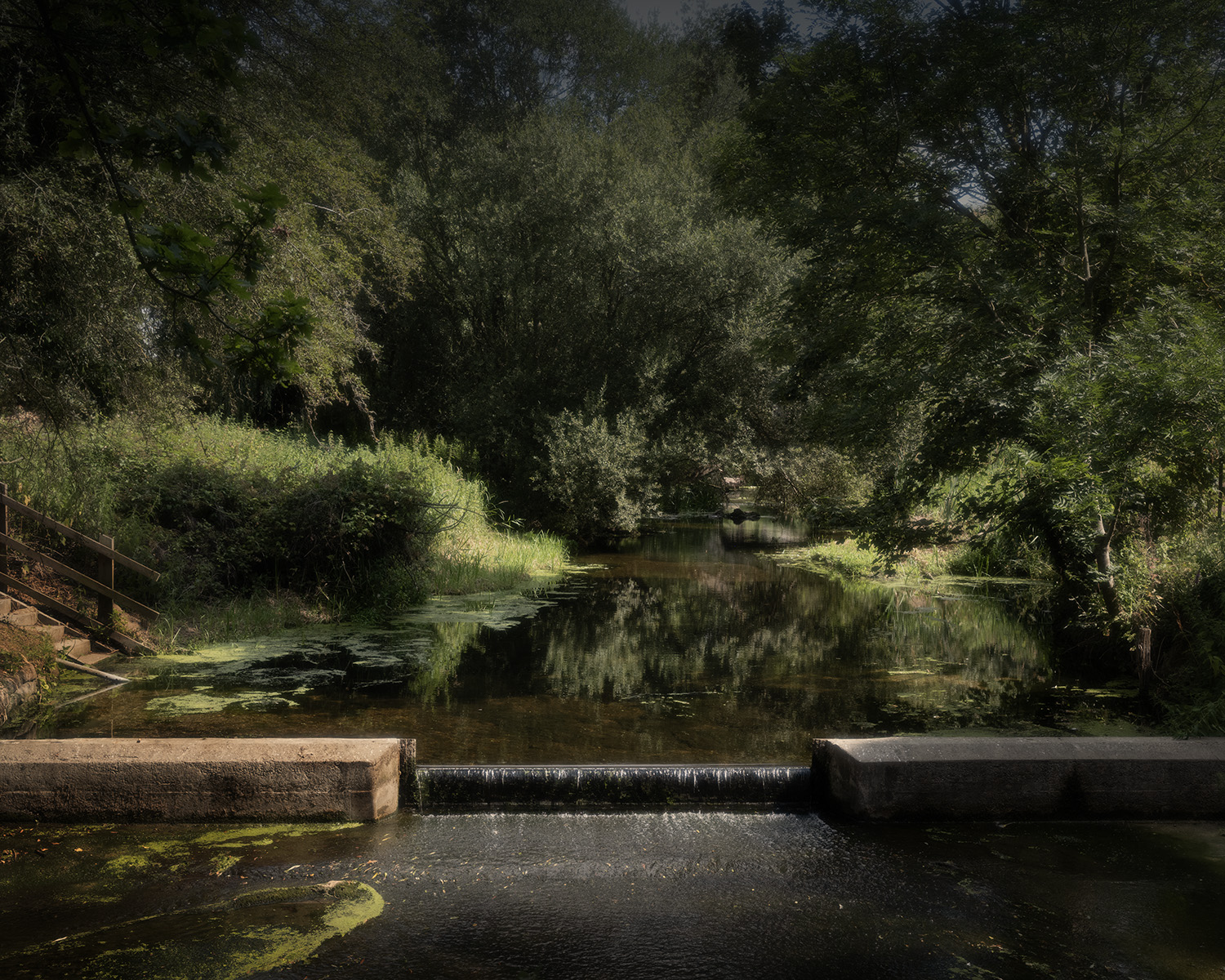
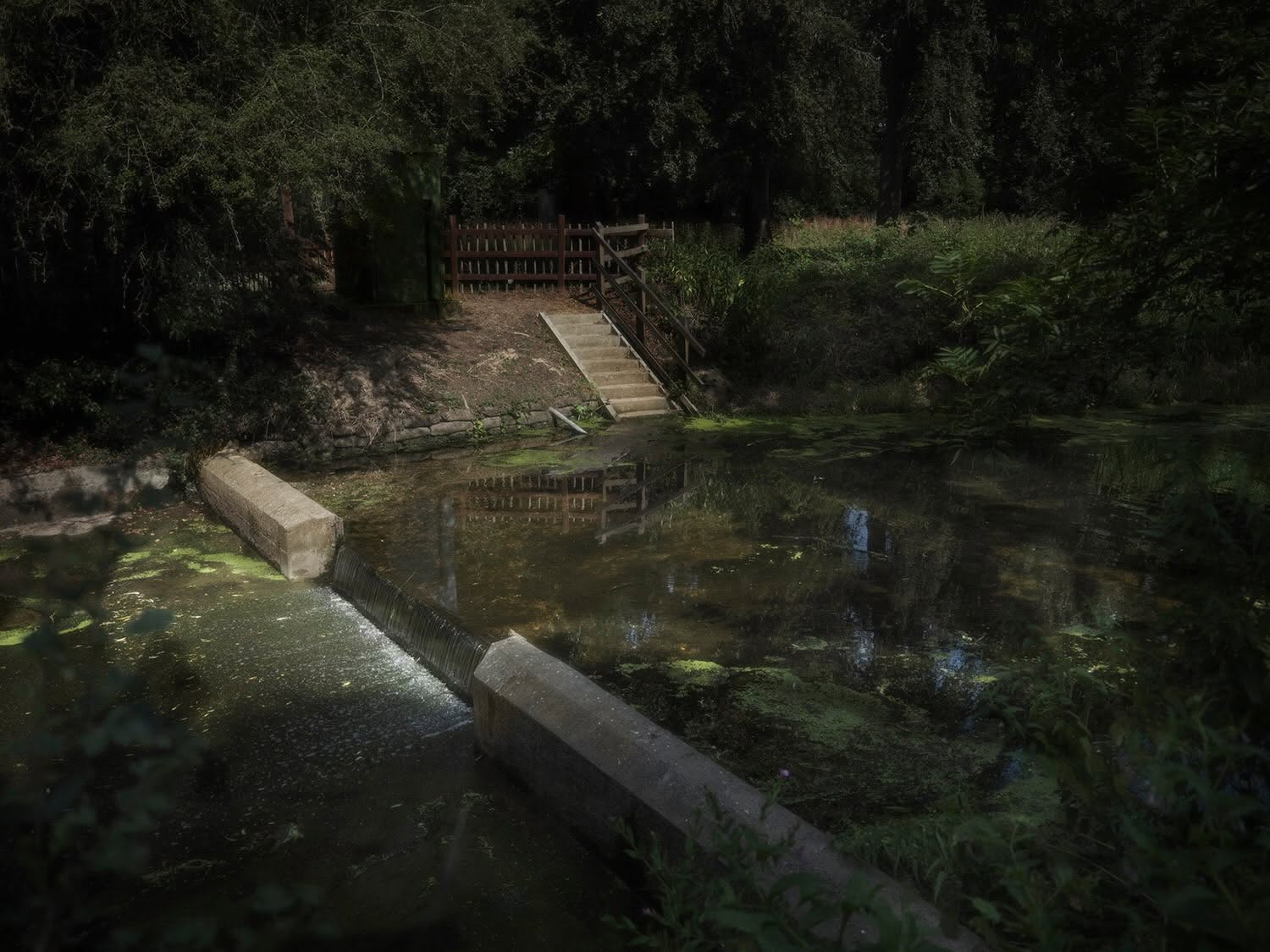
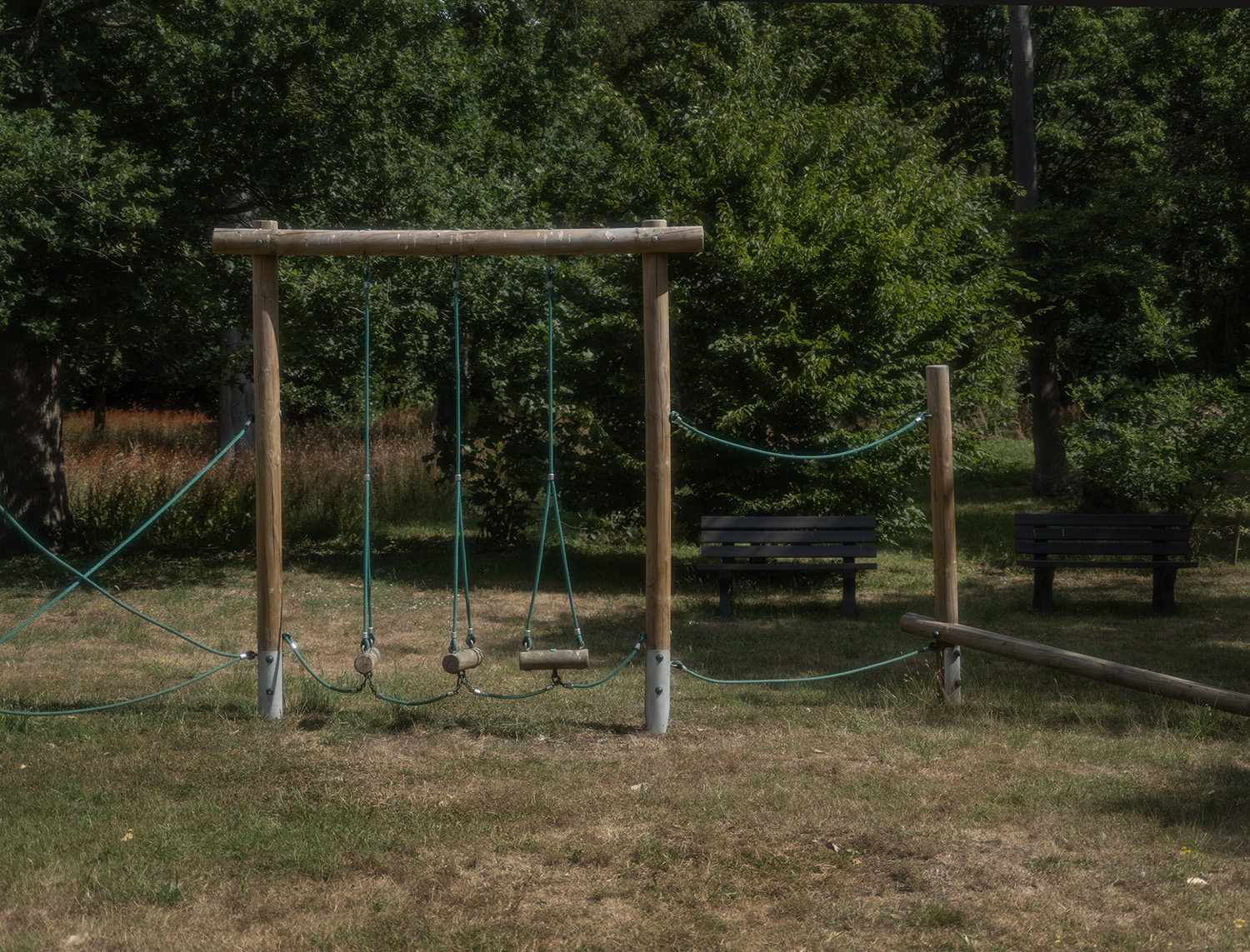
Some of the recent photographs barely show the river at all.
Instead, they explore the marks it has made on the landscape, the structures built because of it, and the stories that still linger long after their original purpose has faded.
Looking back, I don’t think the difficult early months were wasted.
I simply needed to spend enough time with the river before it began to reveal what the project was really about.
And I have a feeling it’s only just beginning.