The River Chelmer project began for a very simple reason. I needed to walk.
After a flight home from Thailand left me with a large area of blood clots in my leg, I had a bit of a fright and knew I needed to start walking regularly. The problem was, I’ve never particularly enjoyed going for a walk simply for the sake of walking.
My friend David George, who is also a photographer, suggested that I give myself a reason to get out. The River Chelmer runs through my village, just at the bottom of my lane, and I have fond memories of walking my dog along its banks. David said, “Why don’t you walk the Chelmer?”
It was such a simple idea.
I decided I would find the source of the river and follow it as far as I could, taking my camera with me.
At the beginning, that was really all there was to it. I had no particular interest in photographing rivers and no idea what the project might become.
So I started walking.
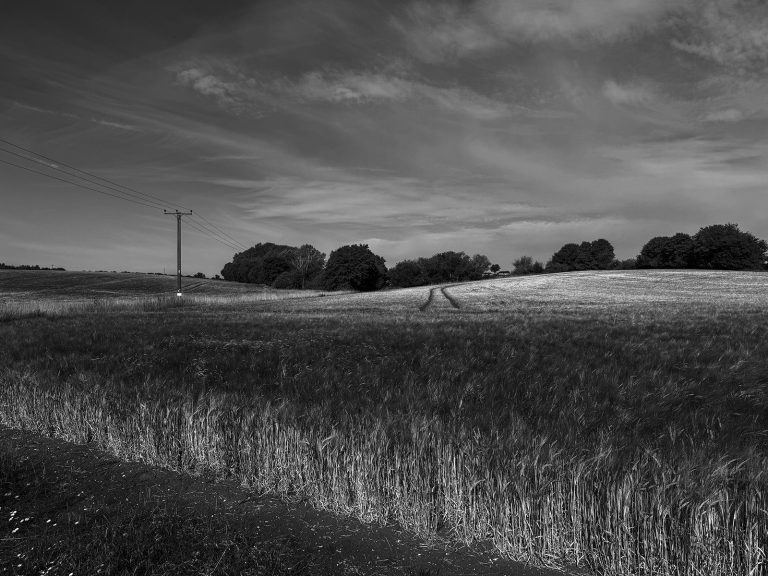
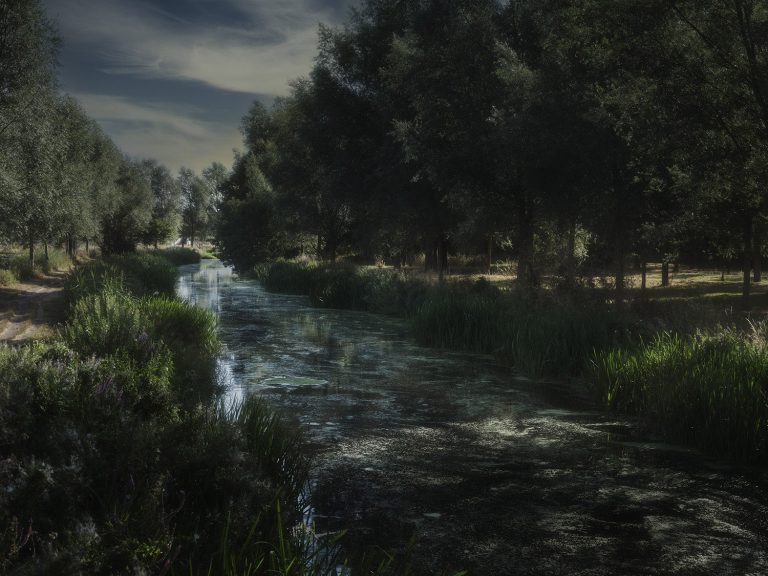
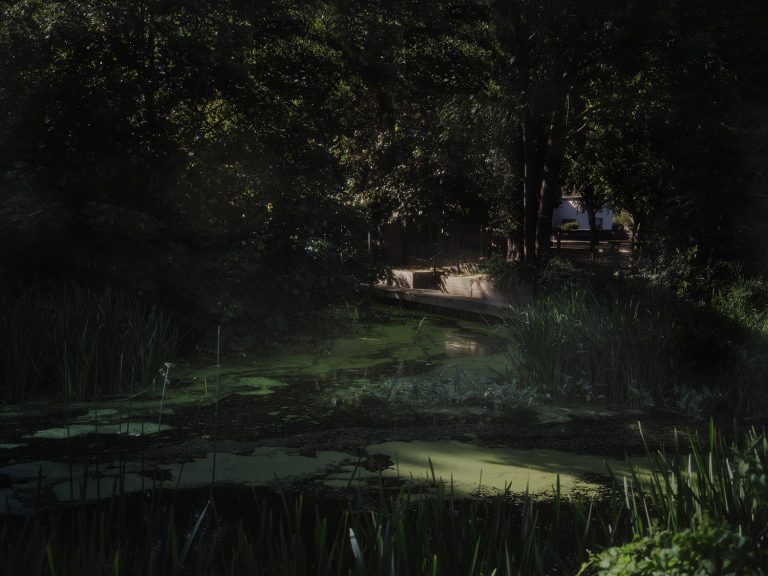
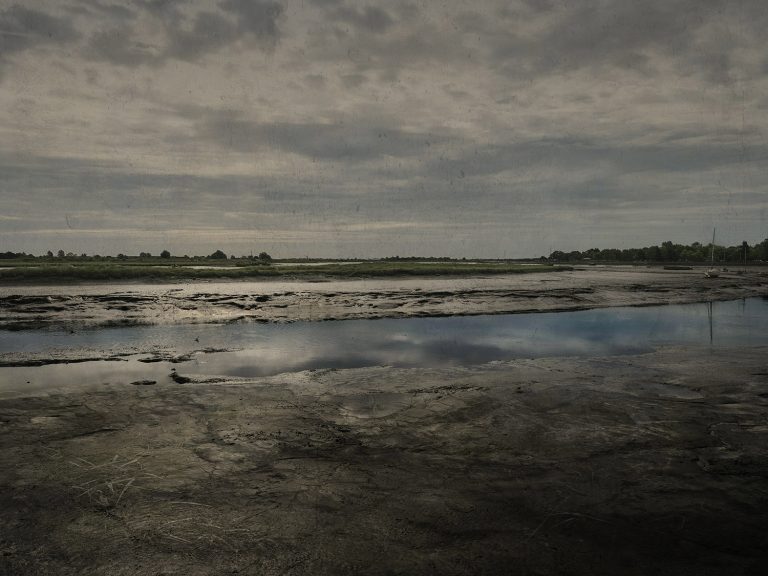
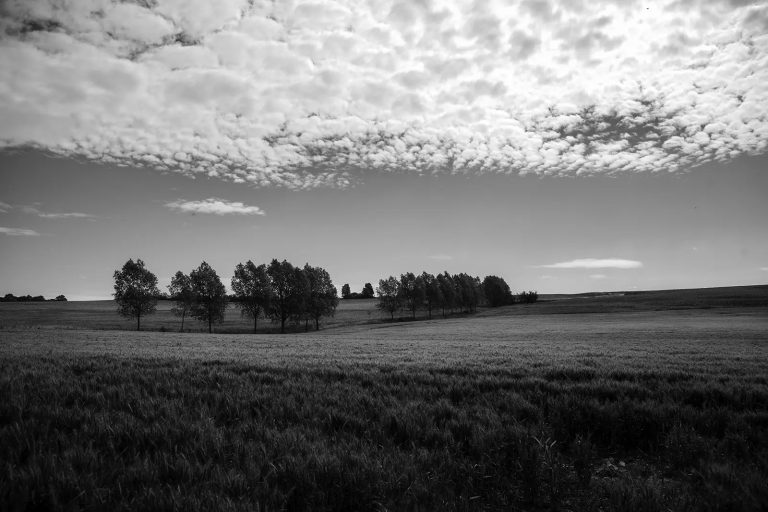
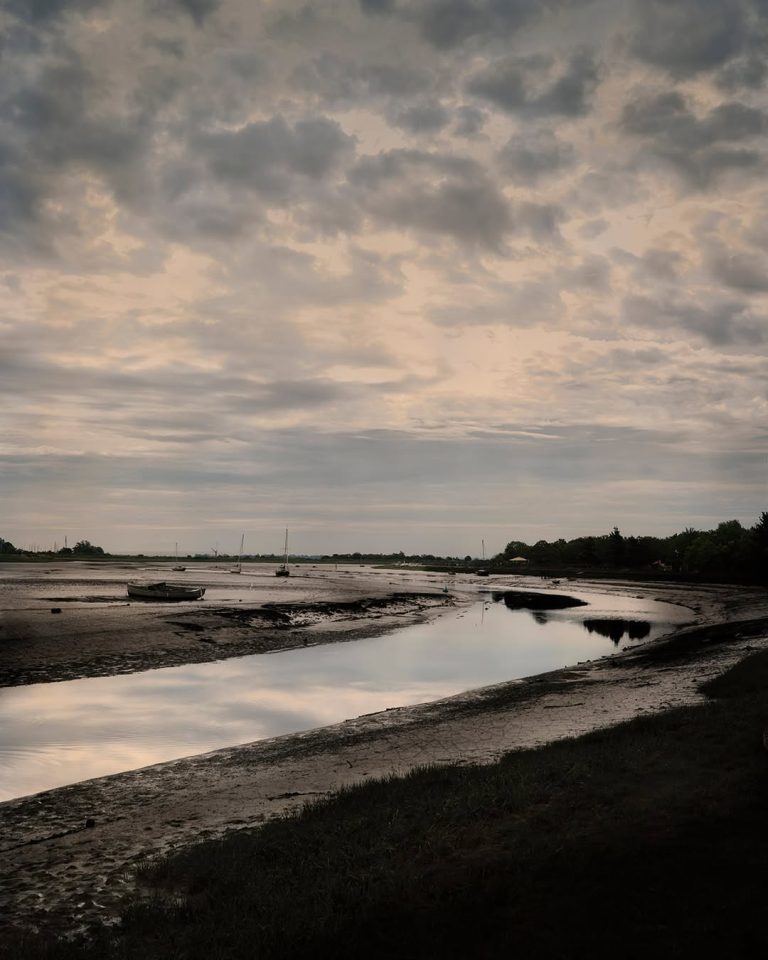
For much of the first year, I wasn’t even convinced there was a project. All I seemed to encounter were green fields, flat Essex countryside and a slow-moving river. I remember thinking that I couldn’t spend the next few years making fifty photographs that all looked the same.
But I kept walking.
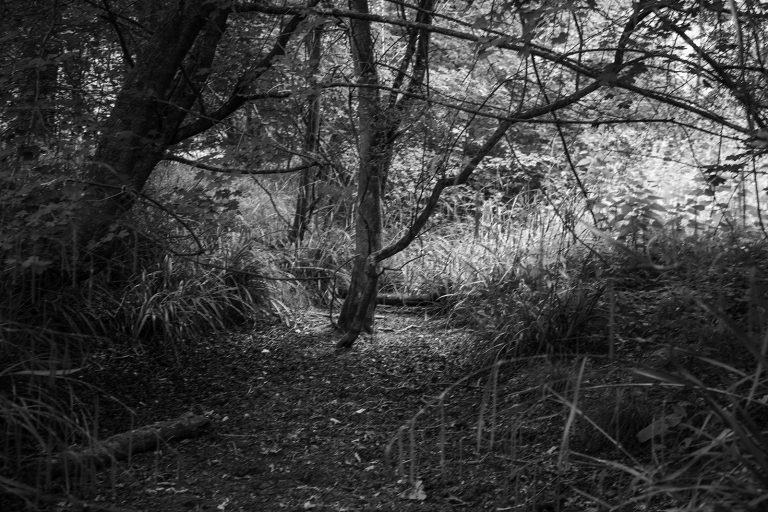
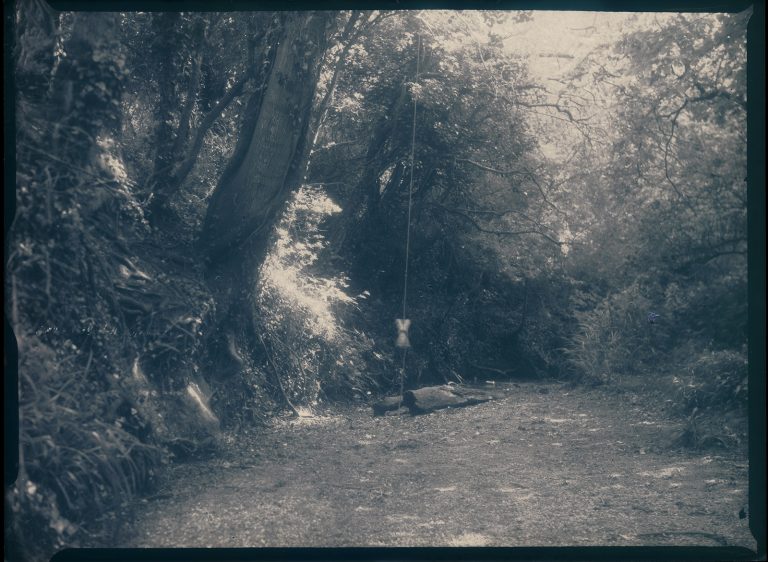
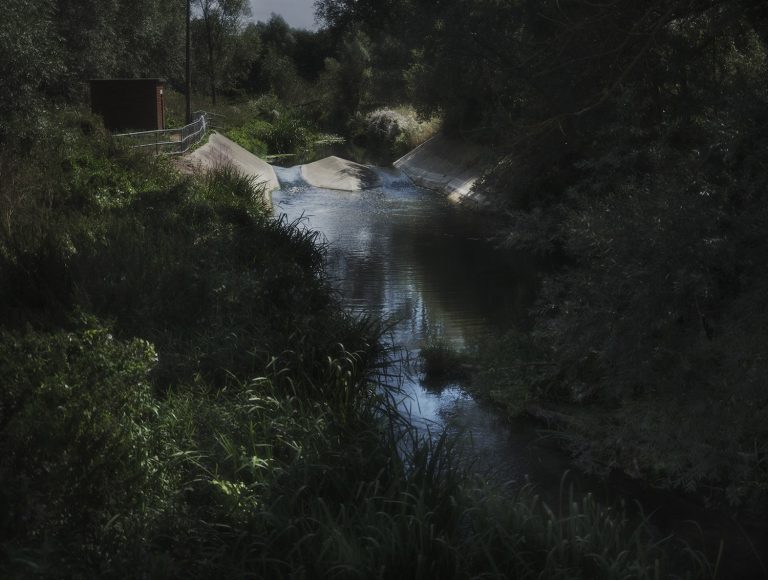
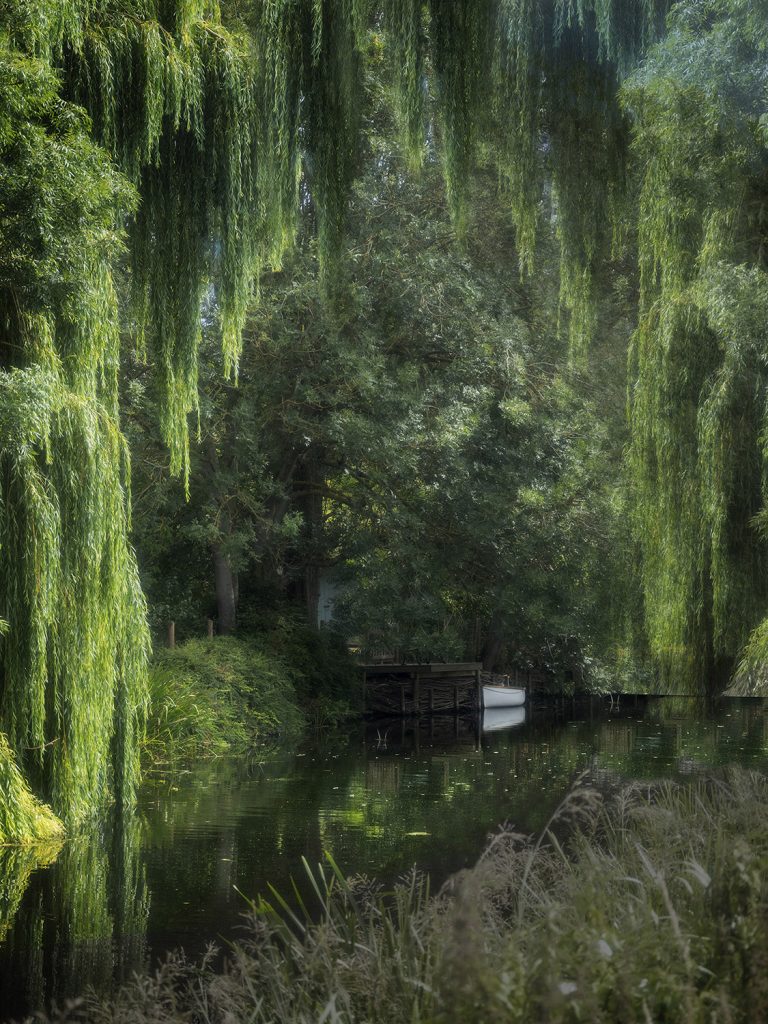
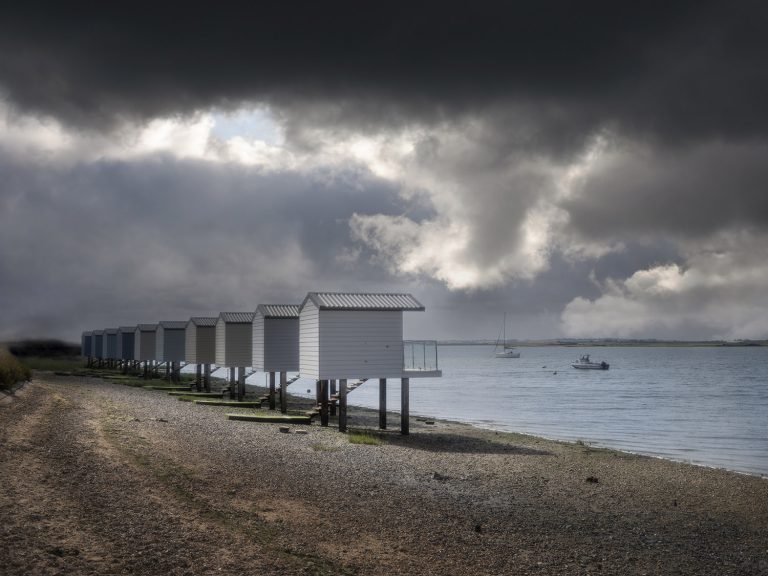
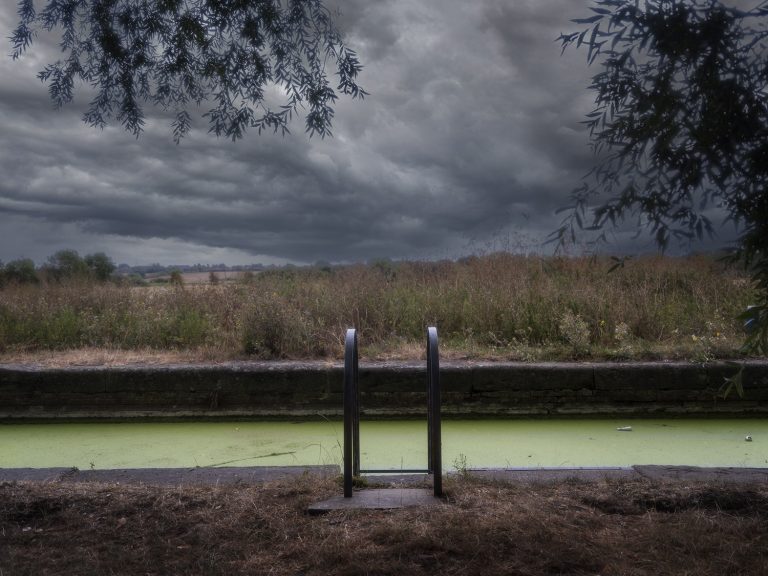
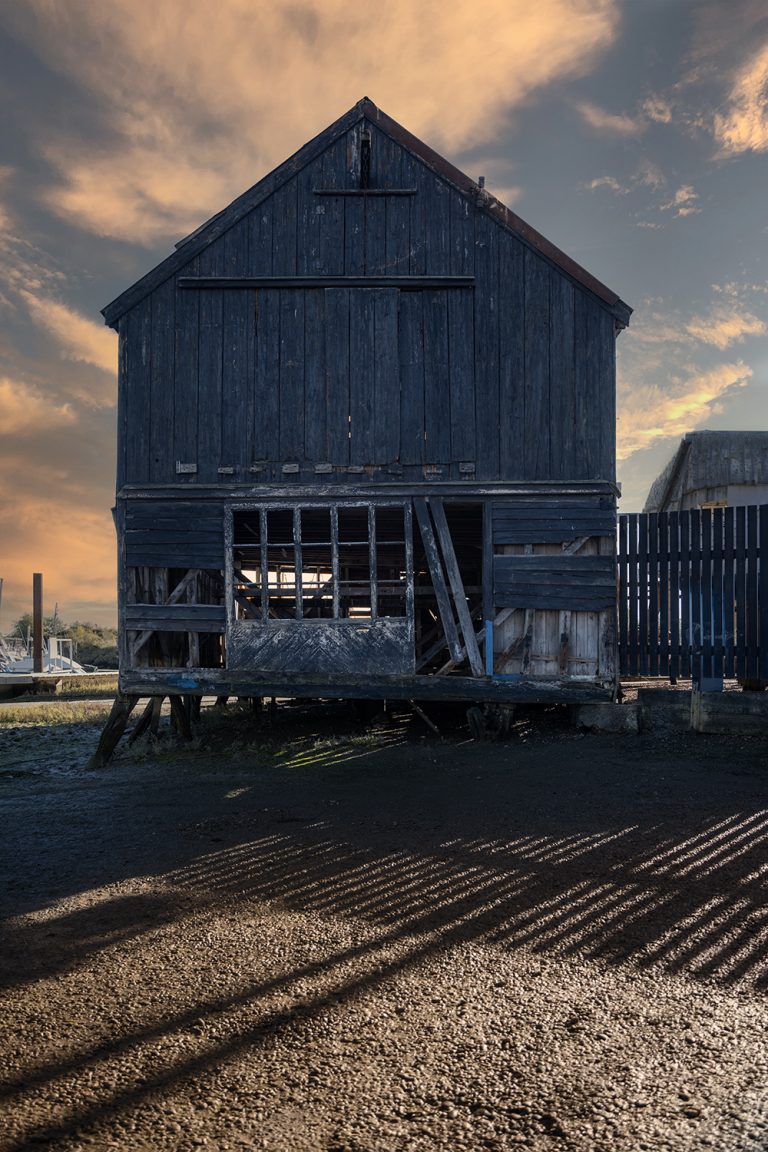
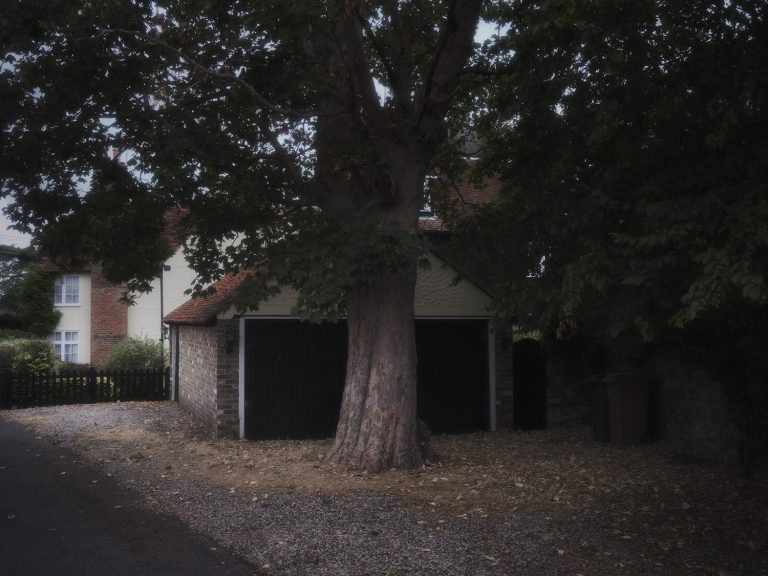
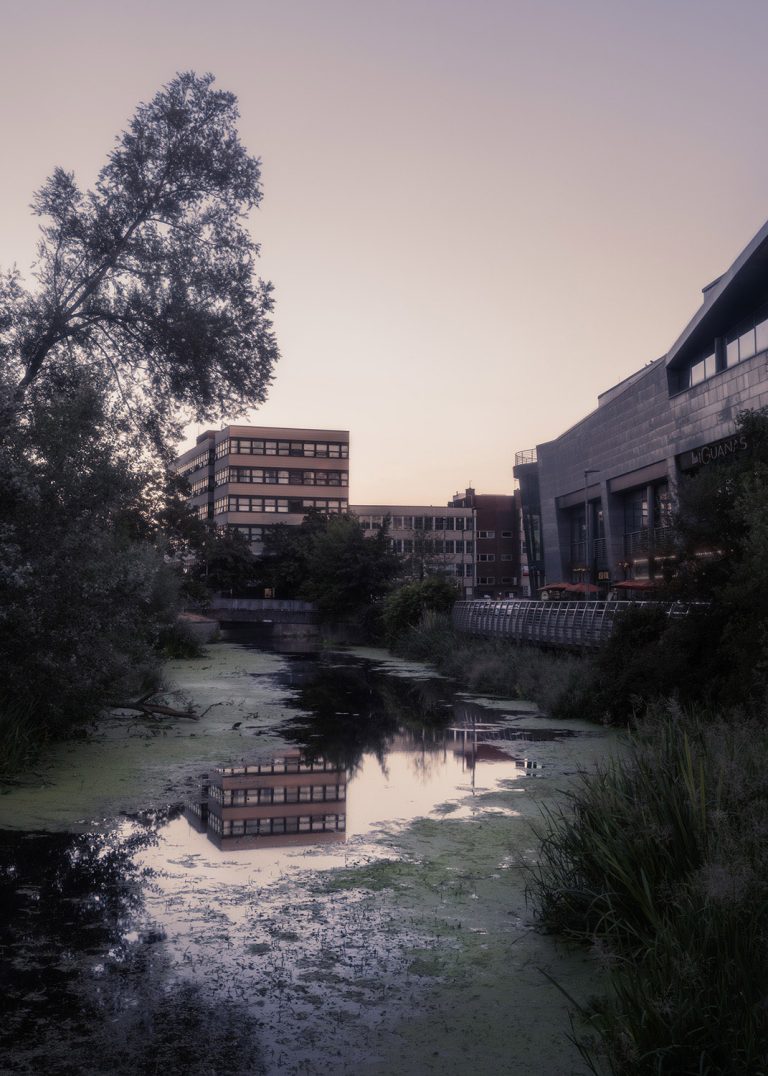
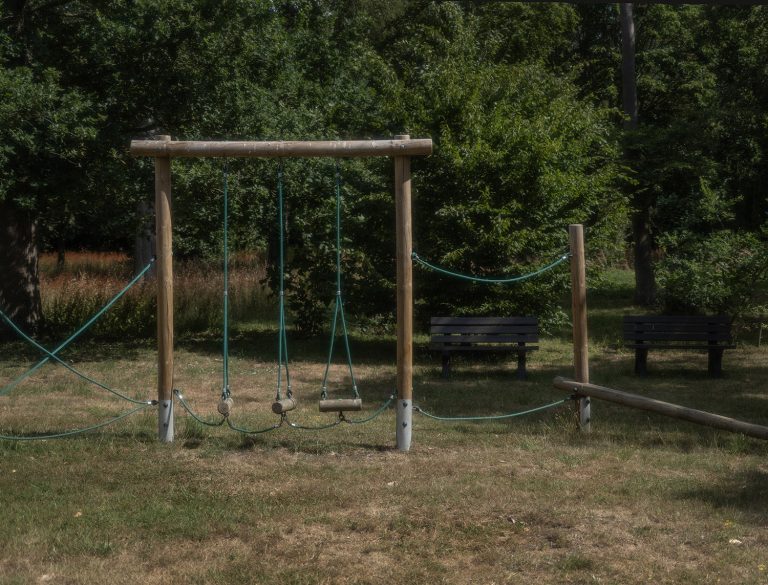
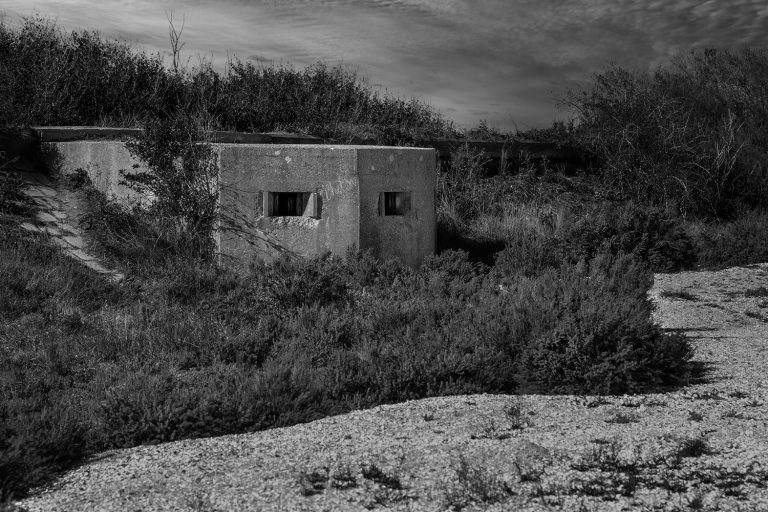
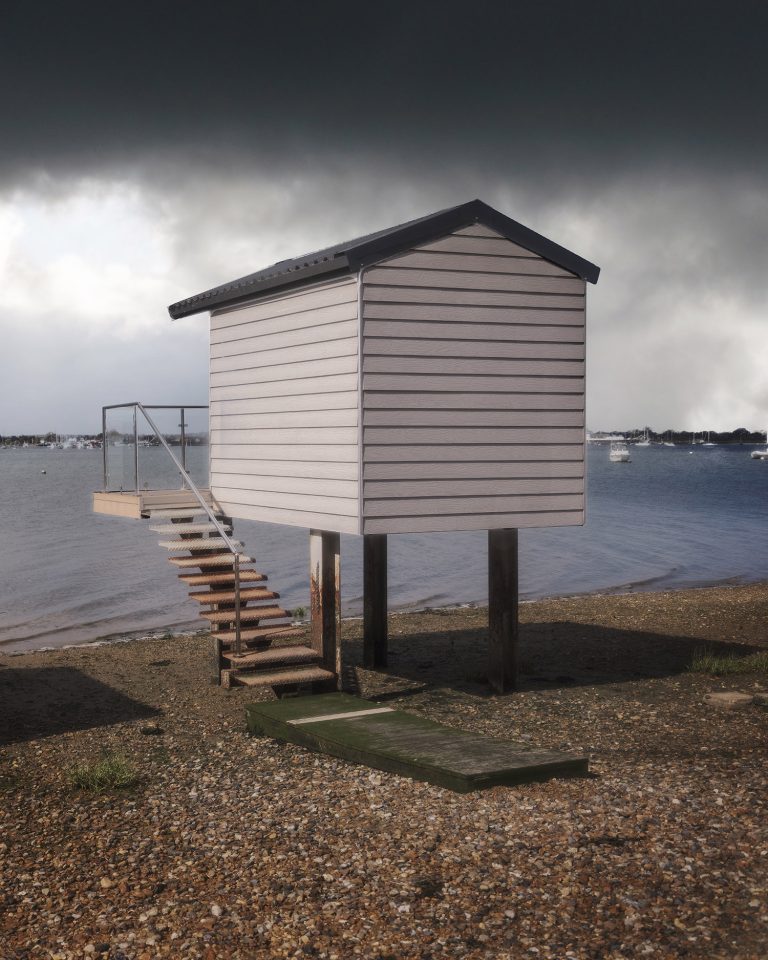
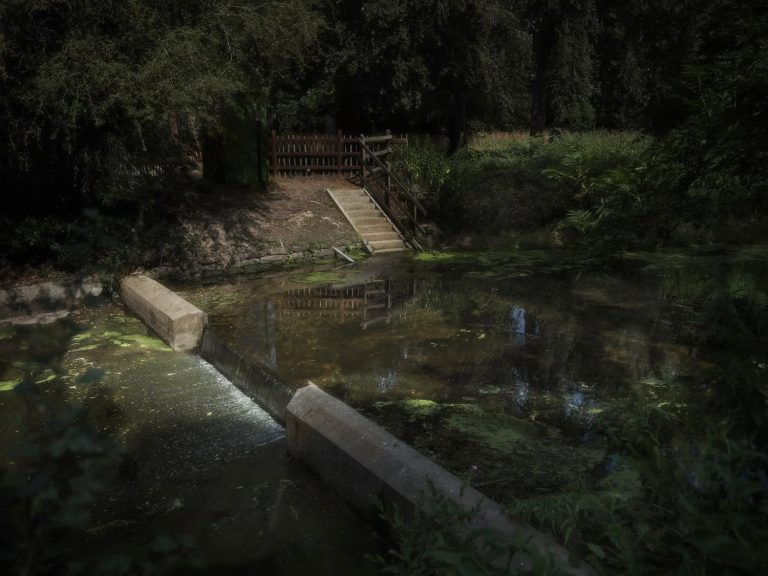
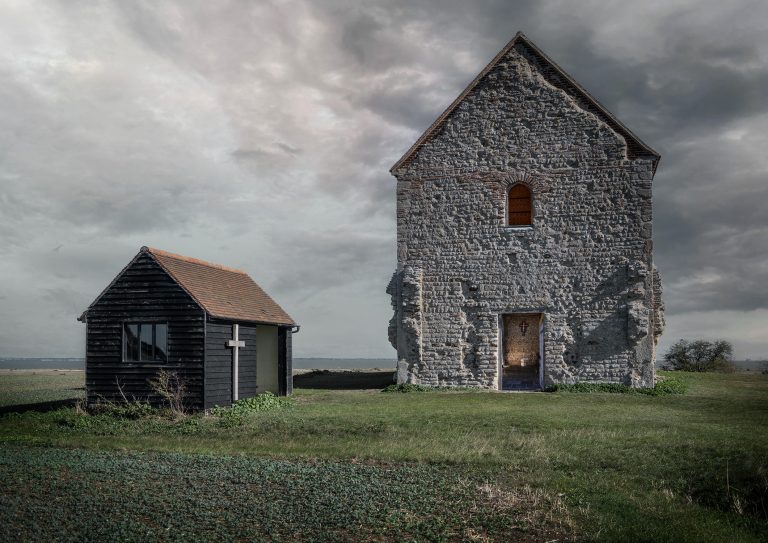
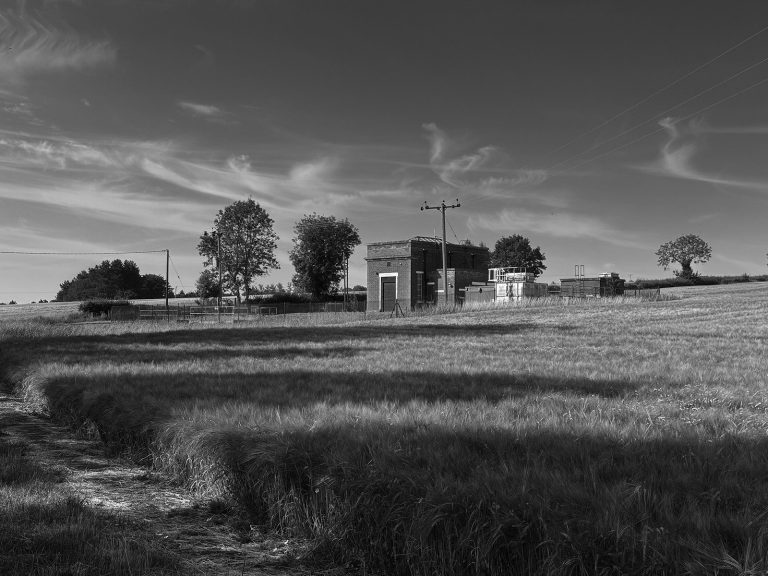
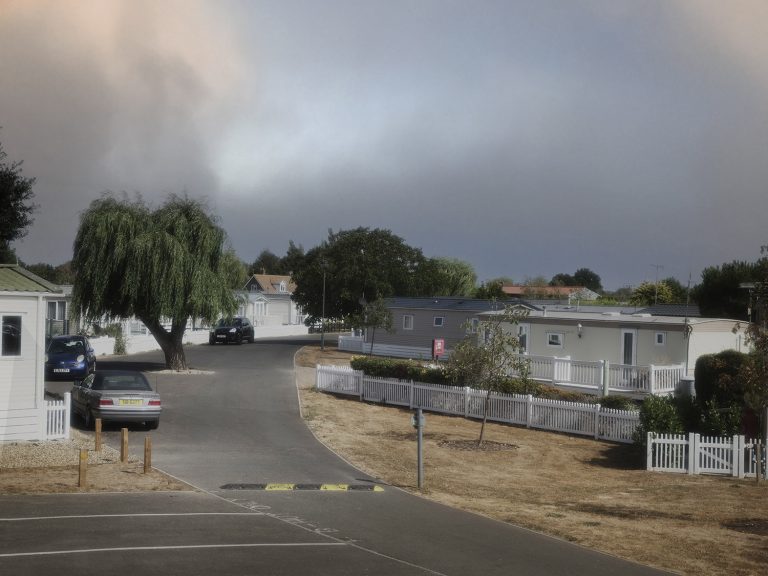
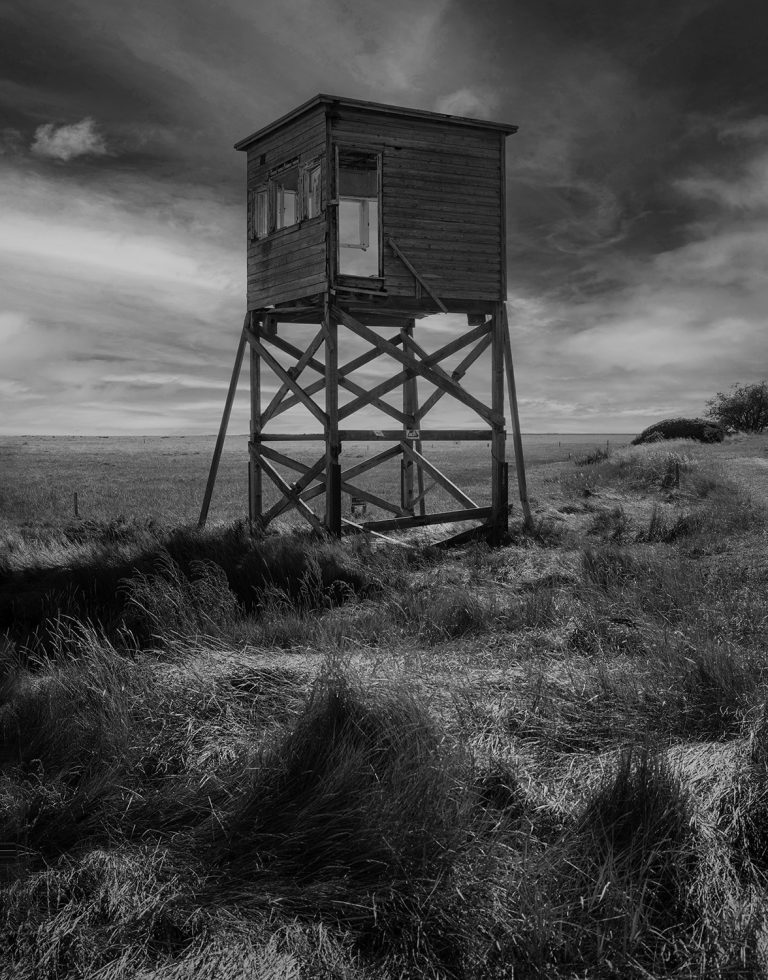
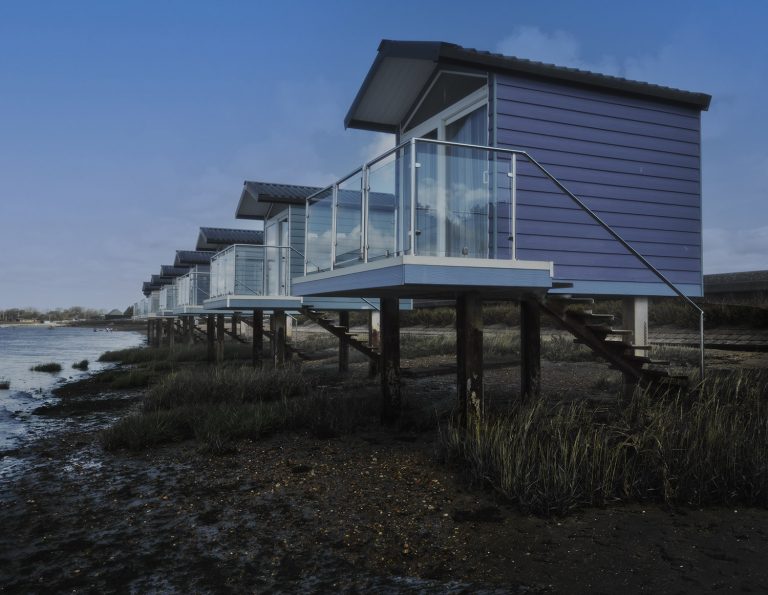
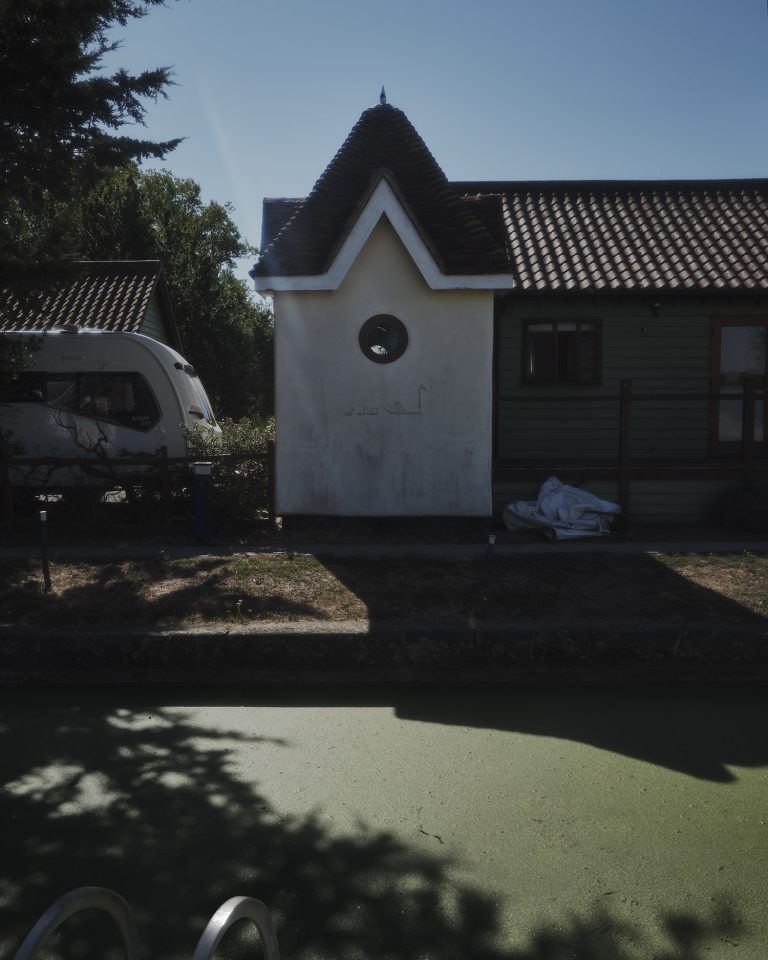
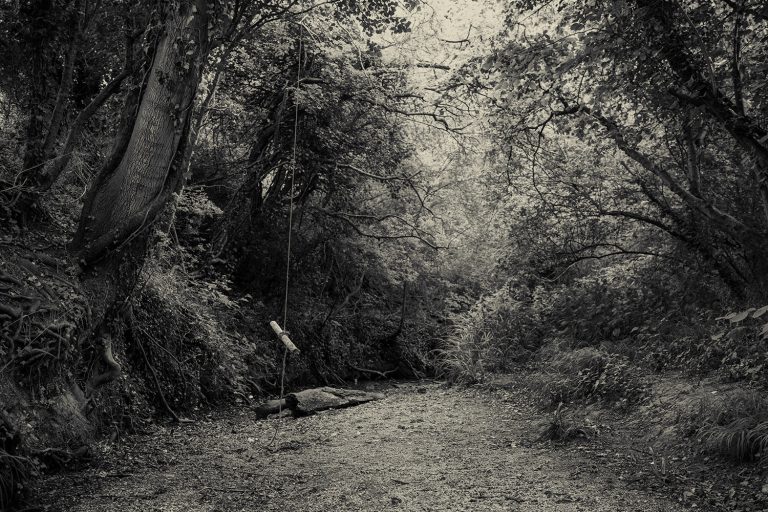
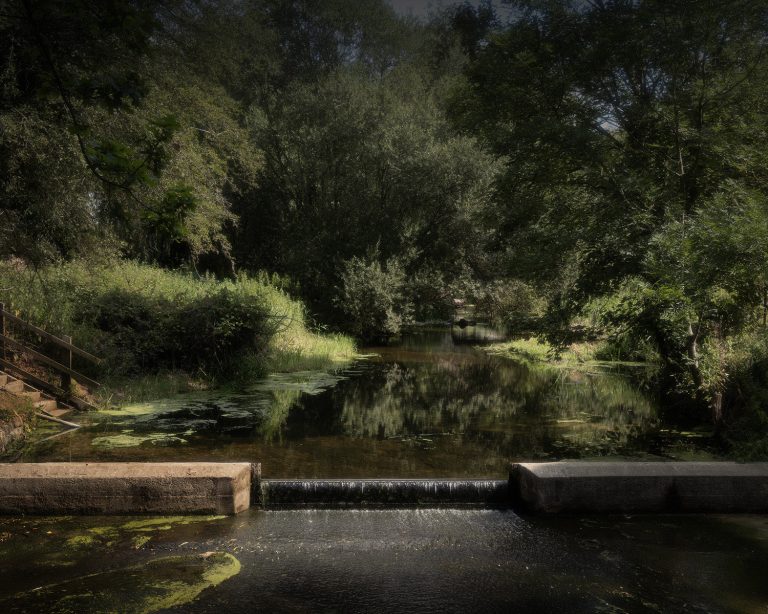
Gradually, I stopped looking for photographs of the river and began paying attention to everything around it: the locks and mills, pumping stations and concrete structures, towns and fields, paths, objects and traces of the people who have lived beside it, crossed it, redirected it and tried to contain it.
I hadn’t chosen the wrong river. I had chosen the wrong expectation.
The camera has become only the beginning. As I walk, I collect things from the places I encounter — plants, earth, water and other materials that I bring back to the studio. They might be used to tone a cyanotype, become pigment, or physically become part of the finished work. Other photographs may remain simply photographs.
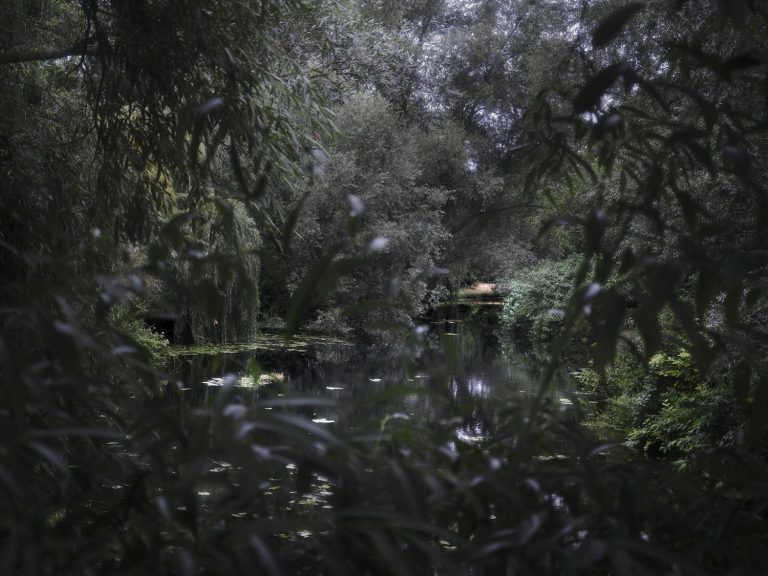
I’m not trying to make a conventional photographic record of the River Chelmer. I’m interested in what happens through repeatedly walking the same river, paying attention to it, and allowing each encounter to suggest what the finished work might become.
What began as a reason to walk has become a way of looking.
The project is ongoing.
I’m still walking.