
Airport X-Rays and Film: Why Your Negatives Get Fogged (and How to Avoid It) /
Airport X-rays can fog film — something that catches people out more often than you’d think.
You shoot a roll of film, develop it… and everything looks slightly off. Flat. Lacking contrast.
Recently, someone came to a workshop with exactly this issue — and the cause was simple.
Airport X-rays.
What X-Ray Fogging Looks Like
Fogged film often appears:
- Low contrast
- Grey or milky across the frame
- Lacking depth in the blacks
It can affect the entire roll, not just individual frames.
How to Tell if Your Film Has Been Fogged by X-Rays
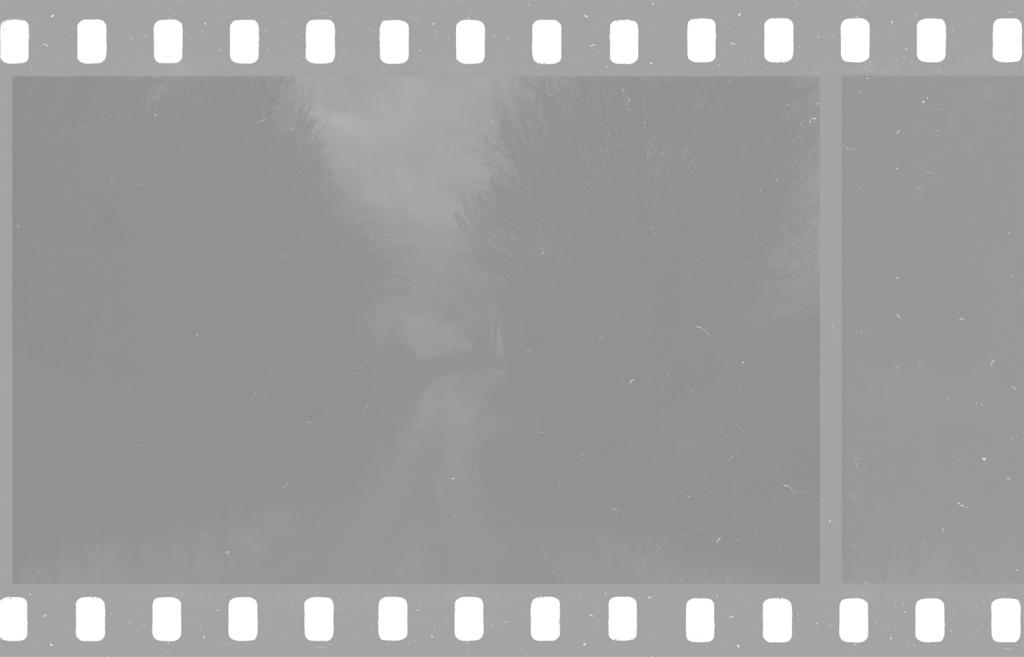
One of the clearest signs of X-ray damage is how the base of the film looks, not just the image itself.
35mm Film
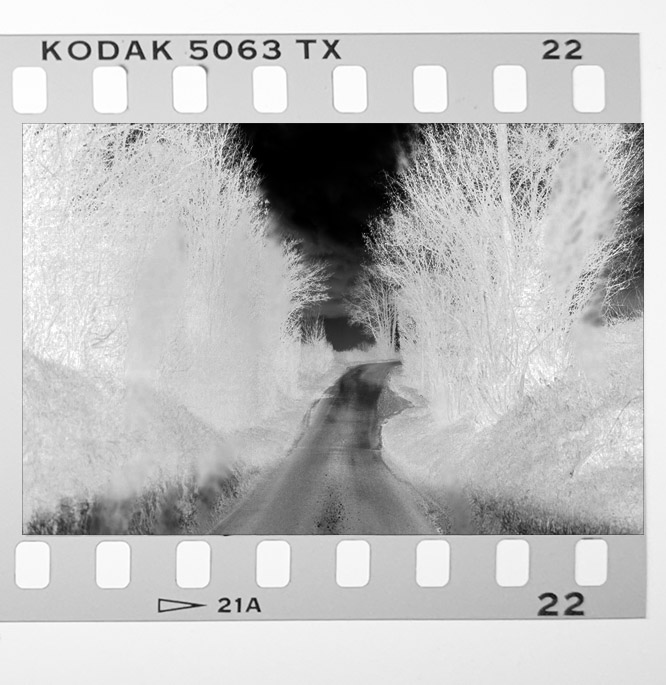
With 35mm, look closely at the edges of the negative:
- The areas around the sprocket holes should normally be clear or nearly transparent
- If the film has been fogged, these areas often appear grey or similar in tone to the image itself
- The entire strip can feel slightly “milky” rather than clean and crisp
This is often the first indication that the film has been affected before development, rather than an issue with exposure or chemistry.
120 Roll Film
With 120 film, the signs can be slightly different:
- You may see numbers or markings from the backing paper appearing across the image area
- These are usually faint, but clearly shouldn’t be there
- The overall negative can also appear flatter, with reduced contrast
This happens because the radiation can partially expose the film through the backing paper, effectively imprinting it onto the image.
Why It Happens
Film is light-sensitive — that’s the point.
Airport scanners, especially newer CT scanners, expose film to radiation that can partially expose it before you even shoot or develop it.
Higher ISO films are even more vulnerable.
Hand Luggage vs Checked Bags
- Checked luggage scanners are stronger → higher risk
- Carry-on scanners are safer → but still not risk-free with modern systems
How to Protect Your Film
- Request a hand check where possible
- Keep film in carry-on, not checked baggage
- Avoid repeated scanning
- Be cautious with high ISO film (800 and above)
Lead bags exist, but they’re not always reliable — sometimes they trigger stronger scans.
Can Fogged Film Be Saved?
Sometimes, partially.
Contrast can be adjusted in scanning or printing, but fully fogged film often loses depth permanently.
Learning Through Mistakes
It’s frustrating — especially when it’s a full roll.
But it’s also part of learning the material nature of film.
These things matter. The process matters.
These are the kinds of details that are easy to miss at first — but once you’ve seen it, you recognise it immediately.
In my analogue workshops, we cover not just how to shoot and develop film, but how to avoid issues like this — understanding the material from start to finish.